Understanding Agriculture Department Functions

Understanding Agriculture Department Functions

Did you know that the USDA encompasses a range of programs that not only shape agricultural policies but also impact the food you eat every day? Understanding its roles can empower you to make informed choices about the food system and agricultural practices in America.

What You Will Learn

  • The USDA ensures a safe, sufficient, and nutritious food supply for all Americans.
  • Key divisions of the USDA, such as the Food and Nutrition Service and the Farm Service Agency, focus on nutrition access and farmer support, respectively.
  • Important mission areas of the USDA include food safety, agricultural research, and trade policy, crucial for protecting both consumers and farmers.
  • The Farm Bill is a significant piece of legislation that influences various agricultural policies, from food assistance programs to crop insurance.
  • Exploring USDA resources can provide valuable insights and support for understanding agricultural practices and food safety.

USDA's Core Functions and Farmer Support

The United States Department of Agriculture (USDA) plays a crucial role in American agriculture, encompassing key mission areas, legislative frameworks, and vital farmer resources. The following outlines its primary functions and how it supports the agricultural community.

Primary Focus USDA Key Mission Areas

  • Food Safety: Ensuring high safety standards.
  • Agricultural Research: Supporting innovation.
  • Trade Policies: Promoting fair practices.

Legislative Framework Farm Bill Insights & Components

  • Nutrition Assistance: Programs like SNAP.
  • Crop Insurance: Risk management for farmers.
  • Conservation Programs: Sustainable practices.

Farmer Resources Accessing USDA Grants & Loans

  • Rural Development: Explore grant programs.
  • FSA Loans: Secure funding for operations.
  • Local Offices: Personalized assistance & guidance.

Continuous Learning Engaging with USDA Resources

  • Educational Programs: Workshops and training.
  • Policy Updates: Latest changes in agricultural policies.
  • Research Publications: Insights into agricultural trends.

Understanding the Role of the USDA in American Agriculture

Are you curious about how the United States Department of Agriculture (USDA) supports our farmers and food systems? You're in the right place! The USDA plays a critical role in not only farming but also in nutrition and rural development. Understanding its mission and structure is essential for anyone looking to navigate the complexities of American agriculture.

Overview of the USDA's Mission and Structure

The USDA's primary objective is to ensure that America has a safe, sufficient, and nutritious food supply. This vital organization supports various sectors, including agriculture, nutrition, and rural development. By managing a wide array of programs, the USDA aims to enhance the quality of life for American citizens and promote the sustainability of rural communities. More information about the USDA's overall functions can be found on their official agency page.

Within the USDA, you'll find several key divisions, each focused on addressing specific issues. For instance, the Food and Nutrition Service (FNS) works to ensure that all Americans have access to a healthy diet, while the Farm Service Agency (FSA) provides essential support to farmers. Understanding this structure helps demystify how the USDA operates and how it impacts our agricultural landscape.

Key Mission Areas of the USDA

The USDA operates in several major areas that are crucial to maintaining a robust agricultural framework. These key mission areas include:

  • Food Safety: Ensuring that our food supply meets high safety standards.
  • Agricultural Research: Supporting innovation and technology in farming practices.
  • Trade Policies: Promoting fair trade practices that benefit American farmers.
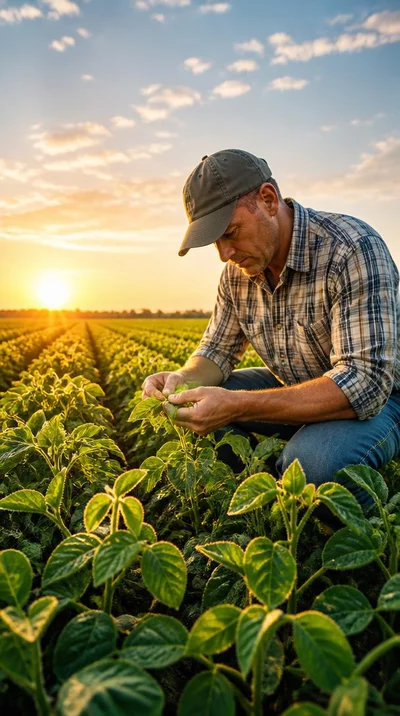
Farmer inspecting crops in a field, symbolizing agricultural research and sustainability

Each of these areas plays a significant role in shaping the policies that influence farming, food distribution, and consumer safety. By focusing on these mission areas, the USDA not only supports farmers but also protects consumers and promotes public health.

Insights into the Farm Bill and Its Implications

The Farm Bill is one of the most important pieces of legislation affecting agriculture in the United States. It encompasses a wide range of policies that impact everything from food assistance programs to agricultural subsidies. Understanding its components is essential for aspiring candidates who want to engage with agricultural issues effectively. For a comprehensive overview, you can refer to congressional research on the Farm Bill.

The key components of the Farm Bill include:

  • Nutrition Assistance Programs (e.g., SNAP)
  • Crop Insurance and Risk Management
  • Conservation Programs for sustainable practices

By shaping policies through the Farm Bill, the USDA significantly influences how farmers operate and how consumers access food. It's a critical tool for ensuring that the agricultural sector remains viable and responsive to the needs of the population.

Frequently Asked Questions about the USDA

What is the primary mission of the USDA?
The USDA's primary mission is to ensure a safe, sufficient, and nutritious food supply for all Americans, along with supporting agriculture, nutrition, and rural development.
Which key divisions within the USDA focus on nutrition and farmer support?
The Food and Nutrition Service (FNS) focuses on nutrition access, while the Farm Service Agency (FSA) provides essential support to farmers.
What are the main mission areas of the USDA?
The main mission areas include food safety, agricultural research, and trade policies, all crucial for protecting consumers and supporting farmers.
How does the Farm Bill influence agricultural policies?
The Farm Bill is a significant piece of legislation that impacts various agricultural policies, such as nutrition assistance programs (like SNAP), crop insurance, and conservation efforts.
Where can farmers find financial support from the USDA?
Farmers can access financial support through USDA grants and loans, including Rural Development grants and Farm Service Agency (FSA) loans, by visiting the USDA's official website or local offices.

Pro Tip

Did you know? Engaging with local USDA offices can provide invaluable insights tailored to your specific agricultural needs. They offer personalized support, helping you navigate available programs and resources that can make a significant difference in your farming operations.

Summarizing the USDA's Impact on Agriculture and Food Safety

The United States Department of Agriculture (USDA) plays a pivotal role in shaping the landscape of American agriculture and ensuring food safety. By providing a range of services and programs, the USDA supports farmers, promotes sustainable practices, and protects the health of consumers. These collective efforts not only foster agricultural efficiency but also enhance public confidence in our food systems.

USDA representative helping a farmer with grant application, symbolizing financial support

From overseeing food safety regulations to implementing farm support policies, the USDA ensures that both producers and consumers benefit from a well-structured agricultural environment. Its mission encompasses key functions that include:

  • Advocating for farmers through financial assistance programs
  • Ensuring food safety via stringent inspections
  • Facilitating agricultural research and development
  • Managing nutrition assistance programs to support vulnerable populations

These components, when integrated, create a resilient framework that not only addresses challenges within the agricultural sector but also promotes a healthier society. The USDA stands as a cornerstone of American agriculture, reinforcing the connection between farming practices and public health.

Engaging with USDA Resources for Better Understanding

For anyone interested in diving deeper into agricultural practices, food safety, and policy updates, I highly encourage you to explore the extensive resources available through the USDA. Their official website offers a wealth of information that can enhance your understanding and offer guidance tailored to different needs. Here are some practical resources you can utilize:

  • USDA Grants and Loans: Access funding opportunities designed to assist farmers in expanding their operations.
  • Educational Programs: Participate in workshops and training designed to improve agricultural practices.
  • Policy Updates: Stay informed about the latest changes in agricultural and food safety policies.
  • Research Publications: Review studies and reports that offer insights into agricultural trends and best practices.

Through these resources, you not only empower yourself but also contribute to a more informed community. Engaging with the USDA’s offerings is a vital step in navigating the complexities of agriculture and food safety, fostering a more sustainable future for us all!

Accessing USDA Grants and Loans for Farmers

Farmers looking for financial support can find a range of grants and loans designed to facilitate growth and innovation. Here’s how to access these valuable resources:

  • Visit the USDA’s official website to explore various grant programs, including the Rural Development grants.
  • Apply for the Farm Service Agency (FSA) loans aimed at helping farmers secure funding for their operational needs.
  • Check eligibility criteria and application deadlines to ensure a smooth process.
  • Utilize the USDA’s network of local offices for personalized assistance and guidance.

By leveraging these financial resources, farmers can enhance their operations, invest in new technologies, and ultimately thrive in a competitive market. Remember, the USDA is here to support you every step of the way!

Recap of Key Points

Here is a quick recap of the important points discussed in the article:

  • The USDA's primary mission is to ensure a safe and nutritious food supply for all Americans.
  • Key mission areas include food safety, agricultural research, and trade policies that benefit farmers.
  • The Farm Bill is essential for shaping agricultural policies, affecting nutrition assistance and crop insurance.
  • Resources like USDA grants, educational programs, and policy updates support farmers and enhance agricultural practices.
  • Engaging with USDA resources can empower individuals and contribute to a more informed community in agriculture.
About !author

Jordan L. Hayes

Jordan L. Hayes is a dedicated advocate for civic engagement and public service. With a background in political science and years of experience working on various campaigns, Jordan is passionate about empowering individuals to take the step into public office. Through clear, accessible guidance, he aims to demystify the electoral process and inspire the next generation of leaders.

Popular Posts

Understanding Treasury's Role in Finance Understanding Treasury's Role in Finance As the backbone of our nation's finances, the U.S. Treasury Department shapes economic policies that affect every citizen. Exploring its roles and responsibilities can empower individuals to engage thoughtfully in civic discussions and personal financial decisions.What You Will LearnThe U.S. Treasur
Understanding Campaign Reporting Guidelines Understanding Campaign Reporting Guidelines As the political landscape evolves, so does the necessity for transparency in campaign finance. Understanding the ins and outs of reporting can set a candidate apart and build trust with voters. Let's delve into the essential lessons you can learn from this comprehensive guide on campaign finance re
Local Election Ballot Access Rules Local Election Ballot Access Rules Are you ready to make a difference in your community but unsure about the first steps to running for office? Understanding ballot access is essential for every aspiring candidate. Let's uncover the key insights that will empower you to navigate the electoral landscape confidently. What You Wil
Voter Registration for New Campaigns Voter Registration for New Campaigns Engaging with voters can be the determining factor in a campaign's success. The implications of voter registration and turnout are profound, not just for candidates but for the democratic process itself. As you dive into the intricacies of campaigning, here are the critical lessons you'll take away
Running for Office in Oregon Running for Office in Oregon Are you ready to take your first step into the political landscape of Oregon? Understanding the requirements and processes involved in running for office is crucial for success. Here’s what you need to know to kickstart your candidacy!What You Will LearnEligibility requirements include being a res
Am I Ready to Run? How to Decide If You’re Ready to Run for Office As you contemplate the exciting journey of public service, understanding your readiness to run for office is essential. What truly drives you to seek this path? Let's explore the vital considerations that will help you find clarity and direction on your political journey. What You Will Learn The