
Eligibility Requirements
- ✓ Age: At least 18 years old for most offices.
- ✓ Residency: Montana resident for 1 year prior to election.
- ✓ Citizenship: U.S. Citizen.
- ✓ Affiliation: Party or Independent considerations.
Are you ready to make a difference in your community? Understanding the critical steps to run for office can feel overwhelming, but with the right guidance, it becomes a manageable journey. Let's empower you with the information you need to take the first step towards public service!
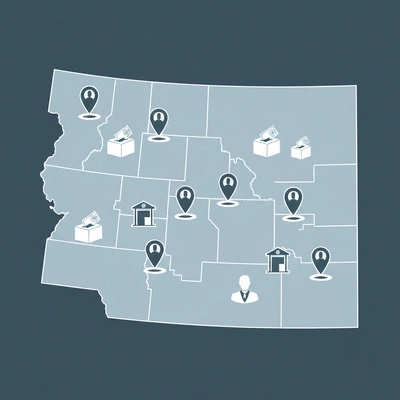
Navigating the path to public service in Montana involves understanding key eligibility criteria, the step-by-step filing process, and crucial deadlines. This visual guide outlines the essential requirements and actions for aspiring candidates.
Timely submission is key. For more on the process, read about running for political office basics.
Refer to Montana's official election page for specifics. For more details, explore getting on the ballot guide.
Budget and comply with financial regulations. COPP guidance is essential.
Are you considering making a difference in your community by running for office in Montana? It's an exciting journey, but understanding the essential qualifications is your first step. Let's dive into who is eligible to run and what requirements you need to meet!
In Montana, eligibility to run for office is determined by several key factors, including age, residency, and citizenship. If you're ready to step into public service, here's what you need to know:
These requirements ensure that candidates have a genuine connection to the community they wish to serve. It's vital to verify these details with the Montana Secretary of State to ensure you meet all criteria.
While Montana allows individuals to run as independents, many choose to align with a political party. This can significantly impact your campaign strategy and voter outreach efforts. If you decide to affiliate with a party, be sure to follow its specific guidelines for candidacy. Understanding the local political landscape is essential to your success!
Besides the basic eligibility criteria, aspiring candidates should familiarize themselves with any additional qualifications specific to the office they seek. For instance, some offices may have unique requirements related to experience or local residency. To gain a clearer picture, refer to the state-by-state running for office guide for Montana.
Once you understand the qualifications, the next step is to navigate the filing process. This is your roadmap to becoming an official candidate!
Filing to run for office involves several steps that can seem daunting, but don’t worry—I’m here to simplify it for you. Let's break down the filing process into manageable parts:
By following these steps, you’ll be well on your way to officially entering the race. Each form has specific deadlines and requirements, so be sure to check the Montana Secretary of State's website for the most current information.
Staying organized is key in the political arena, especially when it comes to filing deadlines. Here’s what to keep in mind:
Understanding these deadlines will help you avoid last-minute rushes and ensure your candidacy is properly filed. Remember, being proactive is essential when navigating the electoral process!
As you prepare to run for office in Montana, double-check the filing deadlines and ballot access rules specific to your office. These can vary significantly depending on the position you seek. Start gathering your petition signatures as early as possible to ensure you have ample time to meet the requirements, especially since signature verification can be a meticulous process. Always refer to the Montana Secretary of State's website for the most accurate and updated information.
Understanding the ballot access rules in Montana is crucial for any aspiring candidate. These rules dictate how candidates can get their names on the ballot, especially for independent candidates who may not have the backing of a political party. As part of our mission at How To Run For Office, I want to provide you with a clear overview of what you need to know.
One of the key elements of ballot access is gathering the required number of signatures to qualify. Independent candidates need to be particularly diligent about this, as it can be a time-consuming process. Let's dive into the specifics!
Independent candidates in Montana must collect a certain number of verified signatures from registered voters to qualify for the ballot. Here’s how you can effectively gather these signatures:
Remember, the signatures you collect must be verified, meaning you need to ensure they are from registered voters in your district. This can be a meticulous task, but it’s necessary to ensure your place on the ballot!
Timing is critical when it comes to gathering signatures. Make sure to start early and plan to gather more than the required amount to account for any invalid signatures. Typically, signatures need to be collected by a specified deadline prior to the election, which can vary depending on the office you're running for. You can find more detailed information on the deadlines and requirements directly on the Montana Secretary of State's election page. For further guidance on signature collection, refer to our article on collecting petition signatures.
Different offices in Montana have different signature requirements. Here’s a quick overview:
Understanding these distinctions can help you tailor your signature-gathering strategy effectively!
Another critical aspect of running for office in Montana is understanding the various filing fees and costs associated with your candidacy. These fees can differ significantly depending on the type of office you are pursuing.
The filing fees in Montana can vary widely from one office to another. Here’s a rough idea of what you might expect:
Always verify the exact fees on the Montana Secretary of State's election page. It’s important to budget for these costs when planning your campaign!
If the filing fees present a barrier, Montana does offer indigent waivers for those who may not be able to afford the fees. This can provide much-needed relief, so be sure to ask about this option when you submit your paperwork.
Payment can typically be made via check or online, depending on the office. Always confirm the acceptable payment methods to avoid any last-minute issues!
For a comprehensive breakdown of fees, be sure to check the official resources. Understanding these details is essential for effective campaign planning, and it will help you prepare your budget accordingly.
As a candidate, navigating campaign finance is vital to ensure compliance and transparency. Montana has specific regulations regarding campaign finance that every candidate must adhere to.
In Montana, candidates must register with the Commissioner of Political Practices (COPP) before raising or spending any funds. This registration is essential for maintaining transparency and accountability throughout your campaign. Below are key points to keep in mind:
These steps are crucial to running an ethical campaign that aligns with Montana’s regulations.
Failure to comply with financial reporting requirements can lead to serious consequences, including fines or disqualification from the ballot. Always stay informed about what is required by the state, and seek assistance if needed to navigate these regulations.
Candidates must file regular financial reports detailing their contributions and expenditures. Your reports should be timely and accurate, reflecting the true status of your campaign finances. To ensure compliance and avoid penalties, refer to the COPP for guidance on these obligations.
As you contemplate running for office, you may have some burning questions. Here are a few common concerns for first-time candidates:
Let's address some frequently asked questions that I often hear:
Filing fees vary significantly by office. Statewide offices can cost several hundred to a few thousand dollars, while legislative and local offices typically have lower fees, sometimes under $100. Always check the Montana Secretary of State's election page for exact figures for your specific office. Indigent waivers may also be available.
To get on the ballot, you must first meet eligibility criteria (age, residency, citizenship). Then, you'll need to complete the filing process, which includes submitting a Declaration of Intent, C-1 and C-1A forms, and an Affidavit of Candidacy. Independent candidates must also collect a specific number of verified signatures from registered voters.
Yes, independent candidates can absolutely run for office in Montana. However, they are required to gather a specific number of verified signatures from registered voters to qualify for ballot access. The exact number of signatures depends on the office sought.
All important filing deadlines for statewide and local elections can be verified on the Montana Secretary of State's website. It's crucial to regularly check this official source for the most up-to-date information and any potential changes.
Petition signature requirements vary based on the office type. Independent candidates for statewide offices generally need more signatures (often thousands) than those running for legislative or local seats. Signatures must come from registered voters and need to be verified. It's advisable to start early and collect more than the minimum required to account for any invalid signatures.
The primary official election authority resource is the Montana Secretary of State's Elections Division website. There you can find information on candidate filing, campaign finance requirements, important dates, and voter information via VoteMt.gov.
As you move forward in your journey to run for office, make sure to utilize the resources available to you. Here are some key links to help you:
For up-to-date information and detailed requirements, check out these essential resources:
These resources will guide you through the complexities of filing and help clarify any questions you might have about the process.
Stay connected with local election offices and leverage these resources to keep yourself informed. Knowledge is your greatest ally!
Running for office can be daunting, but it’s also an incredibly rewarding journey! Remember, How To Run For Office is here to support you every step of the way. Whether you’re gathering signatures or understanding financial reporting, you’re not alone.
Don't hesitate to reach out for guidance, whether it’s through our resources or local support networks. The future leaders of our communities are often those who take that first courageous step into public service!
Here is a quick recap of the important points discussed in the article:
For further steps and resources, visit our state-by-state guide and check out the Montana Secretary of State's website for official election information.
Jordan L. Hayes is a dedicated advocate for civic engagement and public service. With a background in political science and years of experience working on various campaigns, Jordan is passionate about empowering individuals to take the step into public office. Through clear, accessible guidance, he aims to demystify the electoral process and inspire the next generation of leaders.



![US Government Branches Explained: Legislative, Executive, and Judicial Basics[1][4]](https://www.howtorunforoffice.org/img/NbW3pDkLby-UL_IMAGEbUL2TR-t.webp)