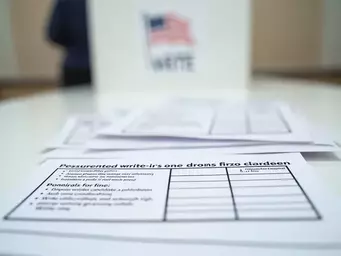
Navigating Independent Candidate Ballot Access

Navigating Independent Candidate Ballot Access

Running as an independent candidate can be a thrilling yet daunting journey. Do you know the crucial steps to ensure your name appears on the ballot? Understanding the rules and strategies of ballot access is not just helpful—it's essential for your campaign's success.

What You Will Learn

  • The importance of understanding state-specific ballot access laws to ensure compliance.
  • Strategies for gathering support, including community outreach and leveraging social media.
  • The necessity of educating voters about your platform and the electoral process.
  • How independent candidates can drive electoral reform and enhance civic engagement.
  • The role of grassroots movements in mobilizing voters and increasing turnout.

Independent Candidate Ballot Access: Key Strategies and Challenges

Navigating the path to becoming an independent candidate involves understanding specific legal requirements, strategic outreach, and the crucial role of voter education. The visual below outlines key aspects for a successful campaign.

Ballot Access Pillars

Securing a spot on the ballot is paramount for independent candidates. It ensures legal compliance, increases visibility, and builds voter confidence in the campaign's integrity.

Essential Strategies

  • Research specific state requirements
  • Gather signatures effectively
  • Understand financial implications

Community Engagement

  • Conduct outreach at local events
  • Utilize online platforms for support
  • Network with advocacy groups

Voter Education & Trust

Informing supporters about your platform and the electoral process builds trust and mobilizes an engaged voter base.

Understanding Independent Candidate Ballot Access

As an aspiring independent candidate, it's vital to grasp the intricacies of ballot access. This knowledge not only empowers you but also lays the foundation for your campaign's success. Being an independent candidate means you choose to run without being affiliated with any established political party, presenting a unique set of challenges and opportunities in the electoral landscape.

Understanding the rules surrounding ballot access can be the difference between appearing on the ballot and being sidelined. In this section, we’ll explore what it means to be an independent candidate, why ballot access is crucial, and the significant role independents play in driving electoral reform.

What It Means to Be an Independent Candidate

Being an independent candidate signifies a commitment to representing the interests of your constituents without the constraints of party affiliation. This allows for greater flexibility in addressing local issues and advocating for community needs. However, it comes with the responsibility of navigating a complex electoral framework.

  • No Party Affiliation: You can appeal to a broader audience by aligning your message with the values of your community rather than a party platform.
  • Unique Challenges: Independent candidates often face barriers in gaining visibility and support, necessitating a well-thought-out strategy.
  • Electoral Impact: Your presence can influence voter turnout and encourage a more diverse representation in politics.

Understanding these elements is essential as you prepare for your candidacy and seek ways to connect with voters.

Why Ballot Access is Crucial for Independent Candidates

Ballot access serves as the gateway to participating in the electoral process. Without securing a spot on the ballot, all your efforts in campaigning become moot. For independent candidates, this step can be particularly challenging due to specific requirements that differ from those of party-affiliated candidates. For more details on the varying requirements for different types of candidates, you can refer to resources like Ballotpedia's overview of ballot access for major and minor party candidates.

  • Legal Compliance: Each state has its own rules, and knowing them can help you avoid pitfalls.
  • Visibility: Getting on the ballot increases your chances of being seen and heard by potential voters.
  • Voter Confidence: Successfully navigating ballot access can build trust in your campaign's integrity and transparency.

Thus, understanding these guidelines is not merely a formality; it’s a critical step that sets the stage for your campaign's success.

The Role of Independent Candidates in Electoral Reform

Independent candidates are often at the forefront of electoral reform movements. By challenging the traditional two-party system, they highlight the need for more inclusive representation in our political system. This can lead to changes in the laws that govern ballot access and candidate qualifications.

  • Encouraging Voter Engagement: By presenting alternative viewpoints, independents can stimulate public interest in politics.
  • Highlighting Systemic Issues: Their campaigns often expose weaknesses in the electoral process, prompting calls for reform.
  • Building Community Connections: Independents frequently focus on local issues, fostering a more engaged electorate.

Through their efforts, independent candidates can serve as catalysts for change, paving the way for a more representative democratic process.

We Want to Hear From You!

As you consider your journey as an independent candidate, what do you think is the biggest challenge you might face in securing ballot access? Share your thoughts below:

Key Takeaways on Independent Candidate Ballot Access

As we’ve navigated the complexities of ballot access for independent candidates, it’s clear that understanding the rules and required strategies is fundamental. Each state has its unique regulations that can significantly impact your journey. From gathering petition signatures to knowing filing deadlines, thorough preparation is key to ensuring you meet all legal requirements.

  • Familiarize yourself with state-specific ballot access laws.
  • Develop a solid strategy for gathering support through signatures.
  • Understand the financial implications of filing fees in your state.

By summarizing these essential points, I hope you feel more equipped to tackle the challenges of independent candidacy. Remember, knowledge is power, especially when it comes to navigating the electoral landscape!

Frequently Asked Questions (FAQs)

Here are some frequently asked questions about independent candidate ballot access:

Q1: What is ballot access for an independent candidate?
A1: Ballot access refers to the legal right of a candidate to have their name printed on an election ballot. For independent candidates, this involves meeting specific state-mandated requirements, typically including signature gathering and filing deadlines, to qualify without party affiliation.
Q2: Why is understanding state-specific ballot access laws so important?
A2: Each state has unique laws governing ballot access, including the number of signatures required, specific deadlines, and filing fees. Understanding these state-specific rules is crucial to ensure legal compliance and avoid disqualification, as overlooking them can jeopardize an entire campaign.
Q3: What are some key strategies for gathering support and signatures?
A3: Effective strategies include conducting outreach at local events, utilizing online platforms for support, and networking with advocacy groups. These methods help independent candidates connect with potential voters and gather the necessary signatures to secure ballot access.
Q4: How can independent candidates drive electoral reform?
A4: Independent candidates can drive electoral reform by challenging the traditional two-party system, advocating for more inclusive representation, and highlighting systemic issues in the electoral process. Their presence often encourages voter engagement and prompts discussions about necessary changes to election laws.
Q5: What role do grassroots movements play in an independent candidate's campaign?
A5: Grassroots movements are vital for independent candidates as they help mobilize voters, build strong support networks, and amplify the candidate's message. Collaborating with local groups and encouraging volunteer participation can significantly increase voter turnout and foster community ownership in the electoral process.

Summarizing the Rules and Required Strategies

To recap, independent candidates must be adept at understanding the myriad rules that govern ballot access. First, research the specific requirements for your state. This includes the number of signatures needed, any fees associated, and deadlines you must meet. Next, implement effective strategies for gathering those signatures, which can include engaging your community and leveraging social media. For a deeper dive into the constitutional aspects of ballot access, an informative resource can be found on the U.S. Constitution Annotated, discussing the equal protection clause concerning ballot access.

  • Conduct outreach through local events.
  • Utilize online platforms to gather support.
  • Network with advocacy groups who can assist in signature collection.

These strategies can help streamline your efforts, making the process less daunting and more achievable.

The Importance of Understanding Local Laws

Understanding local laws is not just beneficial; it’s absolutely crucial. Each jurisdiction can have its own set of rules affecting how you can get on the ballot as an independent candidate. I often see candidates who overlook this aspect and run into legal challenges that could have been easily avoided. Be proactive in your research!

  • Consult with local election offices for clarification.
  • Consider legal assistance to navigate complex regulations.
  • Stay updated on any changes to election laws that may arise.

Grasping these nuances will strengthen your candidacy and improve your chances of success.

Voter Education: Ensuring Your Supporters Are Informed

Voter education is an often underestimated component of running for office. It’s essential not just to gather signatures but also to ensure that your supporters understand your platform and the electoral process. When voters know what’s at stake and how to support you, they are more likely to mobilize. Help them help you!

  • Provide clear and concise information about your campaign.
  • Host informational sessions to discuss key issues.
  • Create easy-to-share materials that outline your platform.

By empowering your supporters with knowledge, you pave the way for a more engaged and active voter base that can drive your campaign forward!

Next Steps for Aspiring Independent Candidates

As you prepare to take the next steps in your journey as an independent candidate, it's essential to have a roadmap to guide you. Here are some critical actions you can take.

Resources for Further Guidance and Support

For aspiring independent candidates, utilizing available resources can make a significant difference. Organizations like How To Run For Office offer a wealth of information tailored to your needs. Explore our checklists, timelines, and downloadable worksheets designed to simplify your campaign process. Additionally, the Federal Judicial Center provides valuable insights on ballot access, which can be particularly useful for understanding the broader legal landscape.

  • Join local workshops or webinars on running for office.
  • Connect with mentors who have successfully navigated the process.
  • Access online forums or communities for peer support.

These resources can provide you with the tools and confidence necessary to launch your campaign effectively.

Encouraging Participation: Making Your Voice Heard

As an independent candidate, your voice matters immensely. Encourage your community to participate in the electoral process! This includes not only voting but also engaging in discussions around important issues. Make your campaign about the people!

  • Host community forums to discuss local concerns.
  • Encourage local organizations to participate in outreach efforts.
  • Leverage social media to spread awareness and foster dialogue.

By promoting participation, you create a ripple effect that can energize your campaign and enhance civic engagement in your community.

Utilizing Grassroots Movements to Increase Voter Turnout

Grassroots movements are powerful tools for independent candidates. They help mobilize voters and build a strong support network. I recommend getting involved with local groups that align with your values and mission. These connections can amplify your message!

  • Collaborate with existing grassroots organizations.
  • Participate in community service initiatives to raise awareness.
  • Encourage volunteers to help spread the word about your campaign.

By harnessing the power of grassroots movements, you not only increase voter turnout but also foster a sense of community ownership in the electoral process.

Recap of Key Points

Here is a quick recap of the important points discussed in the article:

  • Understand the unique challenges and opportunities of being an independent candidate, including the need for a solid strategy to gain visibility.
  • Familiarize yourself with the specific ballot access rules in your state to ensure compliance and avoid pitfalls.
  • Develop effective strategies for gathering support, such as community outreach and utilizing social media.
  • Emphasize voter education to empower supporters with knowledge about your campaign and the electoral process.
  • Leverage grassroots movements to enhance voter turnout and foster a sense of community ownership in the electoral process.
About !author

Jordan L. Hayes

Jordan L. Hayes is a dedicated advocate for civic engagement and public service. With a background in political science and years of experience working on various campaigns, Jordan is passionate about empowering individuals to take the step into public office. Through clear, accessible guidance, he aims to demystify the electoral process and inspire the next generation of leaders.


Popular Posts

Incumbents and Campaign Resource Rules Incumbents and Campaign Resource Rules Have you ever thought about how the rules governing electoral campaigns can shape a candidate's approach to public service? Understanding these legal guidelines is vital for anyone aspiring to run for office, ensuring that their campaign is not only effective but also compliant. What You Will Lea
Running for Political Office: Basics What Does It Mean to Run for Political Office? Essential First Steps As you embark on the exciting journey of running for political office, consider this: nearly every successful leader started with a single aspiration to make a difference. What drives your desire for public service? Understanding your motivations can illuminate the path ahead. What You Will Learn
Beginner’s Guide to Campaign Ethics How to Avoid Common Campaign Ethics Violations: A Beginner's Checklist As you venture into the world of political campaigning, understanding the ethics surrounding it is not just advisable—it's essential. How can you ensure your message resonates with integrity? By learning the key principles of campaign ethics and avoiding common pitfalls, you can cultivate trust an
Fundraising Ethics: Legal and Practical Fundraising Ethics: Legal and Practical As the political landscape continues to evolve, understanding the ethical framework of fundraising becomes paramount for candidates. Navigating this complex terrain requires more than just financial acumen; it necessitates a commitment to integrity, transparency, and unwavering ethical standards. Ar
Running for Office in South Carolina Running for Office in South Carolina Are you ready to make a difference in your community? As you consider running for office in South Carolina, knowing the essential steps and requirements can set you on the right path to success. Let’s break down everything you need to know!What You Will LearnTo run for office, candidates must be a
Navigating Independent Candidate Ballot Access Navigating Independent Candidate Ballot Access Running as an independent candidate can be a thrilling yet daunting journey. Do you know the crucial steps to ensure your name appears on the ballot? Understanding the rules and strategies of ballot access is not just helpful—it's essential for your campaign's success. What You Will Learn