Crafting Your Unique Candidate Story

What if your story could be the key to winning an election? A compelling candidate narrative not only connects with voters but also establishes trust and relatability. Here’s how to craft yours effectively.
What You Will Learn
- The importance of a candidate story in establishing emotional connections with voters.
- Key elements that make a campaign narrative effective, including authenticity and personal background.
- How to integrate personal branding to create a cohesive and recognizable candidate story.
- Strategies for engaging voters through relatable experiences and community issues.
Crafting Your Candidate Story: Key Elements & Trust Building
A strong candidate story is crucial for electoral success. This visual outlines the core elements of an effective campaign narrative and how they build voter trust.
Key Elements of an Effective Narrative
- ✓ Personal Background: Overcoming obstacles & shaping views.
- ✓ Core Values: Guiding principles & decisions.
- ✓ Vision for Future: Community needs & aspirations.
- ✓ Relatable Experiences: Anecdotes voters connect with.
Building Trust with Voters
- ✓ Authenticity: Openness about challenges & victories.
- ✓ Credibility: Background informing political stance.
- ✓ Engagement: Highlighting community issues & dialogue.
- ✓ Consistent Messaging: Storytelling across all platforms.
Understanding the Importance of Your Candidate Story in Elections
Your candidate story is more than just a narrative; it’s a vital component of your campaign that can establish a deep connection with voters. A compelling candidate story resonates with the community, helping to define who you are and why you’re running. In my experience through How To Run For Office, I've seen firsthand how a well-crafted story can significantly sway public perception and garner support.
But why does this matter? A powerful candidate story can humanize you, making you relatable and approachable. It’s not just about policy; it’s about people. The personal connection you create leads to trust and engagement—key ingredients for any successful campaign!
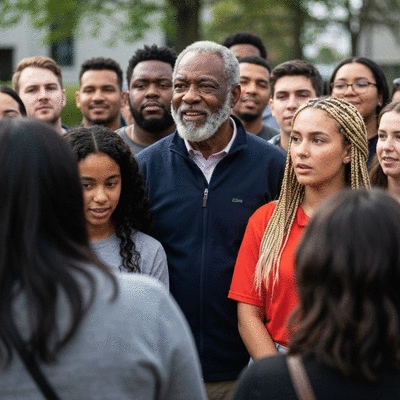
Why a Compelling Candidate Story Matters
A compelling candidate story serves multiple crucial functions in an election. Firstly, it provides context to your candidacy, explaining your motivations and the values that guide your decisions. Notably, storytelling can drive home the issues that matter most to your constituents, showing them that you understand their struggles and aspirations.
- Builds emotional connections with voters
- Clarifies your vision and goals
- Sets you apart from other candidates
- Enhances your campaign’s relatability
Moreover, the narrative you create can frame the conversation around your candidacy. When you articulate your story effectively, you guide voters in understanding not just what you stand for but also why it matters to them. As their potential representative, your story can become a rallying point for their hopes and dreams.
Key Elements of an Effective Campaign Narrative
To craft an effective campaign narrative, consider several key elements that resonate with voters. First and foremost, your story should be authentic; it must reflect your true experiences, values, and motivations. Voters can sense inauthenticity, so being genuine is essential for building trust.
- Personal Background: Share your journey, including obstacles overcome and experiences that shaped your views.
- Core Values: Clearly articulate the principles that guide your decisions and policies.
- Vision for the Future: Explain what you hope to achieve and how your story aligns with the community's needs.
- Relatable Experiences: Use anecdotes or situations that voters can connect with personally.
Integrating these elements into your narrative can create a rich, engaging story that not only informs but also inspires action among your electorate. Remember, your campaign narrative is a living document—it can evolve as you progress and respond to the needs of your community!
Integrating Personal Branding into Your Candidate Story
Your personal brand is the lens through which voters will view your candidate story. By integrating your personal branding into your narrative, you can create a cohesive image that aligns with your campaign's goals and values. Think of your brand as an extension of your story—it encapsulates who you are and what you represent!
- Consistent Messaging: Ensure that your story reflects your campaign messaging across all platforms.
- Visual Identity: Use logos, colors, and imagery that resonate with your narrative to enhance recognition.
- Engagement Strategies: Utilize social media and community events to share your story in diverse, engaging formats.
This cohesive approach not only helps voters remember you but also establishes a deeper understanding of your mission. As you develop your candidate story, keep your personal brand at the forefront—it’s your unique identity that will draw voters in and keep them engaged!
Step-by-Step Guide to Crafting Your Unique Candidate Story
We Want to Hear From You!
What personal experiences have shaped your views on public service? Share your thoughts below:
Building Trust Through Your Candidate Story
Trust is at the heart of any successful campaign, and your candidate story plays a crucial role in establishing that trust. When voters feel they know you, they are more likely to support you. This connection can be built through authenticity and relatability in your narrative. Let’s explore how to effectively craft this trust-building story!

Establishing Credibility with Authenticity
Voters want to see the real you. Sharing your genuine experiences not only makes you relatable but also establishes your credibility as a candidate. Here are a few ways to enhance your story's authenticity:
- Be open about your challenges and victories.
- Share personal anecdotes that highlight your values.
- Showcase how your background informs your political stance.
When you weave in these elements, it creates a tapestry of trust that resonates with your audience. Remember, voters appreciate transparency; they can sense when someone is being disingenuous!
Engaging Voters with Personal Connections
Your story should foster personal connections with voters. Think about how to make your experiences relevant to their lives. For example, if you faced struggles with education, share how that shaped your views on policy reform. Here’s how to effectively engage:
- Highlight community issues that align with your personal experiences.
- Encourage voters to share their stories in response.
- Be approachable and willing to listen; create a dialogue.
Engaging voters isn't just about what you say; it's about creating a connection that invites them into your journey. When voters see themselves in your story, they are more likely to support you!
Campaign Messaging Techniques for Effective Outreach
To reach your audience effectively, your campaign messaging must be clear and impactful. Here are some techniques you can use:
- Utilize storytelling in your speeches and social media posts.
- Keep your messaging consistent across all platforms.
- Employ visuals that complement your narrative and enhance understanding.
By incorporating these techniques, you'll ensure that your message not only reaches your audience but also resonates with them. Remember, effective outreach is about more than just broadcasting your story; it’s about making it stick!
Frequently Asked Questions
What is a candidate story and why is it important?
A candidate story is a compelling narrative that defines who you are, why you are running, and what values guide your decisions. It is crucial because it helps establish emotional connections with voters, builds trust, and makes you more relatable and approachable. It's a way to humanize your candidacy beyond just policies.
What are the key elements of an effective campaign narrative?
Key elements include your personal background (overcoming obstacles, experiences that shaped your views), core values (principles guiding your decisions), a clear vision for the future (what you hope to achieve and how it aligns with community needs), and relatable experiences (anecdotes voters can connect with).
How can authenticity help build trust with voters?
Authenticity is essential because voters can sense insincerity. By being open about your challenges, victories, and personal anecdotes that highlight your values, you build credibility and trust. Sharing genuine experiences makes you relatable and shows voters the real you.
How does personal branding fit into a candidate story?
Personal branding is the lens through which voters perceive your story. Integrating it means ensuring consistent messaging across all platforms, using visual identity (logos, colors) that align with your narrative, and employing engagement strategies (social media, community events) to share your story in diverse formats. It helps create a cohesive and memorable image.
What are some effective campaign messaging techniques?
Effective techniques include utilizing storytelling in speeches and social media posts, maintaining consistent messaging across all platforms, and employing visuals that complement your narrative. The goal is to make your message clear, impactful, and memorable, fostering a connection with your audience.
Recap of Key Points
Here is a quick recap of the important points discussed in the article:
- A compelling candidate story builds emotional connections and enhances relatability with voters.
- Key elements of an effective narrative include personal background, core values, and a clear vision for the future.
- Authenticity is crucial; sharing genuine experiences fosters trust and credibility.
- Integrating personal branding into your narrative creates a cohesive image that resonates with your campaign's goals.
- Engagement strategies, such as sharing experiences and encouraging dialogue, deepen voter connections.

Jordan L. Hayes
Jordan L. Hayes is a dedicated advocate for civic engagement and public service. With a background in political science and years of experience working on various campaigns, Jordan is passionate about empowering individuals to take the step into public office. Through clear, accessible guidance, he aims to demystify the electoral process and inspire the next generation of leaders.
Popular Posts
Voter Registration for New Campaigns
![Voter Registration for New Campaigns]() Engaging with voters can be the determining factor in a campaign's success. The implications of voter registration and turnout are profound, not just for candidates but for the democratic process itself. As you dive into the intricacies of campaigning, here are the critical lessons you'll take away
Engaging with voters can be the determining factor in a campaign's success. The implications of voter registration and turnout are profound, not just for candidates but for the democratic process itself. As you dive into the intricacies of campaigning, here are the critical lessons you'll take away
 Engaging with voters can be the determining factor in a campaign's success. The implications of voter registration and turnout are profound, not just for candidates but for the democratic process itself. As you dive into the intricacies of campaigning, here are the critical lessons you'll take away
Understanding the US Supreme Court
![Understanding the US Supreme Court]() What if decisions made by nine individuals could alter the course of history? The Supreme Court of the United States holds that power, influencing the lives of millions through its rulings. Understanding its role is not just for legal scholars; it is essential for every citizen who wishes to engage
What if decisions made by nine individuals could alter the course of history? The Supreme Court of the United States holds that power, influencing the lives of millions through its rulings. Understanding its role is not just for legal scholars; it is essential for every citizen who wishes to engage
 What if decisions made by nine individuals could alter the course of history? The Supreme Court of the United States holds that power, influencing the lives of millions through its rulings. Understanding its role is not just for legal scholars; it is essential for every citizen who wishes to engage
Running for Office in Virginia
![Running for Office in Virginia]() As you consider stepping into the realm of public service, it's essential to be equipped with the right knowledge. Running for office is not just about ambition; it involves navigating a maze of requirements and procedures. Are you ready to empower your community while understanding the process ahea
As you consider stepping into the realm of public service, it's essential to be equipped with the right knowledge. Running for office is not just about ambition; it involves navigating a maze of requirements and procedures. Are you ready to empower your community while understanding the process ahea
 As you consider stepping into the realm of public service, it's essential to be equipped with the right knowledge. Running for office is not just about ambition; it involves navigating a maze of requirements and procedures. Are you ready to empower your community while understanding the process ahea
Overview of Federal Executive Departments
![Overview of Federal Executive Departments]() Understanding the intricacies of the U.S. federal executive departments is not only essential for civic engagement but also empowers aspiring leaders to navigate the political landscape effectively. Are you ready to dive into the structure that shapes our government?
What You Will Learn
Th
Understanding the intricacies of the U.S. federal executive departments is not only essential for civic engagement but also empowers aspiring leaders to navigate the political landscape effectively. Are you ready to dive into the structure that shapes our government?
What You Will Learn
Th
 Understanding the intricacies of the U.S. federal executive departments is not only essential for civic engagement but also empowers aspiring leaders to navigate the political landscape effectively. Are you ready to dive into the structure that shapes our government?
What You Will Learn
Th
Understanding the intricacies of the U.S. federal executive departments is not only essential for civic engagement but also empowers aspiring leaders to navigate the political landscape effectively. Are you ready to dive into the structure that shapes our government?
What You Will Learn
Th
Traits of Successful First-Time Candidates
![Traits of Successful First-Time Candidates]() Are you considering stepping into the world of public service? Success as a first-time candidate doesn’t just depend on passion; it requires understanding the key traits that define effective leaders. Let's unpack the insights that can help you navigate your journey towards public office.What You
Are you considering stepping into the world of public service? Success as a first-time candidate doesn’t just depend on passion; it requires understanding the key traits that define effective leaders. Let's unpack the insights that can help you navigate your journey towards public office.What You
 Are you considering stepping into the world of public service? Success as a first-time candidate doesn’t just depend on passion; it requires understanding the key traits that define effective leaders. Let's unpack the insights that can help you navigate your journey towards public office.What You
Running for Office in Idaho
![Running for Office in Idaho]() Are you ready to take the plunge into public service? Understanding the essential requirements and processes for running for office in Idaho is your first step toward making a difference in your community!What You Will LearnCandidates must be at least 18 years old and a resident of Idaho for at leas
Are you ready to take the plunge into public service? Understanding the essential requirements and processes for running for office in Idaho is your first step toward making a difference in your community!What You Will LearnCandidates must be at least 18 years old and a resident of Idaho for at leas
 Are you ready to take the plunge into public service? Understanding the essential requirements and processes for running for office in Idaho is your first step toward making a difference in your community!What You Will LearnCandidates must be at least 18 years old and a resident of Idaho for at leas