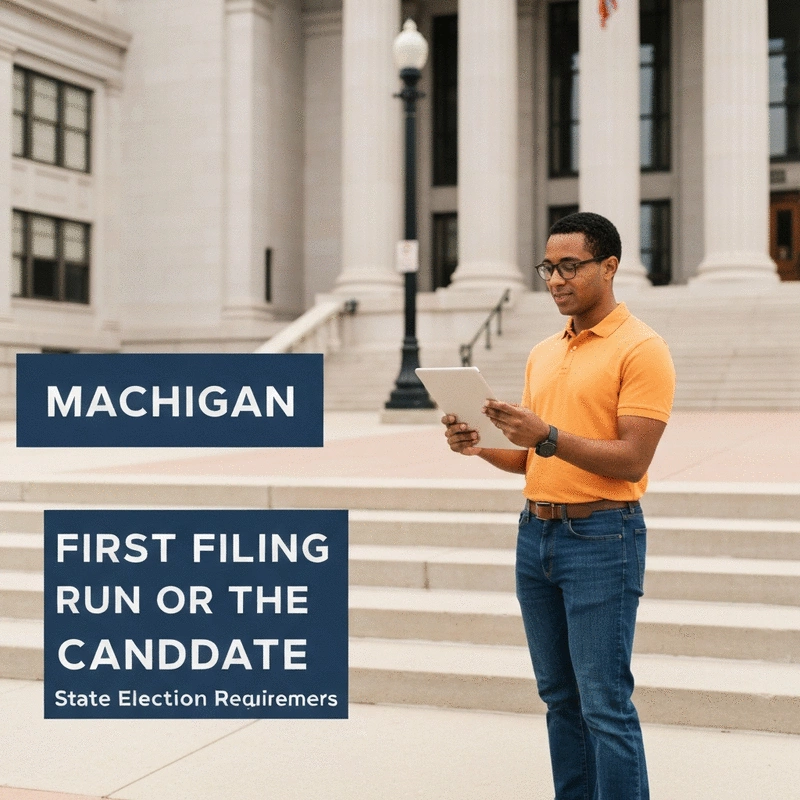
Are you ready to take your first step towards public service? Understanding the requirements and processes involved in running for office can empower you to make a significant difference in your community.
What You Will Learn
Candidates must be at least 18 years old and have been a resident of Michigan for at least 30 days before the election.
You must be a registered voter in Michigan and verify your elector status, especially if you have a felony conviction.
Familiarize yourself with Michigan's election laws, including campaign finance regulations and reporting requirements to avoid legal issues.
Candidates typically need to gather a specific number of signatures to qualify for the ballot, which varies by office.
Creating a Campaign Finance Committee is essential for managing campaign finances and ensuring compliance with state laws.
Utilize official resources, such as the Candidate Filing Page, to guide you through the filing process and understand necessary paperwork.
Key Requirements for Running for Office in Michigan
Understanding the essential steps and qualifications is crucial for aspiring candidates in Michigan. This overview highlights the core eligibility criteria, legal considerations, and financial steps involved.
Eligibility Criteria
✓ 18+ years old by election
✓ MI Resident (30+ days)
✓ Registered Voter
Legal & Filing Steps
✓ Understand Election Laws
✓ Gather Petition Signatures
✓ Meet Filing Deadlines
Campaign Finance
✓ Establish CFC & Treasurer
✓ Adhere to Contribution Limits
✓ File Financial Reports
Understanding the Basics of Running for Office in Michigan
Are you thinking about making a difference in your community by running for office in Michigan? Understanding the eligibility criteria and legal framework is your first step. This guide will help illuminate what it takes to become a candidate in the Great Lakes State!
Let’s explore who can run for office, the laws that govern elections, and the various steps you need to take to get started.
Who is Eligible to Run for Office in Michigan?
Before you dive into your campaign plans, it’s crucial to know the eligibility requirements for running for office in Michigan. This ensures that you meet the necessary qualifications to lead and serve your community.
Age and Residency Requirements
You must be at least 18 years old by the time of the election.
Residency in Michigan is required for at least 30 days prior to the election.
Specific offices may have additional residency requirements, so check the details!
Being clear about these requirements can set your campaign on the right path. Additionally, make sure to verify your residency status and age, as these can be easily overlooked.
Elector Status and Other Qualifications
You must be a registered voter in Michigan.
Individuals who have been convicted of certain felonies may face restrictions on their ability to run.
Some offices may require additional qualifications, like holding a specific degree or experience.
Meeting these qualifications not only enhances your candidacy but also builds trust with your potential constituents. Understanding your status as an elector is key to ensuring you can participate effectively in the electoral process.
Overview of Michigan Election Law
Now that we’ve covered eligibility, let’s look at the legal landscape you’ll be navigating. Michigan’s election laws are designed to maintain fairness and transparency during campaigns.
Key Legal Framework for Candidates
Michigan's election laws govern everything from candidate filings to campaign finance. You can find more information about understanding key election terms at Understanding Elections for New Runners.
Understanding these laws is essential to avoid legal pitfalls.
Consulting the state’s election office can help clarify any questions you might have.
It's vital to familiarize yourself with these regulations to ensure compliance throughout your campaign. Knowledge of the law can empower you to run a successful and ethical campaign.
Understanding Political Campaign Laws in Michigan
Campaigns must adhere to contribution limits and reporting requirements.
Advertising and promotional materials must comply with specific regulations.
Failure to follow these laws can result in penalties or disqualification.
Make sure to stay informed about campaign laws by regularly checking the Michigan Secretary of State's official resources. This will help you remain compliant and focused on your mission of public service!
Step-by-Step Guide to Becoming a Candidate
Ready to take the leap? Let's navigate the filing process together. Knowing what documents you’ll need to gather can make this journey smoother.
Jordan L. Hayes is a dedicated advocate for civic engagement and public service. With a background in political science and years of experience working on various campaigns, Jordan is passionate about empowering individuals to take the step into public office. Through clear, accessible guidance, he aims to demystify the electoral process and inspire the next generation of leaders.

Popular Posts
Running for Office in Massachusetts
Are you ready to take the leap into public service? Understanding the requirements and processes for running for office in Massachusetts is your first step toward making a difference. Let’s dive into the essential information you need to know!What You Will LearnCandidates must be at least 18 years
Running for Office in Mississippi
Are you ready to embark on a transformative journey into public service? It's essential to understand the vital steps and requirements before stepping onto the political stage, especially in Mississippi, where the electoral landscape is rich with opportunities and responsibilities.What You Will Lear
Fundraising Ethics: Legal and Practical
As the political landscape continues to evolve, understanding the ethical framework of fundraising becomes paramount for candidates. Navigating this complex terrain requires more than just financial acumen; it necessitates a commitment to integrity, transparency, and unwavering ethical standards. Ar
Voter Registration for New Campaigns
Engaging with voters can be the determining factor in a campaign's success. The implications of voter registration and turnout are profound, not just for candidates but for the democratic process itself. As you dive into the intricacies of campaigning, here are the critical lessons you'll take away
Running for Office in Arkansas
Are you ready to step into public service and make a difference in your community? Before you embark on this exciting journey, understanding the essential requirements and processes for running for office in Arkansas is crucial.
What You Will Learn
Candidates must be at least 18 years old,
Digital Strategies for First-Time Candidates
In the competitive arena of political campaigns, an effective digital strategy can be your game-changer. Have you ever wondered how first-time candidates can navigate this complex landscape? With the right tools and insights, you can build a compelling online presence that resonates with voters and
Quick Tip for Aspiring Candidates
Start by understanding the specific role you're aiming for. Researching the duties of a city council member versus a state representative will clarify your path!
Craft a compelling message that resonates with your community. What specific problems can you solve, and how will your unique vision make a difference?
Build a dedicated campaign team. Surround yourself with individuals who share your passion and can help amplify your voice and efforts.
Familiarize yourself with campaign finance regulations. Transparency and compliance are crucial for maintaining integrity and public trust.
Engage with your constituents face-to-face. Town halls and community events are invaluable for listening to concerns and building genuine connections.
Develop a robust digital presence. A professional website and active social media can help you reach a wider audience and share your platform effectively.
Practice your public speaking skills. Clearly articulating your positions and vision is key to winning over voters and gaining support.
Create a detailed campaign timeline. This helps you manage tasks, allocate resources, and stay on track from announcement to election day.
Understand the voter registration process in your area. Knowing the deadlines and requirements is vital for mobilizing your support base.
Network with local community leaders. Their insights and endorsements can significantly boost your credibility and reach.
Prepare for media interactions. Craft clear, concise talking points and anticipate potential questions to handle interviews with confidence.
Consider the ethical implications of all your campaign decisions. Upholding integrity is paramount for long-term public service.
Learn from past campaigns, both successful and unsuccessful. Analyzing different strategies can provide valuable lessons for your own journey.
Stay resilient and adaptable. The electoral process can be unpredictable, so a flexible mindset is crucial for navigating challenges.
Embrace the journey of public service. Every step, from planning to campaigning, is an opportunity to grow and make a positive impact on your community!
How to Run for Office is dedicated to empowering aspiring candidates with the knowledge and strategies needed to successfully navigate the electoral process. Our mission is to demystify running for public office and equip you with actionable guidance for impactful public service.