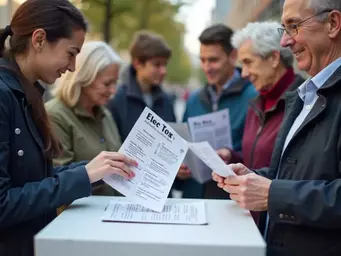
Engaging with voters can be the determining factor in a campaign's success. The implications of voter registration and turnout are profound, not just for candidates but for the democratic process itself. As you dive into the intricacies of campaigning, here are the critical lessons you'll take away from this article.
What You Will Learn
Voter registration is essential for enabling civic participation; without it, voices go unheard.
High voter turnout can dramatically influence election outcomes, favoring more diverse representation.
Understanding and addressing voter ID laws is crucial to ensure all eligible voters can participate.
Utilizing modern tools like online registration can streamline the voter mobilization process.
Key Campaign Components: Registration, Turnout, and ID Laws
Understanding the interplay between voter registration, turnout, and ID laws is vital for any campaign striving for effective voter engagement. The visual below highlights these critical components and their impact on the electoral process.
Voter Registration: The Gateway to Participation
Registration is the fundamental first step, ensuring individuals can voice their opinions. Campaigns must actively promote registration to empower voters.
Increases civic engagement
Stimulates interest in issues
Mobilizes the disenfranchised
Voter Turnout: Influencing Election Outcomes
Higher turnout leads to a greater diversity of voices. Campaigns should make boosting turnout a cornerstone strategy.
Reflects community sentiments
Promotes healthier political climate
Empowers new entrants
Voter ID Laws: Impact on Participation Rates
These laws can significantly affect turnout, particularly among marginalized groups, by creating barriers to voting.
Creates confusion on ID types
Disenfranchises eligible voters
Requires voter education
Prioritizing Voter Engagement: A Winning Strategy
Effective engagement fosters trust, addresses community concerns, and builds a robust, responsive campaign platform.
Builds trust & loyalty
Identifies community concerns
Enhances campaign platform
Why Understanding Voter Registration and Turnout Matters for Your Campaign
Understanding the nuances of voter registration and turnout is crucial for any campaign seeking to engage the electorate effectively. As someone who has walked the path of public service, I can tell you that each vote counts! The foundation of a successful campaign often lies in how well you can mobilize voters and ensure they are registered to participate in the electoral process.
When candidates grasp the importance of these elements, they can tailor their strategies to overcome obstacles and connect with their constituents. During my time in various campaigns, I realized that a well-informed approach to voter registration can significantly influence the success of a campaign.
The Role of Voter Registration in Democratic Participation
Voter registration plays a pivotal role in encouraging civic engagement. Without registered voters, the opportunity for individuals to voice their opinions on critical issues is diminished. It's essential to understand that registration serves as the gateway to participation in the democratic process. If people don’t register, they can’t vote, and their voices go unheard! For more detailed information on registering to vote in your state, you can visit the U.S. Election Assistance Commission website, which provides valuable state-specific resources.
Registered voters are more likely to contribute to local and national discussions.
Voter registration drives can stimulate interest in community issues.
Engaging in discussions about the importance of registration can mobilize those who may feel disenfranchised.
By actively promoting voter registration, you not only empower individuals but also enhance the democratic process itself. Encouraging participation creates a more informed electorate, which is beneficial for all candidates and the community as a whole.
How Voter Turnout Influences Election Outcomes
The statistics around voter turnout tell a powerful story: higher participation rates often lead to a greater diversity of voices in the election outcome. As I’ve observed, when turnout is low, it tends to favor more organized or established candidates, which can overshadow the fresh perspectives of new entrants. This is why making an effort to boost turnout should be a cornerstone of your campaign strategy! For comprehensive resources on how to register and vote, Vote.gov offers a centralized platform to guide voters through the process.
Focus on local issues that resonate with potential voters.
Engage with community organizations to spread the word.
Utilize social media to reach and motivate your audience.
Increased voter turnout not only reflects the sentiments of the community but also promotes a healthier political climate. It’s essential to encourage people to not just register but also to show up on election day!
The Impact of Voter ID Laws on Turnout Rates
Understanding the impact of voter ID laws is crucial for any campaign. These laws can significantly affect turnout rates, especially among marginalized groups. It's important to recognize that while these laws are often framed as measures to prevent fraud, they can inadvertently disenfranchise eligible voters.
Voter ID laws can create confusion about what identification is required.
Many eligible voters may not have the proper ID, leading to lower participation rates.
Campaigns must educate voters about ID requirements to mitigate these challenges.
By addressing these laws in your campaigning efforts, you can help ensure that all eligible voters are aware of their rights and can navigate the registration and voting process effectively.
Essential Components of Voter Registration for Beginners
When embarking on your campaign journey, understanding the components of voter registration is key. This is especially true for first-time candidates who may find the process daunting. With How To Run For Office, I’ve provided resources that simplify these complexities, making it easier for you to engage with voters! For guidance on legal considerations for campaigns conducting voter registration and get-out-the-vote drives, the Federal Election Commission offers important compliance information.
In the following sections, we will explore critical aspects of voter registration, including eligibility, deadlines, and the benefits of online tools to help you reach and mobilize voters effectively.
Frequently Asked Questions (FAQs)
What is the primary role of voter registration in a democratic process?
Voter registration is the fundamental first step that enables individuals to participate in the democratic process, ensuring their voices can be heard on critical issues. Without it, eligible citizens cannot cast their votes.
How does high voter turnout affect election outcomes?
High voter turnout often leads to a greater diversity of voices being represented in election outcomes, reflecting broader community sentiments and promoting a healthier political climate. It can prevent outcomes skewed towards more organized or established candidates.
What impact do voter ID laws have on voter participation?
Voter ID laws can significantly affect turnout rates, particularly among marginalized groups, by creating barriers to voting. They can cause confusion about required identification and potentially disenfranchise eligible voters who lack the proper ID.
Why should a campaign prioritize voter engagement?
Prioritizing voter engagement builds trust and loyalty with constituents, helps identify and address community concerns, and enhances the campaign platform. It fosters long-term civic responsibility and strengthens the democratic process.
What are some essential components of voter registration for beginners?
Essential components include understanding eligibility requirements, being aware of registration deadlines, and utilizing modern tools like online registration. Campaigns should also focus on educating voters about any state-specific ID laws.
Pro Tip
To maximize voter turnout, consider implementing a multi-channel outreach strategy. Utilize social media platforms, local events, and community organizations to reach diverse demographics. Engaging with voters in various ways can significantly increase awareness and participation in your campaign!
Summarizing Key Takeaways for Voter Registration and Turnout
As we wrap up our discussion on voter registration and turnout, it's clear that these elements are pivotal to the success of any campaign. Prioritizing voter engagement not only enhances your chances of winning but also fosters a more informed and active electorate. When you understand the intricacies of voter registration, you equip yourself with the tools to mobilize your community effectively.
Here are some essential takeaways that every campaign should keep in mind:
Voter registration is the first step towards civic participation and must be made accessible.
High voter turnout can significantly sway election outcomes, so every effort counts!
Understanding state-specific rules can help you avoid pitfalls and ensure compliance.
Modern tools like online registration can streamline the process, yet traditional methods still hold value.
In my experience with How To Run For Office, I’ve seen firsthand how a well-structured engagement strategy can lead to increased voter participation. So, make sure your campaign is ready to tackle these vital components!
Why Every Campaign Should Prioritize Voter Engagement
When you think about running for office, consider this: engaging voters isn’t just a box to check—it’s a fundamental part of building a robust campaign. Effective voter engagement practices create a ripple effect, encouraging not only immediate participation but also fostering long-term civic responsibility in your community.
As you plan your campaign, keep these points at the forefront:
Building relationships with voters fosters trust and loyalty, which are priceless during elections.
Engagement strategies can help you identify and address community concerns, making your campaign more relevant.
Incorporating feedback from your constituents can enhance your platform and make it more appealing.
Ultimately, a campaign rooted in genuine voter engagement is not just about the election—it's about shaping the future of your community!
Final Thoughts on Building a Successful Campaign Strategy
As you develop your campaign strategy, remember that success lies in the details. A well-thought-out approach to voter registration and turnout can set you apart from your competitors. By integrating ethical practices and a commitment to civic engagement, you can run a campaign that resonates with voters. Be genuine, be approachable, and most importantly, be present!
Don't forget to leverage resources like How To Run For Office as you navigate this journey. The right tools and knowledge can empower you to connect with your community and amplify your message.
Encouraging Continued Learning and Engagement
Next Steps for Your Campaign Journey
Now that you've explored the importance of voter registration and turnout, what’s next for your campaign journey? Start by creating a timeline for your voter engagement initiatives. Make sure to prioritize tasks like setting registration deadlines and organizing events. The earlier you start, the better prepared you will be!
Here’s a quick list of next steps:
Review your state’s voter registration requirements to ensure compliance.
Plan outreach efforts to raise awareness about registration and voting.
Monitor engagement metrics to refine your strategies.
Join the Conversation: Share Your Experiences
Engagement doesn’t have to stop once your campaign kicks off! I encourage you to share your experiences and insights with others. Participating in forums or community discussions can not only enhance your understanding but also connect you with like-minded individuals. Let's collaborate for a better future!
Understanding Voter Participation Trends for Future Campaigns
Finally, as you look ahead, keep an eye on evolving voter participation trends. Understanding the factors that influence turnout can help you strategize more effectively for future campaigns. Are there new demographics emerging that you should consider? What changes in technology could impact your outreach?
At How To Run For Office, we believe that staying informed is essential. Continue learning about these trends and adapt your strategies accordingly. Remember, every election is a chance to engage and uplift your community!
Recap of Key Points
Here is a quick recap of the important points discussed in the article:
Voter registration is essential for civic participation and must be made accessible to all.
High voter turnout can significantly influence election outcomes, making every effort crucial.
Understanding state-specific voter registration rules is vital to ensure compliance and avoid pitfalls.
Utilizing modern tools like online registration can simplify the process, complementing traditional methods.
Engaging with the community fosters trust and loyalty, enhancing campaign relevance and effectiveness.
Jordan L. Hayes
Jordan L. Hayes is a dedicated advocate for civic engagement and public service. With a background in political science and years of experience working on various campaigns, Jordan is passionate about empowering individuals to take the step into public office. Through clear, accessible guidance, he aims to demystify the electoral process and inspire the next generation of leaders.
Popular Posts
Running for Office in Alabama
Ready to make a difference in your community? Running for office in Alabama is a significant step towards civic engagement. With the right information, you can effectively navigate the process and position yourself for success. Let’s explore the essential takeaways to kickstart your journey!
Local Election Ballot Access Rules
Are you ready to make a difference in your community but unsure about the first steps to running for office? Understanding ballot access is essential for every aspiring candidate. Let's uncover the key insights that will empower you to navigate the electoral landscape confidently.
What You Wil
Running for Office in West Virginia
Are you prepared to dive into the political arena of West Virginia? Understanding the specific requirements and processes can make all the difference as you embark on this journey. This guide will equip you with the essentials needed to navigate your candidacy with confidence.
What You Will Learn
Running for Office in Kansas
Are you ready to step into the political arena and make a difference in your community? Understanding the specific requirements and processes for running for office in Kansas is crucial to your success. Here’s what you need to know to embark on this exciting journey! What You Will Learn Eligibil
Overview of Federal Executive Departments
Understanding the intricacies of the U.S. federal executive departments is not only essential for civic engagement but also empowers aspiring leaders to navigate the political landscape effectively. Are you ready to dive into the structure that shapes our government?
What You Will Learn
Th
Running for Office in Indiana
Are you ready to take the leap into public office? Understanding the intricacies of running for office in Indiana can be a game-changer for aspiring candidates. Here's what you need to know to set yourself up for success!
What You Will Learn
Eligibility criteria include being at least 18 years
Quick Tip for Aspiring Candidates
Start by understanding the specific role you're aiming for. Researching the duties of a city council member versus a state representative will clarify your path!
Craft a compelling message that resonates with your community. What specific problems can you solve, and how will your unique vision make a difference?
Build a dedicated campaign team. Surround yourself with individuals who share your passion and can help amplify your voice and efforts.
Familiarize yourself with campaign finance regulations. Transparency and compliance are crucial for maintaining integrity and public trust.
Engage with your constituents face-to-face. Town halls and community events are invaluable for listening to concerns and building genuine connections.
Develop a robust digital presence. A professional website and active social media can help you reach a wider audience and share your platform effectively.
Practice your public speaking skills. Clearly articulating your positions and vision is key to winning over voters and gaining support.
Create a detailed campaign timeline. This helps you manage tasks, allocate resources, and stay on track from announcement to election day.
Understand the voter registration process in your area. Knowing the deadlines and requirements is vital for mobilizing your support base.
Network with local community leaders. Their insights and endorsements can significantly boost your credibility and reach.
Prepare for media interactions. Craft clear, concise talking points and anticipate potential questions to handle interviews with confidence.
Consider the ethical implications of all your campaign decisions. Upholding integrity is paramount for long-term public service.
Learn from past campaigns, both successful and unsuccessful. Analyzing different strategies can provide valuable lessons for your own journey.
Stay resilient and adaptable. The electoral process can be unpredictable, so a flexible mindset is crucial for navigating challenges.
Embrace the journey of public service. Every step, from planning to campaigning, is an opportunity to grow and make a positive impact on your community!
How to Run for Office is dedicated to empowering aspiring candidates with the knowledge and strategies needed to successfully navigate the electoral process. Our mission is to demystify running for public office and equip you with actionable guidance for impactful public service.