
Overview of Federal Executive Departments

Overview of Federal Executive Departments

Understanding the intricacies of the U.S. federal executive departments is not only essential for civic engagement but also empowers aspiring leaders to navigate the political landscape effectively. Are you ready to dive into the structure that shapes our government?

What You Will Learn

  • The executive departments are vital for implementing federal laws and overseeing government functions.
  • Each department has a unique mission, contributing to the overall effectiveness of government operations.
  • The President's Cabinet, composed of department heads, advises the President and shapes policy through diverse perspectives.
  • Understanding departmental roles enhances informed decision-making and enables effective civic advocacy.
  • Accessing government services is simplified by knowing which department oversees specific issues.
  • The Federal Bureau of Prisons focuses on rehabilitation, safety, and community impact, highlighting the importance of justice reform.

Structure of the Federal Executive Departments

The U.S. federal government comprises 15 executive departments, each with specific roles in implementing laws and providing public services. These departments, led by Cabinet secretaries, advise the President and ensure the smooth functioning of government operations. More information on the structure of the U.S. executive branch can be found on the White House website.

The Federal Executive Departments: Core Functions

Implement Federal Laws & Regulations

Manage Government Programs & Services

Provide Info & Assistance to Citizens

Advise the President on Specific Issues

The President's Cabinet: Why It Matters

  • Provides diverse perspectives on national issues.
  • Helps implement strategies within domains.
  • Ensures communication between executive branch and public.

Why Understanding Departments Matters to Citizens

  • Informed Decision-Making: Better choices at the ballot box.
  • Access to Services: Quickly find help or information needed.
  • Advocacy Opportunities: Advocate for policies that matter.

Engaging with Government: Accessing Services and Information

Visit Official Websites

Utilize Customer Service

Participate in Town Halls

Federal Bureau of Prisons (BOP): Role in Justice

  • Rehabilitation Programs: Prepare inmates for reintegration.
  • Safety and Security: Ensure safety of inmates and staff.
  • Community Impact: Collaborate to address recidivism & promote public safety.

Understanding the Structure of the Federal Executive Departments

When we talk about the U.S. government, it's essential to understand the role of executive departments. These departments are vital as they help implement federal laws and oversee various functions of government. Each department focuses on specific areas, from defense to education, making them crucial to the effective operation of our democracy.

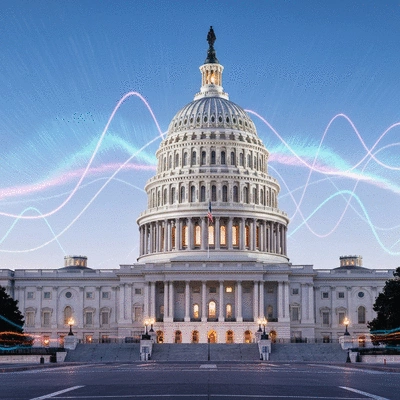
Stylized image of the U.S. Capitol Building with light trails indicating government functions

The executive departments work directly under the President and play a significant role in shaping policy and managing public services. As someone who's passionate about civic engagement, I believe grasping this structure can empower you as a future leader or active citizen!

Defining the Role of Executive Departments in the U.S. Government

The executive departments serve as the backbone of the federal government. They help translate the President's policies into action and provide essential services to the public. Here are some key roles they play:

  • Implementing federal laws and regulations
  • Managing government programs and services
  • Providing information and assistance to citizens
  • Advising the President on specific issues

Understanding these roles not only gives you insight into how the government functions but also highlights the importance of accountability and transparency within these departments. Each department has a unique mission that contributes to the overall effectiveness of government operations. You can find a comprehensive list of federal agencies and departments on USA.gov.

Overview of the President's Cabinet and Its Importance

The President's Cabinet is composed of the heads of each executive department and serves as an advisory body to the President. This group is crucial for informed decision-making and policy development. Here’s why the Cabinet matters:

  • It provides diverse perspectives on national issues.
  • Cabinet members help implement strategies within their domains.
  • They ensure communication between the executive branch and the public.

In essence, the Cabinet embodies the collaborative nature of governance. By learning about the Cabinet and its members, you can better understand how policies are shaped and the impact these decisions have on our daily lives. If you're considering a path in public service, this knowledge will be invaluable as you prepare for your journey!

Comprehensive Breakdown of the 15 Federal Executive Departments

Now that we've covered the foundational aspects of executive departments and the Cabinet, let's dive into a detailed look at each of the 15 federal executive departments. Understanding their roles and responsibilities can provide you with a clearer picture of how our government operates. For more detailed information on each of the federal executive departments, Wikipedia offers a useful overview of their functions and history.

Interactive Poll: Your Thoughts Matter!

How confident do you feel about engaging with the federal executive departments? Select your response below:

Frequently Asked Questions (FAQs)

Q1: What are the primary functions of the U.S. federal executive departments?

A1: The primary functions include implementing federal laws and regulations, managing government programs and services, providing information and assistance to citizens, and advising the President on specific issues.

Q2: How many federal executive departments are there?

A2: There are 15 federal executive departments in the U.S. government.

Q3: What is the President's Cabinet, and why is it important?

A3: The President's Cabinet consists of the heads of each executive department and serves as an advisory body to the President. It is important because it provides diverse perspectives on national issues, helps implement strategies within their domains, and ensures communication between the executive branch and the public.

Q4: Why is it important for citizens to understand these departments?

A4: Understanding these departments fosters informed decision-making during elections, simplifies access to government services, and creates opportunities for citizens to advocate for policies that matter to them.

Q5: How can citizens engage with the federal government to access services or information?

A5: Citizens can engage by visiting official department websites, utilizing customer service channels (phone or email), and participating in town halls or local events to express concerns and ask questions.

Q6: What is the role of the Federal Bureau of Prisons (BOP)?

A6: The BOP focuses on rehabilitation programs to prepare inmates for reintegration into society, ensures the safety and security of both inmates and staff, and collaborates with local communities to address recidivism and promote public safety.

Summarizing the Roles of the Federal Executive Departments

Understanding the roles of federal executive departments is essential for every citizen. These departments are crucial in implementing government policies and serving the public. By grasping their functions, we empower ourselves to engage more effectively with our government and advocate for our communities.

A diverse group of citizens actively participating in a community town hall meeting, hands raised to ask questions

Each department has a specific mission that contributes to the overall functioning of the government. This awareness helps demystify the complexities of our political system, making it easier to navigate and engage with. As someone passionate about civic engagement, I encourage you to explore how these departments impact your life!

Why Understanding These Departments Matters to Citizens

Knowledge of the federal executive departments enhances our ability to participate in democracy. Here’s why it’s important:

  • Informed Decision-Making: By understanding what each department does, you can make more informed choices at the ballot box.
  • Access to Services: Knowing which department handles specific issues means you can quickly find the help or information you need.
  • Advocacy Opportunities: Awareness of departmental roles opens doors for citizens to advocate for policies that matter to them.

These factors not only encourage civic involvement but also build a more engaged and informed electorate. As aspiring leaders, this insight is invaluable for your future campaigns!

Engaging with Your Government: How to Access Services and Information

Engagement with your government can feel overwhelming, but it doesn’t have to be! Here are some straightforward ways to access services and information:

  • Visit Official Websites: Each department has a website where you can find resources and contact information.
  • Utilize Customer Service: Don’t hesitate to call or email departments for assistance—they’re there to help!
  • Participate in Town Halls: Attend local events to ask questions and express your concerns directly to representatives.

By taking these steps, you can foster a strong connection with your government. Remember, your voice matters, and these resources are just a click or call away!

The Importance of the Federal Bureau of Prisons and Its Role in Justice

The Federal Bureau of Prisons (BOP) plays a critical role in ensuring justice within our society. Its responsibilities extend beyond simply holding inmates. Here are some key functions:

  • Rehabilitation Programs: The BOP focuses on rehabilitation to prepare inmates for successful reintegration into society.
  • Safety and Security: Ensuring the safety of both inmates and staff is a top priority.
  • Community Impact: The BOP collaborates with local communities to address recidivism and promote public safety.

Understanding the BOP's mission helps us recognize the complexities of the justice system and the importance of rehabilitation. As I guide you through this process, remember that our collective efforts can drive meaningful change in our communities!

Recap of Key Points

Here is a quick recap of the important points discussed in the article:

  • Role of Executive Departments: They implement federal laws, manage programs, provide citizen assistance, and advise the President.
  • Importance of the President's Cabinet: The Cabinet offers diverse perspectives and aids in strategy implementation within their specific departments.
  • Engagement with Government: Citizens should utilize official websites, customer service, and participate in town halls to access information and services.
  • Understanding the Federal Bureau of Prisons: The BOP focuses on rehabilitation, safety, and community impact, emphasizing the importance of justice in society.
  • Empowerment through Knowledge: Awareness of executive departments enhances informed decision-making and advocacy opportunities for citizens.
About !author

Jordan L. Hayes

Jordan L. Hayes is a dedicated advocate for civic engagement and public service. With a background in political science and years of experience working on various campaigns, Jordan is passionate about empowering individuals to take the step into public office. Through clear, accessible guidance, he aims to demystify the electoral process and inspire the next generation of leaders.

Popular Posts

Crafting Your Unique Candidate Story Crafting Your Unique Candidate Story What if your story could be the key to winning an election? A compelling candidate narrative not only connects with voters but also establishes trust and relatability. Here’s how to craft yours effectively. What You Will Learn The importance of a candidate story in establishing emot
Am I Ready to Run? How to Decide If You’re Ready to Run for Office As you contemplate the exciting journey of public service, understanding your readiness to run for office is essential. What truly drives you to seek this path? Let's explore the vital considerations that will help you find clarity and direction on your political journey. What You Will Learn The
Understanding the US Supreme Court Understanding the US Supreme Court What if decisions made by nine individuals could alter the course of history? The Supreme Court of the United States holds that power, influencing the lives of millions through its rulings. Understanding its role is not just for legal scholars; it is essential for every citizen who wishes to engage
Understanding Write-In Candidates Today Write-In Candidates: Rules Risks and Realistic Expectations Have you ever considered the power of a write-in candidate? This unconventional approach to running for office can be both challenging and rewarding. Understanding the rules and strategies behind it is crucial for success. What You Will Learn A write-in candidate is someone who can receive
Overview of Federal Executive Departments Overview of Federal Executive Departments Understanding the intricacies of the U.S. federal executive departments is not only essential for civic engagement but also empowers aspiring leaders to navigate the political landscape effectively. Are you ready to dive into the structure that shapes our government? What You Will Learn Th
Local Election FEC Filing Guide Local Election FEC Filing Guide Ever wondered how mastering the complexities of FEC filing can elevate your local campaign? Understanding these regulations is not just about compliance; it's about building trust and credibility with your community. Let's explore the crucial insights that can guide you through this essential proces