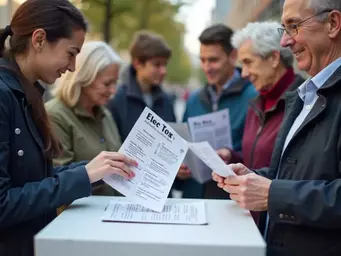
Understand Your Audience
- Demographics & Psychographics: Age, interests, values.
- Pain Points & Motivations: Economic, social, community needs.
- Segmentation: Tailor messages for specific groups.
Your campaign message is the backbone of your political outreach, and crafting it effectively can set you apart from the competition. By understanding your audience and aligning your values with their needs, you can create a message that not only resonates but inspires action!
Crafting a successful campaign involves understanding your audience, building a strong core message, and leveraging tools for continuous improvement. The visual below highlights the essential steps and considerations for any aspiring candidate.
Are you ready to make your mark on the political landscape? Crafting a core campaign message is one of the most important steps you can take as an aspiring candidate. Your message not only represents your values and goals but also resonates with voters. Let's dive into the essentials of building an effective campaign strategy that speaks directly to your audience!
First things first: understanding your audience is crucial. Who are you talking to? What do they care about? By answering these questions, you can tailor your message to connect with the people you want to serve.
Start by identifying key demographics like age, gender, and location. But don’t stop there! Dig deeper into psychographics, which include interests, values, and lifestyle choices. This will help you create messaging that truly speaks to your audience.
Next, recognize the pain points your audience faces. This could range from economic struggles to social issues that matter to them. By addressing these concerns, you can position yourself as a solution to their problems! For further insights into identifying community needs, refer to this authority source on assessing community health needs.
Once you understand your audience, consider segmenting them into groups. Tailoring messages for specific segments can greatly enhance your campaign's effectiveness. Each group may respond better to different aspects of your platform, so adapt accordingly!
With a clear grasp of your audience, it's time to craft a strong core message. Your campaign's message should encapsulate why you are the best choice for the position you're pursuing.
Your value proposition is what sets you apart from your competitors. Be sure to articulate it clearly. What unique experiences or skills do you bring to the table? This clarity will strengthen your appeal to voters!
Next, create a messaging framework that aligns with your audience's values and concerns. This will provide a cohesive structure for your campaign communications, making it easy for supporters to understand your vision. You can find more information about creating a strategic brand messaging framework here.
Finally, incorporate your brand positioning into your messaging. This includes your campaign's tone, visuals, and overall vibe. Consistency in these elements fosters trust and familiarity with potential voters! For essential elements for brand communications, this resource provides valuable insights.
As you develop your messages, it's vital to maintain both consistency and authenticity. Voters appreciate candidates who are genuine, and keeping your messaging aligned with your core values will build credibility.
Your tone should match your audience's expectations. If your constituents value a formal approach, adapt accordingly! If they prefer a more casual tone, let your personality shine through. Remember, authenticity engages!
Use a variety of channels to reach your audience, but make sure your message remains consistent. This could be through social media, flyers, or town hall meetings. An organized approach will reinforce your campaign’s identity.
Lastly, set up a communication plan that allows for cohesive engagement. A clear plan will help your team stay on track and ensure that your message is effectively delivered across all platforms.
Now, let's focus on some key components that will ensure your campaign strategy is effective. These elements will help you set clear objectives and make informed decisions throughout your campaign journey.
Start with SMART goals: Specific, Measurable, Achievable, Relevant, and Time-bound. This framework will guide your planning and keep your campaign focused and on track.
Next, determine which media channels will best reach your target audience. Whether it's social media, traditional mail, or community events, selecting the right channels is key to your outreach strategy!
Finally, develop a budgeting plan. Allocate your resources wisely to ensure that every dollar spent contributes to achieving your campaign goals. A well-thought-out budget is critical for your campaign's success!
To fine-tune your messaging, use various tools and techniques for message testing. Understanding what resonates with your audience can significantly enhance your campaign’s effectiveness!
Consider using AI and A/B testing to optimize your messages. A/B testing allows you to gauge which messages perform better among your audience, ensuring that you invest your efforts in what works!
Set up feedback mechanisms to gather insights from your supporters. This could be through surveys or community forums. Understanding their thoughts can help you adjust your approach as needed.
Finally, leverage analytics tools to measure your campaign's performance. By tracking engagement and response rates, you can identify areas for improvement and celebrate your successes along the way!
Let’s look at some real-world case studies to understand how effective messaging can lead to campaign success. Learning from others can provide valuable insights for your own journey!
Examine the return on investment (ROI) from campaigns that succeeded in building strong messages. Understanding what worked for others can inspire your strategies!
Take notes from nonprofit campaigns that have effectively inspired action. Their strategies often emphasize emotional connections and community engagement.
Finally, look at performance metrics to evaluate the effectiveness of your campaign. Metrics like voter turnout and engagement rates will help you gauge your success and areas for growth!
In today's world, integrating multi-channel strategies can help broaden your reach significantly. The more platforms you utilize, the more potential voters you can engage!
Start by setting up omnichannel workflows that ensure a seamless experience for your audience. This includes synchronized messaging across different platforms to enhance recognition and trust.
Don’t forget the power of visual branding and storytelling! They can create emotional connections with potential voters. Share your story and how it relates to the issues your audience cares about!
Lastly, a solid social media strategy is essential. Use these platforms to interact with your audience directly and share your campaign updates. Engaging with voters online can significantly enhance your brand awareness!
When crafting your core campaign message, consider using storytelling techniques to create a personal connection with your audience. Share your journey, motivations, and the challenges you've overcome. This not only humanizes your campaign but also helps voters relate to you on a deeper level, fostering trust and engagement.
As we wrap up our discussion on crafting your campaign message, it’s crucial to reflect on the key components that contribute to a successful strategy. Authenticity in messaging is essential for connecting with your audience and can significantly impact your overall campaign effectiveness. By understanding your audience, building a strong core message, and maintaining consistency, you set the stage for engaging and impactful outreach!
To build core messages that resonate, consider the following essential elements:
With these elements in mind, you can create a core message that not only captures attention but also drives action. Remember, the role of continuous adaptation in your campaign strategy is paramount. As you engage with your audience and gather feedback, be prepared to tweak your messaging to better fit their evolving needs.
Taking the next steps in your campaign journey is easier with the right resources. Here are some valuable tools and opportunities to help you on your path:
By leveraging these resources, you’ll enhance your ability to connect with voters and craft a campaign that truly reflects your values and vision. Let's get started on making your impact in public service—together, we can pave the way for a brighter, more engaged future!
Here is a quick recap of the important points discussed in the article:
Jordan L. Hayes is a dedicated advocate for civic engagement and public service. With a background in political science and years of experience working on various campaigns, Jordan is passionate about empowering individuals to take the step into public office. Through clear, accessible guidance, he aims to demystify the electoral process and inspire the next generation of leaders.