Local Election Ballot Access Rules
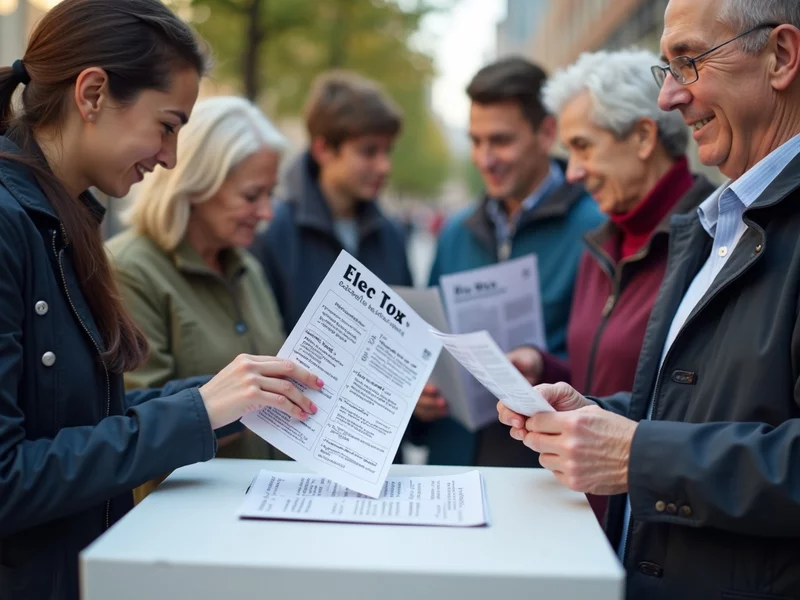
Are you ready to make a difference in your community but unsure about the first steps to running for office? Understanding ballot access is essential for every aspiring candidate. Let's uncover the key insights that will empower you to navigate the electoral landscape confidently.
What You Will Learn
- The importance of understanding eligibility criteria, including age, residency, and legal restrictions for candidates.
- The specific processes for filing nomination papers and the significance of complying with local election laws.
- Why local election rules vary across states and how this affects your candidacy.
- The crucial role of election law in shaping fair and transparent electoral processes.
- General qualifications necessary to run for city council and school board positions.
- How community involvement can enhance your candidacy and foster voter engagement.
Ballot Access & Eligibility for Local Elections
Navigating the requirements for running for local office, such as City Council or School Board, involves specific eligibility criteria and processes. The following outlines key aspects for aspiring candidates.
City Council Candidate Qualifications
- ✓ Age: At least 18 years old
- ✓ Residency: Reside in district
- ✓ Financial: Disclose interests
School Board Candidate Eligibility
- ★ Residency: Resident of the district
- ★ Nomination: Voter nomination may be required
- ★ Background Checks: May be required by state
Key Ballot Access Components
- ● Eligibility: Age, residency, legal restrictions
- ● Filing: Nomination papers or petitions
- ● Compliance: Adherence to local election laws
The Role of Election Law
- ◆ Fairness: Level playing field for candidates
- ◆ Transparency: Disclosure of funding, strategies
- ◆ Protection: Qualified candidates, fair elections
Understanding Ballot Access for Local Elections
When you're considering running for office, understanding ballot access is crucial, especially for local elections like city council and school boards. Ballot access refers to the legal requirements and procedures that candidates must meet to get their names on the ballot. Without meeting these requirements, even the most passionate candidates can find themselves sidelined! It’s vital to know what this means for your candidacy. For a broader understanding of how ballot access laws operate across different jurisdictions, you can refer to this Wikipedia article on Ballot Access.
For city council and school board candidates, ballot access often involves navigating local and state laws, which can sometimes feel overwhelming. Each type of office has specific regulations that govern who can run and how they can do so. Therefore, being well-informed can make all the difference in your campaign journey.
What Does Ballot Access Mean for City Council and School Board Candidates?
Ballot access for candidates involves a variety of factors. Here are some key components:
- Eligibility criteria such as age, residency, and any existing legal restrictions
- The process of filing nomination papers or petitions
- Compliance with local election laws to ensure transparency and accountability
Understanding these components helps clarify what is required to successfully place your name on the ballot. For example, city council candidates often need to gather signatures from registered voters within their district, while school board candidates may have their own unique rules depending on the school district.
Why Local Election Rules Vary Across States
One reason local election rules can vary significantly across states is due to the decentralized nature of our electoral system. Each state has the authority to establish its own rules, which can lead to an array of regulations concerning ballot access. This means that what's necessary in one state might not apply in another!
Moreover, factors like state population, political culture, and historical context all play a role in shaping these rules. For instance, some states may be more lenient in their requirements, while others might impose stricter guidelines, reflecting their specific values and priorities when it comes to civic participation.
The Role of Election Law in Shaping Ballot Access
Election law serves as the backbone of ballot access, regulating how candidates can enter the political arena. It establishes the standards and procedures that must be adhered to by all aspiring candidates, ensuring fairness and integrity in the electoral process. Here’s why it matters: The First Amendment also plays a role in ballot access, protecting free speech and association rights for candidates and voters, as further detailed by the First Amendment Encyclopedia.
- It creates a level playing field by ensuring that all candidates meet the same standards.
- It promotes transparency by requiring candidates to disclose their funding sources and campaign strategies.
- It protects voters by ensuring that candidates are qualified and that elections are conducted fairly.
By understanding election law, you can better navigate the complexities of running for local office. Remember, a solid foundation in these regulations can empower you to make informed decisions as you embark on your campaign!
Navigating Eligibility Requirements for Local Offices
As you start your journey towards running for office, knowing the eligibility requirements is essential. Each local office typically has its own set of qualifications that you need to meet before you can officially declare your candidacy.
In this section, we’ll explore the general qualifications needed to run for city council and delve into the specific requirements for school board candidates. Let’s break it down!
General Qualifications for Running for City Council
Running for city council can be a fulfilling way to make a difference in your community. To get started, here are the general qualifications you’ll usually need to meet:
- Age: Most states require candidates to be at least 18 years old.
- Residency: You must usually reside in the city or district you intend to represent.
- Financial Interests: Candidates may need to disclose any financial interests that could create conflicts.
Understanding these qualifications ensures you’re ready to meet the necessary standards for your candidacy. It’s always a good idea to check your local requirements, as they can vary!
Age, Residency, and Financial Interests
Let’s take a closer look at the specifics:
- Age Requirement: Being of voting age is a fundamental requirement.
- Residency Requirement: Ensure you’ve lived in your district for the required period before the election.
- Financial Interests: Disclosures help maintain transparency with your future constituents.
These foundational elements not only prepare you for candidacy but also build trust within your community.
Understanding School Board Candidacy Eligibility
When it comes to running for a position on the school board, the eligibility requirements are similarly structured but may include additional stipulations. Knowing these can greatly enhance your campaign strategy.
- Educational Background: Some jurisdictions may require candidates to have specific educational qualifications.
- Parent or Guardian Status: In many districts, candidates must be parents or guardians of children enrolled in the schools.
- Community Involvement: Active participation in school or community events may be favorable.
By understanding these requirements, you position yourself as a serious contender for a school board position!
Specific Requirements for School Board Candidates
Here are a few specific eligibility requirements you might encounter:
- Residency: Like city council candidates, school board candidates must be residents of the district.
- Nomination Process: Some areas may require candidates to be nominated by a specific number of registered voters.
- Background Checks: Depending on the state, candidates may need to undergo background checks for transparency.
Understanding these specific requirements can help streamline your campaign planning and ensure compliance with local laws.
Exploring Candidate Qualifications: What You Need to Know
As you prepare to run for office, keep in mind that being informed about the qualifications for your desired position will empower you in your candidacy. This preparatory step can help you present yourself confidently to your constituents!
Additionally, I encourage you to visit How To Run For Office for tailored resources and checklists that simplify these processes. We aim to ensure you feel prepared and informed every step of the way!
Pro Tip
As you prepare for your candidacy, consider forming a support group with fellow aspiring candidates. Sharing experiences, challenges, and insights can provide invaluable support and encouragement. This collaborative approach not only enhances your understanding of the election process but also builds a network of allies that can help amplify your campaign message!
Summary of Ballot Access Insights for Local Elections
As we wrap up our discussion on ballot access for local elections, it’s important to distill the key insights that can help you, as an aspiring candidate, navigate this complex landscape. Understanding the various requirements specific to city council and school board positions is vital for a successful campaign. This journey isn’t just about getting on the ballot; it’s about ensuring you’re fully equipped to represent your community effectively!
Here are some key takeaways to consider:
- Understand the eligibility requirements for your specific role.
- Be aware of the filing process and deadlines unique to your locality.
- Engage with your community to boost voter turnout.
Key Takeaways on Running for City Council and School Board
Running for local office, whether it’s city council or the school board, involves meeting specific criteria. Generally, candidates must be residents of the area they wish to represent, possess a certain age, and have no significant financial conflicts of interest. Additionally, the support of your community is crucial—effective campaigns resonate with voters!
Here’s a concise breakdown of what to keep in mind:
- Check your local election office for specific qualifications.
- Gather insights from current or past officeholders for guidance.
- Connect with community organizations that can offer support.
Addressing Common Questions About Eligibility and Requirements
You might have questions about your eligibility and the nuances of the requirements. For instance, many aspiring candidates wonder if their previous involvement in local issues affects their chances. The answer is a resounding yes! Being active in local community initiatives can bolster your credibility and demonstrate your commitment.
Additionally, don’t hesitate to reach out to local election officials—they're there to help! Here’s a quick list of frequently asked questions:
Frequently Asked Questions About Running for Local Office
- What is ballot access?
- Ballot access refers to the legal requirements and procedures candidates must satisfy to have their names listed on the official ballot for an election.
- What are the general eligibility requirements for City Council candidates?
- Generally, City Council candidates must be at least 18 years old, reside in the district they wish to represent, and disclose any potential financial conflicts of interest.
- What are the specific eligibility requirements for School Board candidates?
- School Board candidates typically need to be residents of the district, and some jurisdictions may require specific educational qualifications, parent/guardian status, or voter nomination. Background checks may also be required.
- Why do local election rules vary by state?
- Local election rules vary due to the decentralized nature of the U.S. electoral system, allowing each state to set its own regulations based on factors like population, political culture, and historical context.
- How does election law ensure fair elections?
- Election law ensures fairness by setting consistent standards for all candidates, promoting transparency through disclosure requirements, and protecting voters by ensuring qualified candidates and fair election conduct. The U.S. Constitution's Fourteenth Amendment also provides protections related to equal access to the ballot.
Understanding these aspects of ballot access is crucial for a successful campaign.
Understanding the Importance of Voter Turnout and Civic Engagement
The success of any election hinges on voter turnout. Engaging your community is essential, as a high voter turnout reflects a healthy democracy. It’s not just about the number of votes; it’s about ensuring that your constituents feel heard and valued. As you campaign, make it a priority to educate voters on the issues at stake and the importance of their participation.
Encouraging civic engagement can take many forms, including:
- Hosting town hall meetings for open dialogue.
- Utilizing social media to spread awareness about your campaign.
- Collaborating with local groups to mobilize voters.
Taking the First Step in Your Local Election Journey
As you embark on your path to public service, remember that the first step is often the hardest. However, with the right resources and support, you can navigate the challenges ahead. The resources available at How To Run For Office are designed to guide you through each phase of your campaign, providing clarity in the often murky waters of election rules.
Resources for Further Information on Local Election Rules
Don’t underestimate the power of knowledge! Familiarizing yourself with local election rules can make a significant difference in your campaign. Consider visiting the following resources for detailed information:
- Your local election office website.
- State election board resources.
- Civic engagement organizations that offer workshops.
Encouragement to Participate in Local Governance
As a potential candidate, I wholeheartedly encourage you to take the leap into local governance. Your voice matters, and your perspective can inspire others to join the conversation. Remember, every great leader was once a candidate, just like you!
The Role of Advocacy Groups in Supporting Candidates
Advocacy groups play a crucial role in helping candidates navigate their journey. They offer resources, training, and sometimes even funding to support aspiring leaders. Connecting with these organizations not only broadens your understanding of the electoral process but also helps build a network of support.
In conclusion, diving into the world of local elections may feel daunting, but with the right tools and insights, you can forge ahead with confidence. Let’s get started on this exciting journey together!
Recap of Key Points
Here is a quick recap of the important points discussed in the article:
- Understand the specific eligibility requirements for your desired local office.
- Familiarize yourself with the filing process and deadlines unique to your locality.
- Engage with your community to boost voter turnout and civic participation.
- Connect with local election officials for guidance on compliance and requirements.
- Utilize available resources to navigate the complexities of running for office.

Jordan L. Hayes
Jordan L. Hayes is a dedicated advocate for civic engagement and public service. With a background in political science and years of experience working on various campaigns, Jordan is passionate about empowering individuals to take the step into public office. Through clear, accessible guidance, he aims to demystify the electoral process and inspire the next generation of leaders.
Popular Posts
Understanding Campaign Roles Basics
![Understanding Campaign Roles Basics]() What if the success of your political campaign hinges on the clarity of your team's roles? Understanding the specific responsibilities of each member can significantly enhance your campaign's effectiveness and cohesion, allowing for a more focused approach to achieving your goals.
What You Will L
What if the success of your political campaign hinges on the clarity of your team's roles? Understanding the specific responsibilities of each member can significantly enhance your campaign's effectiveness and cohesion, allowing for a more focused approach to achieving your goals.
What You Will L
 What if the success of your political campaign hinges on the clarity of your team's roles? Understanding the specific responsibilities of each member can significantly enhance your campaign's effectiveness and cohesion, allowing for a more focused approach to achieving your goals.
What You Will L
What if the success of your political campaign hinges on the clarity of your team's roles? Understanding the specific responsibilities of each member can significantly enhance your campaign's effectiveness and cohesion, allowing for a more focused approach to achieving your goals.
What You Will L
Running for Office in Georgia
![Running for Office in Georgia]() Have you ever thought about making a real difference in your community? Running for office in Georgia could be your chance to step up and be a voice for change. Here's what you need to know to get started!
What You Will Learn
To run for office in Georgia, candidates must be at least 25 yea
Have you ever thought about making a real difference in your community? Running for office in Georgia could be your chance to step up and be a voice for change. Here's what you need to know to get started!
What You Will Learn
To run for office in Georgia, candidates must be at least 25 yea
 Have you ever thought about making a real difference in your community? Running for office in Georgia could be your chance to step up and be a voice for change. Here's what you need to know to get started!
What You Will Learn
To run for office in Georgia, candidates must be at least 25 yea
Have you ever thought about making a real difference in your community? Running for office in Georgia could be your chance to step up and be a voice for change. Here's what you need to know to get started!
What You Will Learn
To run for office in Georgia, candidates must be at least 25 yea
Running for Office in California
![Running for Office in California]() Are you ready to turn your passion for public service into action? Many aspiring candidates find themselves asking the same question: "What are the first steps to running for office in California?" Understanding the requirements and processes involved can set the stage for a successful campaign. Let
Are you ready to turn your passion for public service into action? Many aspiring candidates find themselves asking the same question: "What are the first steps to running for office in California?" Understanding the requirements and processes involved can set the stage for a successful campaign. Let
 Are you ready to turn your passion for public service into action? Many aspiring candidates find themselves asking the same question: "What are the first steps to running for office in California?" Understanding the requirements and processes involved can set the stage for a successful campaign. Let
Essential Campaign Finance Laws Explained
![Campaign Finance Laws Every Candidate Must Understand]() Are you prepared to navigate the intricate world of campaign finance laws? Understanding these regulations is not just beneficial; it’s essential for any aspiring candidate aiming for transparency and credibility. Let's dive into the key takeaways that will equip you for your journey in public ser
Are you prepared to navigate the intricate world of campaign finance laws? Understanding these regulations is not just beneficial; it’s essential for any aspiring candidate aiming for transparency and credibility. Let's dive into the key takeaways that will equip you for your journey in public ser
 Are you prepared to navigate the intricate world of campaign finance laws? Understanding these regulations is not just beneficial; it’s essential for any aspiring candidate aiming for transparency and credibility. Let's dive into the key takeaways that will equip you for your journey in public ser
Know Your Campaign Contribution Limits
![Know Your Campaign Contribution Limits]() Consider this: navigating the complexities of campaign finance can feel like wandering through a maze without a map. Understanding what constitutes prohibited campaign contributions is essential for any aspiring candidate looking to run an ethical campaign. Let’s break down the key insights that w
Consider this: navigating the complexities of campaign finance can feel like wandering through a maze without a map. Understanding what constitutes prohibited campaign contributions is essential for any aspiring candidate looking to run an ethical campaign. Let’s break down the key insights that w
 Consider this: navigating the complexities of campaign finance can feel like wandering through a maze without a map. Understanding what constitutes prohibited campaign contributions is essential for any aspiring candidate looking to run an ethical campaign. Let’s break down the key insights that w
Running for Office in Kansas
![Running for Office in Kansas]() Are you ready to step into the political arena and make a difference in your community? Understanding the specific requirements and processes for running for office in Kansas is crucial to your success. Here’s what you need to know to embark on this exciting journey! What You Will Learn Eligibil
Are you ready to step into the political arena and make a difference in your community? Understanding the specific requirements and processes for running for office in Kansas is crucial to your success. Here’s what you need to know to embark on this exciting journey! What You Will Learn Eligibil
 Are you ready to step into the political arena and make a difference in your community? Understanding the specific requirements and processes for running for office in Kansas is crucial to your success. Here’s what you need to know to embark on this exciting journey! What You Will Learn Eligibil