Foundational Ethics
- Transparency in processes
- Accountability among candidates
- Fostering public trust
Outcome: Enhanced reputation & informed electorate.
As you venture into the world of political campaigning, understanding the ethics surrounding it is not just advisable—it's essential. How can you ensure your message resonates with integrity? By learning the key principles of campaign ethics and avoiding common pitfalls, you can cultivate trust and transparency in your electoral journey.
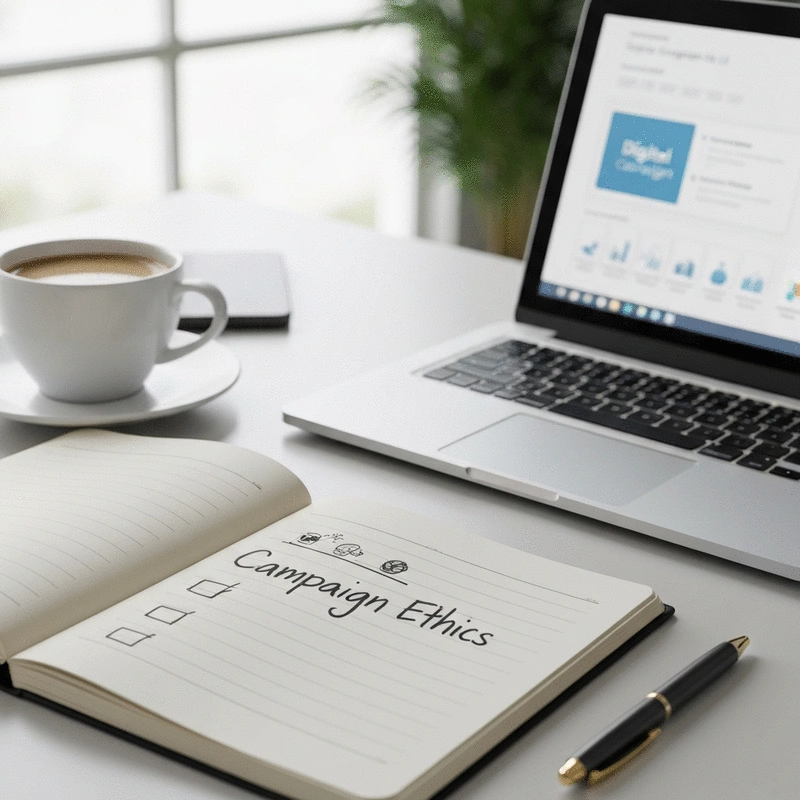
This visual outlines key areas to ensure ethical campaigning and build public trust.
Outcome: Enhanced reputation & informed electorate.
Risk: Legal consequences & public distrust.
Benefit: Avoid violations & inspire trust.
Goal: Maintain transparency & ethical standards.
When embarking on your journey in politics, understanding campaign ethics is essential. Ethics play a crucial role in maintaining electoral integrity and public trust. Without a firm grasp of ethical standards, candidates risk undermining their credibility and, ultimately, their campaigns. As I often remind my students, ethical campaigning is not just about following the rules; it’s about building relationships and fostering a culture of transparency and responsibility.
In this section, we will explore the significance of campaign ethics, outline common violations, and discuss the impact of misleading advertisements on voter trust. By the end, you will have a solid foundation to navigate the complex landscape of campaign ethics.
Campaign ethics refers to the principles and standards that govern the conduct of candidates and their teams during the electoral process. These ethics ensure that campaigns operate fairly and transparently, which is vital for a healthy democracy. If candidates adhere to ethical practices, they not only enhance their own reputation but also uplift the entire political system.
As someone passionate about civic engagement, I believe that when candidates prioritize ethics, it helps cultivate a more informed electorate. Voters are more likely to participate when they feel confident that they are supporting honest candidates. For example, the U.S. House of Representatives Committee on Ethics provides comprehensive guidelines to help candidates and their staff navigate these complex issues, emphasizing the importance of ethical conduct in maintaining public confidence.
Understanding the common types of campaign ethics violations can help you avoid pitfalls that might jeopardize your campaign. Here are some frequent issues to be aware of:
By familiarizing yourself with these violations, you can set a strong ethical foundation for your campaign. Remember, integrity should be at the forefront of every decision you make! The U.S. Senate Select Committee on Ethics offers valuable resources on campaign activity, highlighting practices to avoid and ensuring compliance with ethical standards.
Misleading advertisements can have a detrimental effect on voter trust and engagement. When candidates resort to unethical advertising practices, they risk alienating potential supporters and damaging their reputation. Voters expect honesty and transparency; when these expectations are not met, trust erodes.
As you plan your campaign strategies, prioritize ethical advertising. Engaging with your audience through truthful messaging not only builds trust but also fosters long-lasting connections within your community. The House Committee on Ethics' 2024 Campaign Activity Guidance further details what constitutes appropriate campaign behavior, including advertising standards.
Now that we've covered the fundamentals of campaign ethics, let’s dive into actionable steps you can take to ensure compliance. Having a checklist can help you stay organized and focused on ethical practices throughout your campaign journey.
Here's a straightforward checklist to help you maintain compliance while running your campaign:
Following this checklist will not only help you avoid violations but also empower you to run a campaign that inspires trust and respect. Remember, every step you take toward transparency is a step toward a successful campaign!
As a candidate, it’s essential to understand lobbying ethics and regulations, including the Lobbying Disclosure Act. This act requires lobbyists to register and report their activities to ensure transparency and accountability in political influence.
Here are key points to keep in mind:
Being informed about these regulations will help you navigate the complexities of lobbying while maintaining ethical standards.
Disclosure requirements are crucial for maintaining ethical standards in political campaigns. They provide transparency in financial dealings and campaign activities, which reinforces public confidence in the electoral process.
Transparency is not just a requirement; it’s a commitment to honesty that resonates with voters. By prioritizing disclosure, you demonstrate your dedication to ethical campaigning!
The core principles of campaign ethics revolve around promoting transparency in electoral processes, encouraging accountability among candidates, and fostering public trust and civic engagement.
Common violations include accepting improper contributions, failing to disclose campaign finances or conflicts of interest, and misusing campaign funds for personal expenses.
Misleading advertisements can severely undermine a candidate's credibility, discourage voter participation, and contribute to a toxic political environment by eroding public trust in the electoral process.
The Lobbying Disclosure Act requires lobbyists to register and report their activities, ensuring transparency and accountability in political influence. It is important for maintaining ethical standards and preventing undue influence in campaigns.
Disclosure requirements are crucial because they ensure transparency in financial dealings and campaign activities, reinforcing public confidence in the electoral process and demonstrating a commitment to honesty.
As you reflect on the importance of campaign ethics, we want to know: What ethical challenges do you believe candidates face most during their campaigns? Share your thoughts below:
It’s crucial to understand the importance of maintaining ethical standards in your campaign. As we’ve discussed, following a structured checklist and adopting best practices can make a significant difference in your electoral journey. Here’s a quick recap of the essential strategies to keep you on the right path:
By adhering to these strategies, you can build a campaign that not only resonates with voters but also upholds the integrity that is necessary for public trust. Remember, a commitment to ethics enhances your credibility as a candidate and sets a standard for others in your community.
Now that you’re equipped with a solid understanding of campaign ethics, it’s time to take action! I encourage you to implement the checklist and best practices we’ve outlined. Start by developing a plan to track your campaign activities diligently.
Additionally, continue educating yourself about campaign ethics by seeking out resources from How To Run For Office. We offer downloadable guides and checklists to help you stay compliant and informed. If you haven’t already, subscribe to our newsletter for updates and insights into ethical campaigning!
Let’s make your campaign a beacon of integrity in the electoral process. Together, we can inspire trust in our democratic institutions and empower future leaders to follow in your footsteps!
Here is a quick recap of the important points discussed in the article:
Jordan L. Hayes is a dedicated advocate for civic engagement and public service. With a background in political science and years of experience working on various campaigns, Jordan is passionate about empowering individuals to take the step into public office. Through clear, accessible guidance, he aims to demystify the electoral process and inspire the next generation of leaders.