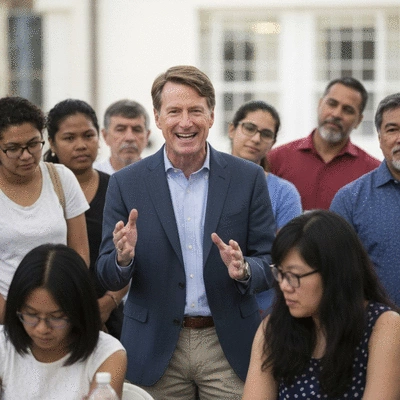
Authenticity & Trust Building
Sharing genuine stories fosters trust, showing vulnerability and resilience.
- Transparency
- Relatability
What if a single story could change the way voters perceive you? Personal storytelling in political campaigns is not just a strategy; it's a way to connect deeply with your audience, fostering trust and relatability. Below are the key takeaways that highlight the transformative power of personal narratives in your campaign.
To engage voters and build trust, political campaigns leverage personal stories through key techniques for authenticity, emotional connection, and enhanced voter engagement.
Sharing genuine stories fosters trust, showing vulnerability and resilience.
Inviting voters into your world creates shared purpose and engagement.
Structuring stories effectively to inform, inspire, and mobilize the audience.
Aligning personal stories with campaign values for a strong candidate brand.
Are you aware that a compelling personal story can be the backbone of your political campaign? At How To Run For Office, I firmly believe that personal narratives not only elevate your message but also create a powerful connection with voters. When you share your journey, you help people see the real you, enabling them to relate to your experiences and aspirations.
By weaving personal stories into your campaign narrative, you can transform the way potential voters perceive you. Instead of viewing you as just another candidate, they will see a genuine individual who understands their struggles and aspirations. This connection can be a game-changer when it comes to securing their support!
Utilizing personal stories in your campaign narrative allows you to communicate your values and vision in a relatable way. Here are some important aspects to consider:
When voters feel that they know you on a personal level, they are more likely to invest their time and energy into your campaign. This connection is crucial in today's political landscape, where authenticity can set you apart from the competition. For additional insights on what makes a story truly impactful, you can refer to this resource on how to craft a good story.
Emotional connections drive voter engagement. When you tell your personal story, you're inviting voters into your world, helping them to empathize with your experiences. It's about more than just facts and figures; it's about feelings and shared experiences. Consider the following:
By connecting emotionally, you can foster a sense of community and shared purpose, leading to stronger voter support! The concept of the "Story of Self, Us, and Now" further elaborates on how personal narratives can mobilize communities and drive action, as explored by the Commons Social Change Library.
Effective storytelling requires more than just recounting events; it involves using techniques that engage and resonate with your audience. Here are some narrative methods to enhance your campaign:
By mastering these techniques, you'll craft narratives that not only inform but also inspire and mobilize your audience. Remember, a well-told story can be a powerful tool in shaping the perception of your campaign!
A: Personal storytelling fosters trust, relatability, and emotional connections with voters. It helps them see the candidate as a genuine individual who understands their struggles and aspirations, moving beyond just policies and instead connecting on a personal level.
A: Authenticity is crucial for building trust. When candidates share genuine stories, showing vulnerability and resilience, voters perceive them as sincere. This sincerity encourages deeper connections and genuine conversations, which are vital for campaign success.
A: Effective narrative techniques include structuring stories with clear story arcs (beginning, middle, end), introducing key figures for character development, and highlighting conflicts and their resolutions. These methods help to inform, inspire, and mobilize the audience.
A: Emotional connections invite voters into a candidate's world, fostering empathy and a sense of shared purpose. By highlighting shared values and relatable challenges, candidates can create a community feeling that drives stronger voter support and engagement.
A: Consistency in messaging across all platforms reinforces a candidate's personal brand. When personal stories align with campaign values and mission, it creates a strong, cohesive brand that resonates with voters, making the candidate more memorable and trustworthy.
What personal story do you believe could resonate most with your potential voters? Share your thoughts below:
When it comes to political campaigns, having an authentic voice is everything! Voters can easily spot insincerity, and they crave genuine connections with their candidates. This is where storytelling becomes a powerful tool. By weaving your personal experiences and values into your campaign messaging, you build trust and foster deeper connections with your audience.
Authenticity shines through when you share your true self with voters. It's about more than just presenting your policies; it’s about showing who you are as a person. Real stories resonate with people, making them feel seen and understood. This emotional connection can make all the difference in your campaign's success.
In my experience, candidates who embrace their true selves tend to connect better with voters. They inspire confidence and encourage others to share their stories too! Remember, your unique experiences and perspectives are what set you apart from others.
As you craft your campaign messaging, don’t hold back! Sharing real experiences, including struggles and triumphs, can spark deeper connections with voters. It's essential to humanize your campaign—show that you understand the challenges your constituents face.
By fostering an environment of openness and vulnerability, you not only establish credibility but also invite voters to engage with you on a more personal level. Your authentic voice can truly motivate others to join your cause!
Branding isn’t just for businesses—it’s crucial for political campaigns too! An authentic narrative can enhance your candidate brand and help voters understand what you stand for. The stories you tell should align with your campaign’s values and mission.
By curating your personal and campaign stories, you can create a strong brand that resonates with voters. Remember, the more authentic and relatable you are, the more likely people will rally behind your campaign! For further strategies on crafting compelling stories for marketing and campaigning, Forbes Communications Council offers valuable tips.
Here is a quick recap of the important points discussed in the article:
Jordan L. Hayes is a dedicated advocate for civic engagement and public service. With a background in political science and years of experience working on various campaigns, Jordan is passionate about empowering individuals to take the step into public office. Through clear, accessible guidance, he aims to demystify the electoral process and inspire the next generation of leaders.