Are you ready to embark on a transformative journey into public service? The path to running for office in Florida can be made clearer with essential knowledge and resources at your fingertips. Let’s empower your campaign with key insights!
What You Will Learn
To run for office in Florida, candidates must be U.S. citizens, residents for at least one year, and 18 years old by election day.
Candidates must file the appropriate DS-DE forms and documentation with their local elections office.
Key deadlines for the 2026 election cycle include candidate filing, petition verification, and qualifying periods.
Stay informed through official resources like the Florida Division of Elections for updates and specific filing requirements.
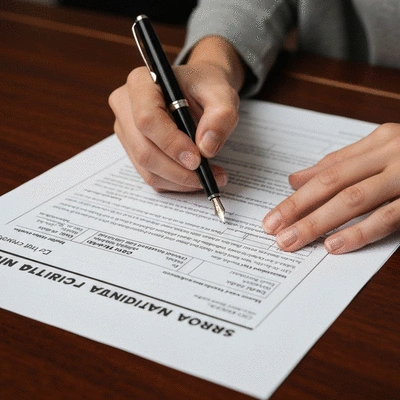
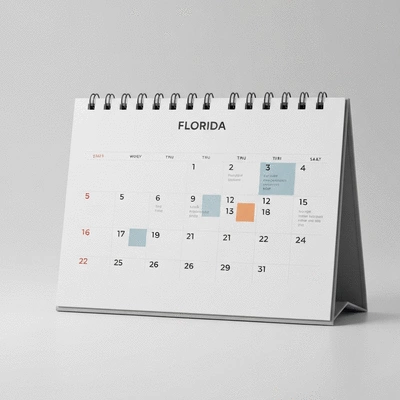
This visual outlines the core steps and requirements for individuals aspiring to run for office in Florida, from initial eligibility to key filing stages.
Gather Documentation: All required supporting papers.
File Qualifying Papers: With local elections office.
Key Deadlines (2026 Cycle Example)
Candidate Filing Deadline: Summer (specific date varies).
Petition Verification: Submit signatures for processing.
Qualifying Period: Brief window for paperwork.
Primary/General Elections: August / November.
Understanding the Path to Office in Florida
Are you considering a journey into public service in the Sunshine State? Understanding the path to office in Florida can empower you to take that first step with confidence! It may seem overwhelming at first, but I’m here to break it down into manageable parts.
In Florida, the requirements to become a candidate vary based on the office you wish to run for. Nevertheless, there are some essential criteria and processes that every aspiring candidate must navigate. Let’s dive into what you need to know!
Essential Requirements to Become a Candidate
Eligibility Criteria: Who Can Run for Office?
To run for office in Florida, you must meet a few basic eligibility criteria:
You must be a U.S. citizen.
You need to be a Florida resident for at least 1 year before qualifying.
You must be at least 18 years old by the time of the election.
You cannot be disqualified for any felony offense, unless your voting rights have been restored.
By understanding these criteria, you can determine if you’re ready to start your campaign. If everything checks out, let's move on to the next steps!
Residency and Party Affiliation Guidelines
Residency is crucial in Florida. You must live in the district from which you’re running. Additionally, if you plan to run as a member of a political party, you’ll need to be registered with that party. This is not a requirement for independent candidates, but it’s essential to understand your options. Party affiliation can significantly influence your campaign strategy!
Florida Age Requirements for Candidates
The age requirement is clear: candidates must be at least 18 years old on or before election day. This age stipulation ensures that candidates have reached legal adulthood, providing them the opportunity to represent their constituents responsibly.
If you’re under 18 but passionate about public service, consider starting by volunteering or engaging with community organizations. Your journey is just beginning!
Step-by-Step Process for Running for Office in Florida
Navigating the Filing Process: Initial Steps You Need to Take
Now that you know the eligibility criteria, it’s time to navigate the filing process. Here’s a quick overview of the initial steps:
Complete the necessary DS-DE forms for your specific office.
Gather any required documentation.
File your qualifying papers with the appropriate local elections office.
This initial phase is critical, and following these steps will set you up for success! Be sure to check specific requirements for your desired office, as they can vary.
Understanding the DS-DE Forms: What You Need to Know
The DS-DE forms are essential for your candidacy. Each form serves a unique purpose, so it’s vital to understand what each one entails. For instance:
DS-DE 9: Candidate Declaration of Intent
DS-DE 84: Appointment of Campaign Treasurer
These forms help establish your candidacy officially and ensure compliance with Florida's election laws. Remember, accuracy is critical in this stage!
Florida Candidate Declaration and Affidavit of Candidacy
Finally, you’ll need to complete a Candidate Declaration and Affidavit of Candidacy. This document declares your intention to run and affirms that you meet all eligibility requirements. It’s a straightforward process, but it’s a big step in solidifying your commitment to serve your community.
For more information and resources, don’t forget to check out our state-by-state running for office guide. You’ll find valuable insights that can help you navigate this exciting journey!
Additionally, if you want to understand the fundamentals of running for political office, you can check out this article on running for political office basics.
Pro Tip
As you prepare to file your candidacy in Florida, always double-check the specific filing deadlines and ballot access rules that apply to your desired office. This can save you from last-minute surprises and ensure your campaign starts on the right foot. Additionally, if you need to gather signatures for petitions, allow ample time for verification; processing can sometimes take longer than expected!
Important Considerations Before Filing
Before you dive into the exciting journey of running for office in Florida, it's vital to understand key deadlines and filing requirements. Every election cycle brings specific timelines that you'll need to keep in mind to ensure your candidacy is valid. I can’t stress enough how important it is to stay organized and informed as you navigate this process!
In this section, I’ll guide you through the essential dates and deadlines, which will help you prepare effectively. By breaking them down, you can avoid any last-minute scrambles!
Key Deadlines for Filing and Qualifying
Let's take a look at the critical timelines you should be aware of for the 2026 election cycle:
Candidate Filing Deadline: Typically, candidates must file their papers by a specific day, often in the summer before the election.
Petition Verification Period: This is when you must submit your signatures for verification; be sure to account for processing times!
Qualifying Period: Candidates must complete their qualifying paperwork within this designated window, often just a few days long.
Staying ahead of these dates will not only help you remain compliant but also give you the peace of mind to focus on campaigning effectively.
Timeline Overview for the 2026 Election Cycle
The timeline for the upcoming election can be quite specific. Here’s a general outline of what to expect:
January 2026: Official announcements of the election cycle.
March 2026: Start of the petition gathering period.
June 2026: Candidate filing and qualifying deadlines usually occur.
August 2026: Primary elections take place.
November 2026: General elections occur, where candidates seek to win their respective offices.
Filing your candidacy is a significant step towards public service, and being timely is part of ensuring your path is clear! For more insights on the initial steps of your candidacy, check out our article on getting on the ballot checklist.
Frequently Asked Questions About Running for Office in Florida
How much does it cost to run for office in Florida?
The cost to run for office in Florida can vary significantly depending on the office. While there might be qualifying fees, the main expenses typically come from campaign activities like advertising, staffing, and events. Some offices may allow for a petition process instead of a filing fee. It's best to consult the Florida Division of Elections Candidate Information for specific fee schedules.
How do I get on the ballot in Florida?
To get on the ballot in Florida, you must first meet eligibility requirements (U.S. citizen, Florida resident for 1+ year, 18+ by election day, voting rights restored if applicable). Then, you need to file the appropriate DS-DE forms (like DS-DE 9 and DS-DE 84) and your qualifying papers with the relevant elections office by the specified deadlines. Depending on the office and your party affiliation, this may involve paying a qualifying fee or submitting a certain number of valid petition signatures.
Can independent candidates run for office in Florida?
Yes, independent (No Party Affiliation - NPA) candidates can run for office in Florida. They must meet the same general eligibility requirements as partisan candidates but will follow different rules for ballot access, typically involving collecting a specific number of petition signatures rather than paying a party qualifying fee. Details can be found on the Florida Division of Elections website.
Where can I find official filing deadlines for candidates in Florida?
Official filing deadlines for candidates in Florida are published by the Florida Division of Elections and the Florida Secretary of State. These deadlines are crucial and can vary by election cycle and the specific office you are seeking. Always refer to these official sources for the most accurate and up-to-date information, including candidate campaign reports.
What are the petition/signature requirements for candidates in Florida?
Petition/signature requirements in Florida vary widely based on the office and whether you are running as a partisan or independent candidate. Generally, independent candidates and candidates for certain non-partisan offices are required to collect a specific percentage of registered voters' signatures within their jurisdiction. These signatures must be verified by the appropriate Supervisor of Elections. Consult the Florida Division of Elections candidate information for precise numbers and deadlines.
What are the official election authority resources for Florida candidates?
The primary official election authority resources for Florida candidates are the Florida Division of Elections and the Florida Secretary of State. These websites provide comprehensive guides, forms, deadlines, and contact information for candidates at all levels of government. It's also advisable to contact your local Supervisor of Elections office for county- or district-specific information.
Recap of Key Points
Here is a quick recap of the important points discussed in the article:
Ensure you meet the eligibility criteria: be a U.S. citizen, a Florida resident for at least one year, and at least 18 years old by election day.
Complete the necessary DS-DE forms and file your qualifying papers with your local elections office.
Stay informed about key deadlines for filing, including the candidate filing deadline, petition verification period, and qualifying period.
Check specific requirements for your desired office, as they can vary.
Jordan L. Hayes is a dedicated advocate for civic engagement and public service. With a background in political science and years of experience working on various campaigns, Jordan is passionate about empowering individuals to take the step into public office. Through clear, accessible guidance, he aims to demystify the electoral process and inspire the next generation of leaders.
Popular Posts
Running for Office in Vermont
Are you ready to take the plunge into public service? Knowing the ins and outs of the candidacy process is essential for anyone looking to run for office in Vermont. This guide will equip you with crucial insights into eligibility, filing procedures, and available resources to help you succeed in yo
Ethical Negative Campaigning Guidelines
As political landscapes evolve, understanding the nuances of campaigning becomes vital for aspiring candidates. The strategies you choose can shape not only your campaign's success but also public perception. Here's what you need to know about negative campaigning and its implications.
What You W
Understanding Office Running Requirements
Running for office is not only a path to public service but also an opportunity to bring about meaningful change in your community. Understanding the requirements can empower you to take that leap confidently.
What You Will Learn
Key eligibility criteria include age, residency, citizenship
Running for Office in Minnesota
Are you ready to take the plunge into public service in Minnesota? Understanding the critical steps required to run for office can transform your aspirations into reality. From eligibility criteria to the filing process, let's navigate this journey together!
What You Will Learn
To run for offi
Getting On the Ballot: Checklist
As you embark on your journey into public service, understanding the ins and outs of ballot access is crucial. What if I told you that this knowledge could be the key to your success as a first-time candidate? Let’s dive into the essential insights that will empower you to navigate this process co
Crafting Effective Issue-Based Messaging
What if your messaging could do more than just inform? Imagine crafting messages that not only resonate but also offer real solutions to your audience's challenges. In today's competitive landscape, issue-based messaging is the key to building deeper connections and driving engagement. Let's explore
Quick Tip for Aspiring Candidates
Start by understanding the specific role you're aiming for. Researching the duties of a city council member versus a state representative will clarify your path!
Craft a compelling message that resonates with your community. What specific problems can you solve, and how will your unique vision make a difference?
Build a dedicated campaign team. Surround yourself with individuals who share your passion and can help amplify your voice and efforts.
Familiarize yourself with campaign finance regulations. Transparency and compliance are crucial for maintaining integrity and public trust.
Engage with your constituents face-to-face. Town halls and community events are invaluable for listening to concerns and building genuine connections.
Develop a robust digital presence. A professional website and active social media can help you reach a wider audience and share your platform effectively.
Practice your public speaking skills. Clearly articulating your positions and vision is key to winning over voters and gaining support.
Create a detailed campaign timeline. This helps you manage tasks, allocate resources, and stay on track from announcement to election day.
Understand the voter registration process in your area. Knowing the deadlines and requirements is vital for mobilizing your support base.
Network with local community leaders. Their insights and endorsements can significantly boost your credibility and reach.
Prepare for media interactions. Craft clear, concise talking points and anticipate potential questions to handle interviews with confidence.
Consider the ethical implications of all your campaign decisions. Upholding integrity is paramount for long-term public service.
Learn from past campaigns, both successful and unsuccessful. Analyzing different strategies can provide valuable lessons for your own journey.
Stay resilient and adaptable. The electoral process can be unpredictable, so a flexible mindset is crucial for navigating challenges.
Embrace the journey of public service. Every step, from planning to campaigning, is an opportunity to grow and make a positive impact on your community!
How to Run for Office is dedicated to empowering aspiring candidates with the knowledge and strategies needed to successfully navigate the electoral process. Our mission is to demystify running for public office and equip you with actionable guidance for impactful public service.