Step 1
Eligibility Requirements
- DE Resident & Registered Voter
- Minimum 24 years old (most offices)
- Residency in district (1+ year)
Are you ready to take the first step towards public service? The path to running for office can feel daunting, but understanding the requirements and processes in Delaware will empower you to navigate this journey with confidence.
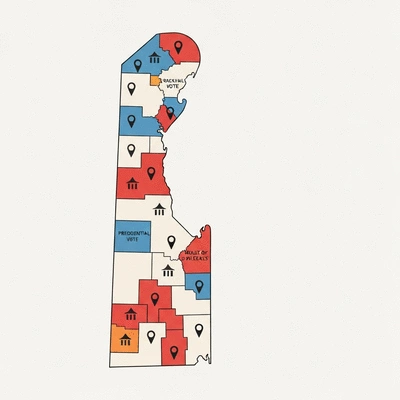
This visual outlines the essential steps and requirements for individuals aspiring to run for political office in Delaware, from initial eligibility to campaign finance compliance.
Are you considering taking the leap into public service? Understanding the basics of running for office in Delaware is your first step! With the right guidance, you can confidently navigate the journey toward becoming a candidate.
At How To Run For Office, we are committed to demystifying the electoral process for aspiring leaders like you. Let’s dive into the key eligibility requirements and the process you’ll need to follow as you prepare to make your mark in Delaware!
Before you can announce your candidacy, it's essential to understand who can run for office in Delaware. Each position has specific eligibility criteria that you need to meet. Here’s a quick overview:
As you can see, being a resident and a registered voter in your district is crucial! These requirements ensure that candidates have a genuine connection to the communities they aim to serve.
In Delaware, the offices available for candidacy include local council members, state legislators, and even positions like the governor. Each has its unique responsibilities and impacts on the community. Understanding these roles can help you align your aspirations with the right position.
Every aspiring candidate must meet certain qualifications, including residency requirements. Generally, you must have lived in Delaware for at least a year before your election. This residency ensures that candidates are familiar with local issues and community needs.
As mentioned earlier, most offices require candidates to be 24 years old. However, some positions, such as those in local governance, may allow younger candidates. Always check the specific requirements for the office you’re interested in! Additionally, make sure you’re registered to vote—this is a non-negotiable step in the process.
Ready to take the plunge? Here’s a step-by-step process to guide you through becoming a candidate in Delaware.
Each step is essential to ensuring that your candidacy is official! It’s important not to skip over these crucial elements.
The first formal step in your candidacy is submitting a declaration. This document declares your intention to run for office and outlines your background and qualifications. Be thorough and honest; transparency is key!
If you plan to run as a member of a political party, you'll need to understand their nomination process. Each party has specific requirements and timelines for nominations, so make sure to connect with your local party representative.
Finally, you must complete the Affidavit of Candidacy, which is a legal document affirming your eligibility and willingness to run. This document must be filed with the appropriate election office, and it’s crucial to follow all procedures meticulously to avoid any issues down the line.
Now that you have a solid understanding of eligibility and the candidate process, let’s explore the key filing requirements and important deadlines you’ll need to keep in mind!
For a comprehensive overview of running for office, check out our state-by-state running for office guide. It’s packed with useful information tailored for aspiring candidates.
As you prepare to file your candidacy, it’s important to understand what this entails. Here’s a breakdown of what to expect:
Each aspect plays a significant role in your campaign's overall success, so be sure to stay organized and informed!
Filing fees are a common requirement for candidates, helping to ensure that only serious contenders enter the race. Be prepared for these costs, as they can vary based on the office you are seeking.
While I won’t provide exact amounts here—these can change—it's essential to check with the official Delaware election authority for the latest information on filing fees and any financial obligations that come with your candidacy.
Deadlines are the heartbeat of any campaign. Missing them could jeopardize your chance to run. Here are some critical deadlines to keep in mind:
Each of these dates is crucial, so make a calendar and set reminders to ensure you stay on track!
If your campaign requires petitions, be aware of the specific dates for gathering signatures and submitting them. This process can often take longer than expected, so give yourself plenty of time.
Being aware of Delaware’s filing deadlines is crucial, as they can vary for different offices. Always confirm with the Delaware Division of Elections' candidate filing page for the exact dates!
Write-in candidates also have specific procedures to follow! If you’re considering this path, familiarize yourself with the rules around obtaining and submitting petitions as an unaffiliated candidate. Understanding these nuances can make your campaign more effective!
Before you dive into the filing process, it's crucial to verify all relevant deadlines and requirements. Missing a key date can jeopardize your campaign. Here are a few steps to ensure you're on track:
As you dive into the world of politics in Delaware, understanding ballot access is crucial for your campaign. This entails knowing the rules around petitions and signature requirements, especially if you're an independent or write-in candidate. Let's break down what you need to know!
In Delaware, ballot access is a significant hurdle that candidates must clear. Here are some key points regarding petitions and signature requirements:
For independent candidates, the process can be a bit more challenging. You’ll need to gather signatures from voters who are not affiliated with any party. This means engaging potential supporters and rallying them around your campaign message!
Independent and write-in candidates face unique conditions for ballot access. To successfully run as an independent, you’ll need to:
It's vital to familiarize yourself with these requirements early on. The last thing you want is to miss a deadline and jeopardize your campaign!
If you're considering running without a party affiliation, it's essential to know the implications. Unaffiliated candidates can often appeal to a broader range of voters, but they also face challenges in getting on the ballot. Here are a few reminders:
Always remember, the Delaware Division of Elections website is an invaluable resource. They provide official guidance on ballot access and signature requirements, ensuring you stay on the right path throughout your campaign.
As you gear up for your campaign, a solid understanding of campaign finance laws in Delaware is essential. Managing your funds responsibly not only helps your campaign but also ensures compliance with legal standards. Let’s explore the basics!
Campaign finance laws dictate how candidates can raise and spend money during their campaigns. Here's what you need to know:
Understanding these laws can help you avoid potential pitfalls. I recommend staying informed by visiting resources like the Delaware Division of Elections for the latest updates on campaign finance regulations!
When running for office, you'll need to complete and submit various forms related to your campaign financing. Here’s a quick rundown:
Staying organized with your paperwork will help streamline your campaign process, allowing you to focus on engaging with your constituents.
It’s crucial to be diligent about your reporting obligations. Failure to adhere can lead to penalties or even disqualification from the election. Here are some important reminders:
By keeping your finances transparent, you’ll build trust with voters. Plus, it shows your commitment to ethical campaigning!
As you embark on your journey to run for office, you might have several questions. Let’s address some common concerns that aspiring candidates often face.
The cost of running for office in Delaware varies significantly depending on the specific office. While filing fees exist, they are just one part of the overall campaign expenses, which can include advertising, travel, and staffing. It's best to consult the Delaware Division of Elections for current filing fee schedules and to understand potential campaign finance regulations.
To get on the ballot in Delaware, you typically need to file a Candidate Declaration and an Affidavit of Candidacy with the appropriate election office. For partisan candidates, this often involves a party nomination process. Independent candidates usually need to collect a specific number of signatures from registered voters in their district. Always check the official guidelines on the Delaware Division of Elections website for detailed requirements and forms.
Yes, independent candidates can run for office in Delaware. However, they must meet specific ballot access requirements, which generally include gathering a certain number of signatures on a petition from registered voters who are not affiliated with a recognized political party. These petitions, along with an Affidavit of Candidacy, must be submitted by designated deadlines.
All official filing deadlines and important dates for elections in Delaware are published by the state's election authority. The most reliable place to verify these dates is the Delaware Division of Elections' official website. It is crucial to check this source regularly, as deadlines can be strict and missing one can disqualify your candidacy.
The petition and signature requirements in Delaware vary based on the office sought and whether you are running as a partisan or independent candidate. Independent candidates, in particular, must collect a specific number of signatures from registered voters not affiliated with a major party. For precise numbers and guidelines, refer to the candidate information provided by the Delaware Division of Elections.
The primary official resource for all candidates in Delaware is the Delaware Division of Elections. Their website offers comprehensive information on eligibility, filing procedures, ballot access, campaign finance laws, deadlines, and forms. They are also the contact point for the State Election Commissioner, who can provide further guidance.
Running for office can feel overwhelming, especially when it comes to deadlines. To stay on track:
Staying informed is key to a successful campaign!
If you are running as an independent or unaffiliated candidate, yes, you typically need to gather signatures. Here's a quick checklist:
Gathering signatures can be a great way to engage with your community and build support for your campaign!
As election day approaches, knowing what to expect is vital. Here are some important aspects:
Being informed about these procedures allows you to guide your supporters effectively, ensuring they can participate in the election!
As you navigate your political journey, having the right resources can make a world of difference. Let’s explore where you can find more information and support.
The Delaware Division of Elections is your go-to source for all official information regarding candidate filing, ballot access, and election procedures. They can provide you with:
Utilizing official resources ensures that you have the most accurate and relevant information as you prepare for your campaign!
If you have specific questions or need clarification, reaching out to the Delaware State Election Commissioner can be helpful. Here are a few tips:
They are there to help you succeed, so take advantage of their expertise!
As you embark on this exciting journey, remember that running for office is both challenging and rewarding. It takes determination, passion, and a willingness to serve your community. I encourage you to pursue your political ambitions with confidence!
Don’t hesitate to leverage all available resources, from local political groups to online forums. Check out this guide on running for political office basics for additional insights. Every step you take brings you closer to making a difference in your community!
Here is a quick recap of the important points discussed in the article:
Jordan L. Hayes is a dedicated advocate for civic engagement and public service. With a background in political science and years of experience working on various campaigns, Jordan is passionate about empowering individuals to take the step into public office. Through clear, accessible guidance, he aims to demystify the electoral process and inspire the next generation of leaders.