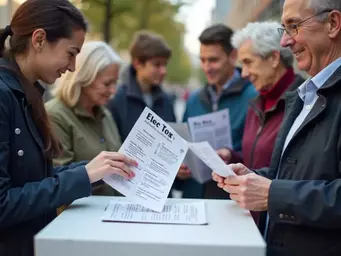
Eligibility Requirements
- U.S. Citizen: Mandatory.
- Age: 18+ (local), 30+ (state), 35+ (federal).
- Residency: NY State & district.
- Voter Registration: Required in NY.
Are you prepared to embark on your journey toward public service? Understanding the path to running for office in New York is crucial for aspiring candidates. The complexities of the process can feel daunting, but with the right information, you can confidently navigate your way through.
This visual outlines the crucial steps and requirements for individuals aspiring to run for office in New York, from initial eligibility to campaign finance compliance.
Are you ready to take the plunge into public service? Understanding the path to running for office in New York can feel overwhelming, but I'm here to simplify it for you! In this section, we’ll explore everything you need to know, starting with the essential eligibility requirements for candidates.
In New York, anyone aspiring to run for public office must meet specific eligibility requirements. Typically, this includes being a registered voter in the state and having resided in New York for a certain period before the election. To clarify, here are the key points:
It's important to check your specific office's requirements, as they can vary. For more information about the roles and responsibilities associated with different offices, feel free to explore our state-by-state running for office guide.
Age and residency requirements are foundational to your candidacy. Generally, candidates must be:
Moreover, your party affiliation can impact your eligibility, especially if you are seeking a primary nomination. If you're considering running as an independent or within a party, understanding these nuances is critical! For more detailed information on specific local requirements, you can visit the NYC Campaign Finance Board candidate portal.
Before you can even think about running, ensure that you are registered to vote in New York. Voter registration is essential as it not only confirms your eligibility but also connects you with your constituency. Remember, being an active voter and engaging with your community is part of your journey to becoming a candidate!
Once you've confirmed your eligibility, the next step is to obtain an Employer Identification Number (EIN) from the IRS. This number is crucial for managing your campaign finances and is required for opening a campaign bank account.
After securing your EIN, it's time to open a dedicated campaign bank account. This account will help you keep your finances organized and ensure transparency in your fundraising efforts. Make sure to choose a bank that understands the needs of political campaigns!
Participating in the New York City Campaign Finance Board (CFB) training is a wise move. This training covers the essential aspects of campaign finance laws and helps you understand your obligations as a candidate. It's an excellent resource to navigate the often complex world of campaign financing! For broader insights into the electoral process, consider exploring resources on understanding elections for new runners.
Finally, you’ll need to register your campaign committee. This ensures that your campaign complies with state laws and maintains transparency in all financial dealings. By registering early, you can focus more on your message and less on compliance issues!
The filing process can seem daunting, but understanding the requirements is key to a smooth launch. Various forms need to be completed, depending on the office you're seeking. This ensures that your candidacy is officially recognized by the state.
Each election cycle has different filing deadlines, so keeping track of these is vital. While I can't provide exact dates here, I recommend checking the New York State Board of Elections website for the most current information.
It's essential to budget for filing fees, which can vary based on the office you are running for. In addition to fees, consider other campaign expenses such as promotional materials and event costs. Planning your budget early can save you headaches later!
When you're ready to officially declare, be prepared to complete an affidavit of candidacy. This document solidifies your intentions and is part of the declaration process. Don’t forget to double-check the requirements for your specific office to ensure everything is in order!
If you plan to run as an independent candidate, you'll need to gather signatures from registered voters. This process can vary greatly depending on the office, so make sure to familiarize yourself with the specific requirements.
Signature requirements are an essential part of getting on the ballot. Independent candidates often need to collect a minimum number of signatures from registered voters in their district. Each office has its own threshold, so check the latest guidelines!
Finally, understanding the overall ballot access requirements is crucial to your campaign's success. Each election cycle might introduce new regulations, so it's vital to stay informed. Regularly checking with the New York State Board of Elections will keep you on the right path. For a deeper dive into how to secure your spot, learn about getting on the ballot.
As you prepare your campaign, always verify your filing deadlines and check the latest ballot access rules. Each election cycle may introduce changes to the requirements, so it’s wise to stay updated. Regularly consulting the New York State Board of Elections can provide the most current information on deadlines and necessary documentation, ensuring that you don’t miss any crucial steps in your campaign journey.
Understanding campaign finance is crucial for aspiring candidates in New York. Not only does it dictate how you can fund your campaign, but it also ensures compliance with regulations set forth by the state’s Campaign Finance Board (CFB). Familiarizing yourself with these rules will help you operate within the legal framework and keep your campaign running smoothly!
As you embark on this journey, remember that adherence to finance laws can significantly impact your campaign's success and transparency. Let's dive into the key components of campaign finance that every candidate should know.
To effectively manage your campaign finances, you must grasp the following essential aspects:
By understanding these components, you can better navigate the intricacies of funding your campaign. Make sure to check out the essential campaign finance laws for a deeper understanding.
If you're considering applying for public matching funds, it's crucial to know the eligibility criteria. Generally, candidates must:
Once you meet these requirements, the application process typically involves filling out forms and submitting documentation to the CFB. Don’t forget, public funds can be a game-changer for your campaign's visibility!
Compliance is key to sustaining your campaign's integrity. You’ll need to:
Failure to comply could result in fines or penalties, so it’s best to keep your records organized and up-to-date!
New York has specific limits on contributions that candidates can accept. For example, individuals can contribute up to a certain amount per election cycle, while different limits apply to political parties and organizations. Always refer to the CFB's official resources to know the latest limits and regulations!
As you navigate the complexities of running for office, here are some frequently asked questions that may help clarify your path:
The cost to run for office in New York varies widely based on the position you're seeking and your campaign strategy. Expenses can include:
It’s wise to create a budget that outlines potential expenses and sources of funding to keep your campaign financially viable!
To get on the ballot, you must meet eligibility requirements, adhere to filing deadlines, and complete specific forms. If running as an independent, you'll also need to successfully complete the petitioning process by collecting the required number of signatures. Always consult the New York State Board of Elections for precise instructions.
Yes, independent candidates can run for office in New York. However, they must follow a specific petitioning process to gather signatures from registered voters to secure a spot on the ballot.
Filing deadlines vary by office and election cycle. You can find the most current and exact filing deadlines on the official New York State Board of Elections website. It's crucial to check this resource regularly for updates.
Petition and signature requirements depend on the specific office and whether you are running as an independent or within a party. These requirements specify a minimum number of valid signatures from registered voters within your district. The New York State Board of Elections website provides detailed information on these thresholds.
Official election authority resources for New York State are primarily found on the New York State Board of Elections website. The NYC Campaign Finance Board also offers valuable resources, especially for those running in New York City.
As you prepare to take the first steps towards running for office in New York, utilizing official resources is essential for guidance. The New York State Election Authority provides comprehensive information on key processes and regulations.
For more detailed information, make sure to check out the following resources:
Additionally, I recommend downloading checklists and forms from these sites to help streamline your campaign preparations.
Checklists are a fantastic way to stay organized! They often cover:
Access these checklists from the appropriate state resources to keep your efforts on track!
Networking with other candidates can provide invaluable insights. Look for local workshops where you can share experiences and gather tips on campaigning effectively!
Finally, don’t hesitate to explore additional resources, such as our guide on running for political office basics. It can provide further clarity on your journey towards becoming a candidate!
Here is a quick recap of the important points discussed in the article:
Jordan L. Hayes is a dedicated advocate for civic engagement and public service. With a background in political science and years of experience working on various campaigns, Jordan is passionate about empowering individuals to take the step into public office. Through clear, accessible guidance, he aims to demystify the electoral process and inspire the next generation of leaders.




![Role of the President: Key Duties in the Executive Branch of Government[4]](https://www.howtorunforoffice.org/img/xYfQ8PCHbf-UL_IMAGErKlbIp-t.webp)