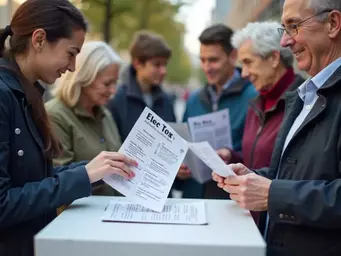
Eligibility Checklist
- ✓ 18+ years old by election day
- ✓ 12+ months Indiana residency
- ✓ Reside in district you represent
- ✓ Registered voter
Are you ready to take the leap into public office? Understanding the intricacies of running for office in Indiana can be a game-changer for aspiring candidates. Here's what you need to know to set yourself up for success!
Embarking on a political campaign involves several critical steps, from understanding eligibility to meeting deadlines and managing finances. This visual guide outlines the essential phases and considerations for aspiring candidates in Indiana.
Thinking about running for office in Indiana? You're making an exciting choice! To navigate this path successfully, it's crucial to understand the requirements that aspiring candidates must meet. Let's break down the eligibility criteria, which will help you determine if you're ready to take the plunge.
Every state has its own rules about who can run for office, and Indiana is no different. Generally, you need to meet certain eligibility criteria to make your candidacy official. Here, we'll cover the main factors that Indiana considers.
These age and residency rules ensure that candidates have a vested interest in their communities. If you're unsure about your eligibility, it's always best to consult with the Indiana Election Division for the most accurate details.
In Indiana, your party affiliation plays a significant role in your candidacy. To run as a party candidate, you typically need to be a registered member of that party. Moreover, having a clear voting history can strengthen your position as a candidate. While it’s not required to have voted in previous elections, a strong connection to your party can enhance your credibility.
Now that we've covered eligibility, let’s explore your options as a candidate. Do you want to run as a member of a political party, or are you leaning towards an independent campaign? Both paths come with unique considerations, and understanding them is essential before you move forward.
Choosing a political party can provide you with vital support and resources during your campaign. However, make sure to align your values with those of the party you choose. If you want to explore more on running for office with specific party insights, check out our state-by-state running for office guide.
Running as an independent candidate can be empowering, allowing you to craft your message without party constraints. However, it also comes with specific challenges, such as gathering signatures to get on the ballot and building recognition without party backing. Understanding these aspects early on can help you plan effectively.
Lastly, consider the option of nonpartisan offices, such as local school boards or certain municipal roles. These positions often allow for a broader appeal since they focus on community needs rather than party politics. Researching these roles can provide an alternative path if you're looking to serve your community while avoiding the political fray.
Ready to dive deeper into the process? Understanding the requirements to run for office is just the first step. Keep pushing forward, and don't hesitate to reach out for guidance as you embark on this exciting journey!
Before submitting your candidacy, it's crucial to verify the filing deadlines and ballot access rules specific to Indiana. Make sure to check the Indiana Election Division website regularly for updates on signature requirements and filing fees. This proactive approach will help ensure that you meet all necessary criteria and keep your campaign on track!
As you prepare to run for office in Indiana, understanding the key deadlines and associated filing fees is crucial to your campaign's success. The 2026 primary election season has specific dates that candidates must adhere to, and being aware of these can help you plan effectively. Let's break down these essential components to keep your candidacy on track!
Timing is everything in the world of politics! The filing deadlines for the upcoming primary election can dictate how you manage your campaign activities. Here are the important dates:
Be sure to mark these dates on your calendar. It's a good idea to prepare your documents well in advance of the final filing date to avoid any last-minute issues!
May 5, 2026, is a pivotal date for candidates. This is the last day to file your declaration of candidacy and any necessary petitions. Missing this deadline could mean waiting for the next election cycle, which can be a frustrating setback. So, stay organized!
Filing fees can vary depending on the office you're pursuing. It's vital to factor these costs into your budget. Typical filing fees for a variety of positions might include:
These fees can change, so I recommend checking with the Indiana Election Division Candidate Information page for the latest information before you file.
In addition to filing fees, think about other costs related to your campaign. Here's what to consider when budgeting:
By planning ahead, you can allocate funds wisely and avoid financial surprises later on. Remember, a well-budgeted campaign can make a significant difference in your effectiveness as a candidate!
Navigating the rules around ballot access and campaign finance can feel overwhelming, but it’s essential for every candidate. Understanding these rules will not only keep you compliant but also enhance your campaign's transparency and credibility.
Ballot access is a critical step in your campaign journey. In Indiana, candidates must follow specific rules to ensure their names appear on the ballot:
If you're running as an independent candidate, you'll need to gather a certain number of signatures to qualify. Here’s a general overview of the petitioning process:
Always double-check the required number of signatures with the Indiana Election Division's candidate information to ensure you meet the requirements.
After submitting your petition, a verification process will take place. This is where election officials check that the signatures are valid. If you're concerned about meeting the signature requirement, consider having a few extra signatures to account for any discrepancies that may arise.
Every candidate needs to understand the essentials of campaign finance. This includes knowing how to report contributions and expenditures accurately. Let’s go through some of the basics!
As part of the filing process, candidates must complete the State of Economic Interests form (CAN-12). This form discloses your financial interests and helps maintain transparency in the electoral process. It’s important to fill this out accurately to avoid potential legal issues down the line.
Indiana has strict rules regarding campaign contributions. Candidates should be aware of the maximum contribution limits set for individuals and organizations. Here are some key points to remember:
Regularly checking your campaign finances ensures you remain compliant and can focus on running your campaign effectively!
If your campaign intends to raise and spend money, you'll need to register a campaign committee. This is essential for managing your finances and ensuring compliance with state laws. To register:
Setting up your committee correctly can streamline your campaign’s operations and help you stay organized.
As a first-time candidate, you’re bound to have questions. Here are some common concerns that aspiring candidates often express:
The cost varies significantly depending on the office. Filing fees range from approximately $100 for a State House seat to $500 for a statewide office. Beyond filing fees, candidates must budget for campaign materials, advertising, and event costs, which can amount to thousands or even tens of thousands of dollars. Always consult the Indiana Election Division candidate guide for precise fee schedules.
To get on the ballot, you must first meet eligibility criteria (age, residency, voter registration). For party candidates, this typically involves filing a declaration of candidacy with the appropriate election authority. Independent candidates must gather a specific number of valid petition signatures from registered voters in their district and submit them by the deadline. The exact process and forms are available through the Indiana Election Division.
Yes, independent candidates can run for office in Indiana. However, they must meet specific requirements, most notably gathering a required number of valid petition signatures from registered voters within their electoral district to qualify for ballot access. These signatures must be submitted by the filing deadline.
For the 2026 primary election, candidate filing starts on January 20, 2026, with the final filing date on May 5, 2026. The primary election itself is on May 7, 2026. These dates are critical and can be verified on the official website of the Indiana Election Division, which is the primary authority for election information in the state.
Independent candidates must collect a specific number of signatures from registered voters to appear on the ballot. The exact number varies by office. It's crucial to gather more signatures than the minimum required to account for any invalid entries during the verification process. Detailed requirements can be found on the Indiana Election Division website under candidate information.
The primary official election authority resource for Indiana is the Indiana Election Division. Their website provides comprehensive information on candidate filing, eligibility, deadlines, campaign finance laws, and other vital resources for aspiring and current candidates. You can also visit their specific Voter Information page for general election details.
Eligibility criteria can vary by office, but generally, candidates must be at least 18 years old, a resident of Indiana for at least one year, and a registered voter. Always check specific requirements for the office you wish to pursue.
Filing to become a candidate involves submitting your declaration of candidacy and any necessary petitions. Don't forget to check the deadlines to ensure your paperwork is submitted on time!
The best place to verify current filing deadlines and requirements is the Indiana Election Division. They provide up-to-date information and can help guide you through the filing process.
For official resources, including forms and guidelines, visit the Indiana Election Division’s website. They have a wealth of information that can assist you in navigating your candidacy!
Here is a quick recap of the important points discussed in the article:
To further prepare for your candidacy, consider reviewing related resources on running for office in your state and understanding the ballot access process.
Jordan L. Hayes is a dedicated advocate for civic engagement and public service. With a background in political science and years of experience working on various campaigns, Jordan is passionate about empowering individuals to take the step into public office. Through clear, accessible guidance, he aims to demystify the electoral process and inspire the next generation of leaders.