Essential Strategies for Beginners
- Define core values & issues
- Create an authentic narrative
- Utilize storytelling techniques
- Leverage digital platforms
- Continuously track engagement
Are you ready to transform your political campaign messaging into a compelling narrative that resonates with voters? Crafting the right message is not just an art; it's a strategic necessity that can define your campaign's success.
The success of a political campaign hinges on clear, authentic messaging. Below are the essential strategies for beginners and the continuous learning required for adaptability.
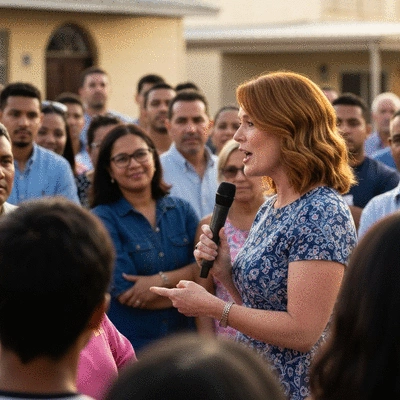
Are you ready to dive into the world of political campaign messaging? It’s an essential aspect of running for office that can significantly impact your success. Political campaign messaging is all about how you communicate your ideas, values, and vision to voters. Crafting a compelling message that resonates with your audience is crucial for engaging them and encouraging support. For a comprehensive guide on developing a campaign strategy, including messaging, consider resources like Harvard Law School's guide to campaign strategy.
Understanding the importance of political campaign messaging is the first step for any aspiring candidate. A strong message helps you stand out in a crowded field and can influence voter perceptions and decisions. It’s not just about what you say; it’s about how you say it and who you are saying it to.
Political campaign messaging involves the strategies and techniques used to convey a campaign's core message. This can include speeches, advertisements, and social media posts, all crafted to present a candidate's vision clearly. Why does this matter? Because a well-defined message acts as a guiding light for all campaign activities, ensuring consistency and clarity.
When candidates articulate their messages effectively, they not only capture attention but also build trust and relatability with voters. In my experience, a strong message can create a connection that goes beyond politics, fostering a sense of community and shared purpose. Further insights into effective political communication can be found through various educational resources on political communication.
Understanding your target audience is vital in crafting effective campaign messaging. Who are the voters you want to reach? Knowing their demographics, interests, and concerns allows you to tailor your message to resonate with them. It’s about speaking their language and addressing issues that matter most to them.
By pinpointing who you're talking to, you can create a message that not only informs but also inspires. This understanding fosters a deeper connection, making your campaign more relatable and impactful. Campaign resources often emphasize the importance of creating effective political campaign messages by focusing on audience understanding.
Voter behavior plays a critical role in shaping how you draft your campaign messages. Understanding why voters make certain decisions can help you refine your messaging strategy. Factors like past voting trends, party affiliation, and current events can significantly influence how voters perceive your campaign.
Ultimately, the goal is to adapt your message to align with the evolving sentiments of voters. As you navigate your campaign, remember that being responsive to voter behavior can enhance the effectiveness of your messaging!
Political campaign messaging involves the strategies and techniques used to communicate a campaign's core message, including speeches, advertisements, and social media posts, to define a candidate's vision and values to voters.
Understanding your target audience—their demographics, interests, and concerns—is vital because it allows you to tailor your message to resonate specifically with them, making your campaign more relatable and impactful.
Voter behavior is critical because understanding why voters make certain decisions helps refine messaging strategies. Factors like past voting trends, party affiliation, and current events can significantly influence how voters perceive a campaign, requiring adaptability in messaging.
Key strategies for beginners include defining core values and issues, creating an authentic narrative, utilizing storytelling techniques, leveraging digital platforms, and continuously tracking engagement to refine the messaging strategy.
In today's fast-paced political environment, continuous learning and adaptation are essential because political messaging is not static. It evolves with voter sentiments and societal shifts, requiring campaigns to regularly review performance, solicit feedback, and stay updated on current events to remain relevant.
As you embark on your campaign journey, we want to know: What messaging strategies do you think will resonate most with your target audience? Share your thoughts below:
As we wrap up our discussion on political campaign messaging, let’s take a moment to revisit some essential strategies that can guide you as a beginner. Understanding the intricacies of messaging is crucial for connecting with voters and effectively communicating your vision. Here’s a quick recap of what we've covered:
These strategies not only help you craft a clear message but also ensure that your campaign stands out in a crowded political landscape. It's vital to remain open to feedback and willing to evolve as you learn from your audience!
For those just starting out, remember that the foundation of your campaign’s success lies in clarity and authenticity. Here are some additional points to keep in mind:
Engagement with your audience will not only refine your message but also build a loyal base that feels heard and valued. The insights gathered during this process are invaluable for shaping your ongoing campaign.
In today’s fast-paced political environment, it’s essential to embrace a mindset of continuous learning. Political messaging is not static; it evolves with voter sentiments and societal shifts. Here’s how you can stay adaptable:
Adaptation is key to maintaining relevance with your audience, and this flexibility can set you apart from your competitors. Remember, every interaction is an opportunity to improve your message and strengthen your campaign!
So you’re ready to take the next steps in your campaign journey? That’s fantastic! Let’s dive into some practical exercises and resources that can help you refine your campaign message and build an effective strategy.
Start with these exercises to clarify your message and enhance your campaign's impact:
These exercises not only help you hone your message but also boost your confidence in presenting it to a larger audience. Remember, practice makes perfect!
At How To Run For Office, we believe in empowering aspiring candidates with the right tools and knowledge. Here are some resources that you might find helpful:
Utilizing these resources will not only enhance your understanding but also elevate your campaign to new heights. Keep learning, stay engaged, and remember—your voice matters in the world of public service!
Here is a quick recap of the important points discussed in the article:
Jordan L. Hayes is a dedicated advocate for civic engagement and public service. With a background in political science and years of experience working on various campaigns, Jordan is passionate about empowering individuals to take the step into public office. Through clear, accessible guidance, he aims to demystify the electoral process and inspire the next generation of leaders.