Running for Office in Mississippi

Are you ready to embark on a transformative journey into public service? It's essential to understand the vital steps and requirements before stepping onto the political stage, especially in Mississippi, where the electoral landscape is rich with opportunities and responsibilities.
What You Will Learn
- Eligibility Criteria: Candidates must be at least 21 years old, a registered voter in their district, and residents of Mississippi for at least two years.
- Filing a Statement of Intent: This is the first step in officially declaring your candidacy and must be submitted to the appropriate election office.
- Understanding Ballot Access: Collect around 1,000 signatures for statewide offices and verify them with your local Circuit Clerk.
- Key Deadlines: Candidate filing begins in January 2026 and ends in March 2026, with primary and general election dates set for August and November respectively.
- Campaign Finance Basics: Be aware of contribution limits and the requirement to file regular finance reports to maintain transparency.
- Official Resources: Refer to the Mississippi Secretary of State for up-to-date information on requirements and deadlines.
Mississippi Candidate Road Map
Navigating the political landscape in Mississippi involves clear steps, from establishing eligibility to understanding crucial deadlines, as outlined in this visual guide.
Eligibility Requirements
- Age: 21+ years old
- Residency: 2 years in MS, 30 days in district
- Voter Status: Registered in district
- Felony: No disqualifying convictions
Candidate Filing Process
- Step 1: File Statement of Intent
- Step 2: Choose Party or Independent path
- Step 3: Pay qualifying fees (vary by office)
- Step 4: Collect signatures (if Independent)
Key Deadlines (2026 Est.)
- Filing Start: January 2026
- Filing End: March 2026
- Primary Election: August 2026
- General Election: November 2026
Campaign Finance Basics
- Limits: Contribution limits apply
- Reporting: Regular finance reports needed
- Funds Use: Only for legitimate campaign expenses
Understanding the Path to Running for Office in Mississippi
Are you ready to take the plunge into public service? Understanding the path to running for office in Mississippi is crucial for potential candidates. Let's explore the eligibility requirements, residency criteria, and the steps involved in the candidate filing process. By arming yourself with knowledge, you’ll set a solid foundation for your campaign journey!
Eligibility Requirements to Become a Candidate
Before you can officially declare your candidacy, it's essential to meet certain eligibility requirements. In Mississippi, these include:
- Age: You must be at least 21 years old.
- Residency: Candidates must be residents of Mississippi for the required duration.
- Voter Status: You must be a registered voter in the district you wish to represent.
- Felony Convictions: Individuals with certain felony convictions may be disqualified unless their voting rights are restored.
Being aware of these requirements can help you determine if you are ready to run for office. It's best to double-check with the Mississippi Secretary of State for the most accurate details!
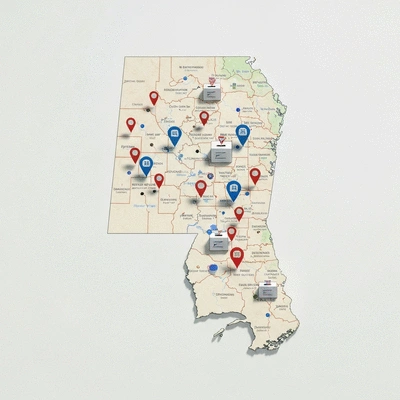
Mississippi Residency Requirements for Candidates
In Mississippi, residency is a key factor in your eligibility to run for office. You need to establish residency in the state for a minimum of two years prior to the election. Additionally, you must reside in the district you plan to represent for at least 30 days before qualifying to run. This ensures that you have a genuine understanding of the community you aim to serve.
- Minimum of two years residency in Mississippi
- At least 30 days in your district prior to the election
Meeting these residency requirements is vital for a successful candidacy. Make sure your local residency aligns with your aspirations!
Step-by-Step Guide to the Candidate Filing Process
Initiating Your Candidacy: Filing a Statement of Intent
The first step to declaring your candidacy is filing a Statement of Intent. This form indicates your desire to run for office and notifies the election officials of your intentions. You'll need to submit this form to the appropriate election office within your district. This is an exciting moment as you officially take the first step towards your campaign!
Choosing Between Political Party and Independent Pathways
As you move forward, you'll need to decide whether to run as a party-affiliated candidate or an independent. This choice affects the filing process:
- Party-Affiliated Candidates: You need to register with a political party and comply with its specific requirements.
- Independent Candidates: This route requires you to gather signatures to qualify, which can be a more complex process.
Understanding the differences between these pathways can clarify your strategy. Both routes have unique advantages, so consider what aligns best with your goals!
Cost Considerations for Running for Office
It's important to understand the financial implications of running for office. In Mississippi, candidates are typically required to pay qualifying fees, which vary by the type of office you are seeking. These fees help cover administrative costs associated with your candidacy.
- Qualifying fees differ based on the office
- Be prepared for additional campaign expenses including materials and fundraising efforts
Keep in mind that these costs can add up quickly. Always budget carefully to ensure you can sustain your campaign efforts!
Resource Links for Candidate Guidance
For more detailed information and resources, I highly recommend checking out the official Candidate Qualifying Guide provided by the Mississippi Secretary of State. This guide offers comprehensive details on all aspects of running for office, ensuring you have the tools you need for a successful campaign.
For a broader understanding of the candidacy process, visit our state-by-state running for office guide which offers insights into running for office in Mississippi and beyond. Don’t hesitate to explore the basics of running for political office to further equip yourself for this journey!
Pro Tip
Before you finalize your candidacy, make sure to verify all filing deadlines and ballot access requirements specific to Mississippi. Check the Mississippi Secretary of State's website regularly for the most current information, as rules can change. Additionally, consider preparing your petition signatures well in advance to ensure you have ample time to collect the necessary support!
Essential Deadlines and Ballot Access Requirements
Understanding Filing Deadlines for 2026 Elections
When planning your campaign, it's crucial to stay informed about the filing deadlines for the 2026 elections in Mississippi. These deadlines can vary based on the type of election, such as special elections or primary elections. To help you navigate this process effectively, here’s a brief timeline of important dates:
- Candidate Filing Start Date: January 2026
- Candidate Filing End Date: March 2026
- Primary Election Date: August 2026
- General Election Date: November 2026
Ensure you check the specific details on the Mississippi Secretary of State's website for the most accurate and up-to-date information on filing deadlines and any pertinent changes that may arise. You can also visit the main Mississippi Elections and Voting website for broader election guidance.
Ballot Access: Petition Signatures and Certification
Securing your spot on the ballot requires meeting certain criteria, primarily focused on gathering petition signatures. In Mississippi, candidates must collect a specific number of signatures from registered voters in their district. Here’s what you need to know:
- Signature Requirements: Typically, you need around 1,000 signatures for statewide offices and fewer for local offices.
- Certification Process: Once signatures are collected, they must be submitted to your local Circuit Clerk for verification. You can find contact information for county election officials on the Mississippi Secretary of State's County Election Information page.
- Submission Deadline: Petitions must be filed by the same date as your candidate filing to ensure ballot access.

For detailed guidelines on collecting signatures, refer to the Petition Circulation Guidelines which can provide you with essential tips and resources.
Campaign Finance and Ethics Basics
Overview of Campaign Finance Rules
Understanding the financial landscape of your campaign is vital. In Mississippi, candidates must adhere to specific campaign finance laws that dictate how funds are raised and spent. Here are the key points to keep in mind:
- Contribution Limits: There are limits on how much individuals can contribute to your campaign, varying by the office sought.
- Reporting Requirements: Candidates must file regular finance reports detailing contributions and expenditures to maintain transparency.
- Use of Funds: Campaign funds should only be used for legitimate campaign-related expenses.
For more detailed information on these requirements, check out the Mississippi Campaign Finance Reporting Requirements.
Addressing Common Candidate Questions
As you prepare to run, you may have several questions about the process. Here are some common concerns I’ve encountered, along with insights to address them:
- Can I run without a party? Yes, you can choose to run as an independent candidate, but be aware of the additional requirements for ballot access.
- How do I verify deadlines? Always refer to the official Mississippi Secretary of State website for the latest updates on deadlines. You can also use the My Election Day portal to look up information.
- What are the signature requirements? Signature requirements vary based on the office you are pursuing; ensure to check the specific numbers for your position.
For a deeper dive into Mississippi's election laws, consider reviewing our guide on understanding the lawmaking process, which can provide valuable context to the legislative roles you might seek.
Frequently Asked Questions About Running for Office in Mississippi
- How much does it cost to run for office in Mississippi?
- The cost to run for office in Mississippi varies depending on the specific office you are seeking. Candidates are typically required to pay qualifying fees, which cover administrative costs. Additionally, you should budget for campaign expenses such as materials, advertising, and fundraising efforts.
- How do I get on the ballot in Mississippi?
- To get on the ballot, you must first meet the eligibility requirements (age, residency, voter status). Then, you'll need to file a Statement of Intent. If running as a party-affiliated candidate, you'll follow your party's specific procedures. Independent candidates must gather a certain number of petition signatures (around 1,000 for statewide offices) and submit them to the local Circuit Clerk for verification by the filing deadline.
- Can independent candidates run for office in Mississippi?
- Yes, independent candidates can run for office in Mississippi. However, they must meet specific requirements, primarily involving the collection of a sufficient number of petition signatures to secure a spot on the ballot. This differs from party-affiliated candidates who follow their party's internal processes.
- Where can I verify filing deadlines and other election information?
- All official filing deadlines, ballot access requirements, and other critical election information for Mississippi can be verified on the Mississippi Secretary of State's Elections and Voting website. It's crucial to check this resource regularly, as rules and dates can change.
- What are the petition/signature requirements for candidates?
- For statewide offices in Mississippi, candidates typically need to collect approximately 1,000 signatures from registered voters. For local offices, the signature requirements may be lower. These signatures must be submitted to your local Circuit Clerk for verification by the candidate filing deadline. Always consult the official Mississippi Secretary of State resources for the exact numbers for your specific office.
- What is the official election authority for Mississippi?
- The official election authority for the state of Mississippi is the Mississippi Secretary of State's Office. Their website provides comprehensive information, forms, and resources for candidates, voters, and election officials.
Conclusion: Taking the Next Steps to Launch Your Campaign
As you embark on this exciting journey to public service, remember that resources are available to guide you along the way. Don't hesitate to explore additional articles that can further enhance your understanding, including running for office in Alabama and the getting on the ballot checklist. Each resource is designed to empower you as you take the next steps in your campaign!
Recap of Key Points
Here is a quick recap of the important points discussed in the article:
- Eligibility Requirements: Candidates must be at least 21 years old, residents of Mississippi, registered voters in their district, and free from certain felony convictions.
- Residency Criteria: Establish a minimum of two years residency in Mississippi and at least 30 days in the district prior to filing.
- Candidate Filing Process: Begin with filing a Statement of Intent and decide between running as a party-affiliated candidate or an independent.
- Deadlines: Important dates include January 2026 for filing start, March 2026 for filing end, and election dates in August and November 2026.
- Ballot Access: Collect the required signatures (approximately 1,000 for statewide offices) and submit them by the candidate filing deadline.
- Financial Considerations: Be aware of qualifying fees and adhere to campaign finance laws regarding contributions and expenditures.
- Official Resources: Verify all information with the Mississippi Secretary of State for the most accurate guidance.
For further insights, explore our articles on state-by-state running for office guide and the getting on the ballot checklist.

Jordan L. Hayes
Jordan L. Hayes is a dedicated advocate for civic engagement and public service. With a background in political science and years of experience working on various campaigns, Jordan is passionate about empowering individuals to take the step into public office. Through clear, accessible guidance, he aims to demystify the electoral process and inspire the next generation of leaders.
Popular Posts
Essential Campaign Finance Laws Explained
![Campaign Finance Laws Every Candidate Must Understand]() Are you prepared to navigate the intricate world of campaign finance laws? Understanding these regulations is not just beneficial; it’s essential for any aspiring candidate aiming for transparency and credibility. Let's dive into the key takeaways that will equip you for your journey in public ser
Are you prepared to navigate the intricate world of campaign finance laws? Understanding these regulations is not just beneficial; it’s essential for any aspiring candidate aiming for transparency and credibility. Let's dive into the key takeaways that will equip you for your journey in public ser
 Are you prepared to navigate the intricate world of campaign finance laws? Understanding these regulations is not just beneficial; it’s essential for any aspiring candidate aiming for transparency and credibility. Let's dive into the key takeaways that will equip you for your journey in public ser
Understanding DOJ Roles and Responsibilities
![Understanding DOJ Roles and Responsibilities]() The Department of Justice (DOJ) serves as a cornerstone of American law and order, ensuring justice and the rule of law are upheld. As we explore its intricate structure and vital functions, you'll gain insights that empower your understanding of civic engagement and public service.
What You Will
The Department of Justice (DOJ) serves as a cornerstone of American law and order, ensuring justice and the rule of law are upheld. As we explore its intricate structure and vital functions, you'll gain insights that empower your understanding of civic engagement and public service.
What You Will
 The Department of Justice (DOJ) serves as a cornerstone of American law and order, ensuring justice and the rule of law are upheld. As we explore its intricate structure and vital functions, you'll gain insights that empower your understanding of civic engagement and public service.
What You Will
The Department of Justice (DOJ) serves as a cornerstone of American law and order, ensuring justice and the rule of law are upheld. As we explore its intricate structure and vital functions, you'll gain insights that empower your understanding of civic engagement and public service.
What You Will
Running for Office in Michigan
![Running for Office in Michigan]() As you embark on your journey to run for office in Michigan, it's crucial to equip yourself with the right knowledge. Understanding the requirements, filing process, and deadlines can pave the way for your successful candidacy. Let's break down the essentials for a smooth start!What You Will LearnEl
As you embark on your journey to run for office in Michigan, it's crucial to equip yourself with the right knowledge. Understanding the requirements, filing process, and deadlines can pave the way for your successful candidacy. Let's break down the essentials for a smooth start!What You Will LearnEl
 As you embark on your journey to run for office in Michigan, it's crucial to equip yourself with the right knowledge. Understanding the requirements, filing process, and deadlines can pave the way for your successful candidacy. Let's break down the essentials for a smooth start!What You Will LearnEl
Political Campaign Messaging for Beginners
![Ultimate Guide to Political Campaign Messaging for Beginners]() Are you ready to transform your political campaign messaging into a compelling narrative that resonates with voters? Crafting the right message is not just an art; it's a strategic necessity that can define your campaign's success. What You Will Learn The importance of defining clear core val
Are you ready to transform your political campaign messaging into a compelling narrative that resonates with voters? Crafting the right message is not just an art; it's a strategic necessity that can define your campaign's success. What You Will Learn The importance of defining clear core val
 Are you ready to transform your political campaign messaging into a compelling narrative that resonates with voters? Crafting the right message is not just an art; it's a strategic necessity that can define your campaign's success. What You Will Learn The importance of defining clear core val
Running for Office in Delaware
![Running for Office in Delaware]() ##Are you ready to take the first step towards public service? The path to running for office can feel daunting, but understanding the requirements and processes in Delaware will empower you to navigate this journey with confidence.What You Will LearnEligibility requirements include being a resident
##Are you ready to take the first step towards public service? The path to running for office can feel daunting, but understanding the requirements and processes in Delaware will empower you to navigate this journey with confidence.What You Will LearnEligibility requirements include being a resident
 ##Are you ready to take the first step towards public service? The path to running for office can feel daunting, but understanding the requirements and processes in Delaware will empower you to navigate this journey with confidence.What You Will LearnEligibility requirements include being a resident
Campaign Messages That Resonate
![Campaign Messages That Resonate]() A compelling campaign slogan does more than just catch the ear; it resonates with the heart. By understanding the essence of effective messaging, candidates can significantly enhance their ability to connect with voters and inspire action. Let's delve into the key insights that can transform your ca
A compelling campaign slogan does more than just catch the ear; it resonates with the heart. By understanding the essence of effective messaging, candidates can significantly enhance their ability to connect with voters and inspire action. Let's delve into the key insights that can transform your ca
 A compelling campaign slogan does more than just catch the ear; it resonates with the heart. By understanding the essence of effective messaging, candidates can significantly enhance their ability to connect with voters and inspire action. Let's delve into the key insights that can transform your ca