Understanding the Department of Interior
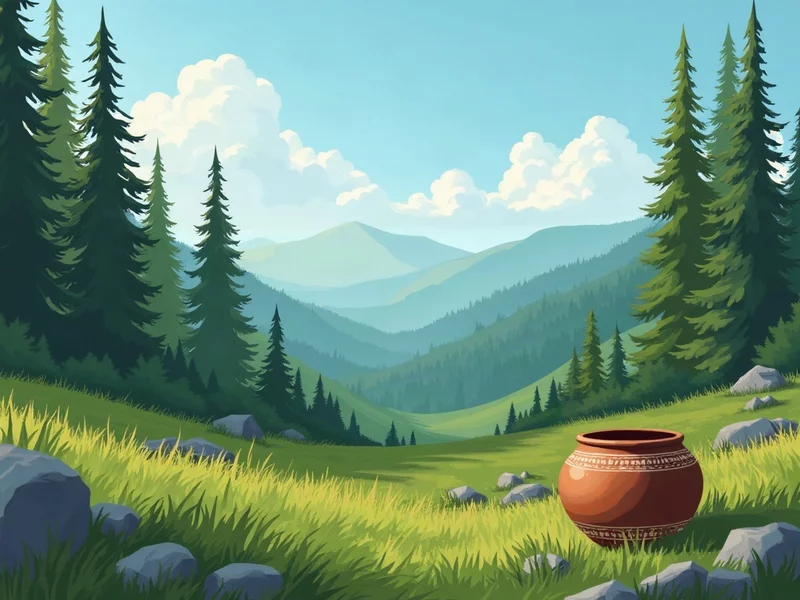
Understanding the workings of the Department of the Interior can empower you to make informed decisions about your community and environment. With various responsibilities ranging from wildlife conservation to public land management, the DOI's impact on daily life is profound and far-reaching. Let's explore what you can learn about this pivotal agency.
What You Will Learn
- The DOI's mission includes conserving natural resources, cultural heritage, and providing outdoor recreation opportunities.
- Key responsibilities of the DOI encompass managing national parks, wildlife, energy resources, and tribal relations.
- Understanding the structure of the DOI and its various bureaus is essential for engaging with federal policies effectively.
- The impact of DOI policies affects everything from public access to natural spaces to resource management and cultural preservation.
Department of the Interior: Mission & Structure Overview
The Department of the Interior (DOI) plays a vital role in managing the nation's natural resources and cultural heritage. Below is an overview of its core mission and organizational structure.
DOI Core Mission & Goals
- ✓ Conserve natural resources
- ✓ Provide outdoor recreation
- ✓ Ensure responsible energy development
- ✓ Maintain healthy ecosystems
- ✓ Foster tribal relations
Key Bureaus & Focus Areas
- ● U.S. Fish & Wildlife Service (FWS)
- ● National Park Service (NPS)
- ● Bureau of Land Management (BLM)
- ● Bureau of Indian Affairs (BIA)
- ● U.S. Geological Survey (USGS)
Understanding the Role of the Department of the Interior
As someone who believes in the power of civic engagement, I find the Department of the Interior (DOI) to be an essential part of our government's framework. Understanding its role helps aspiring candidates like you grasp how federal policies can affect your community and public service initiatives. So, what does the DOI actually do? Let’s dive in!
What Does the Department of the Interior Actually Do?
The DOI plays a crucial role in managing the nation’s natural resources, cultural heritage, and public lands. Its mission is to protect and manage these vital assets for future generations while also ensuring that we maintain a vibrant ecosystem. This means that the DOI is not just about preservation; it’s about responsible use and management too! For more information on the department's overall function, you can visit the official DOI website.
Overview of the Department's Mission and Goals
The mission of the DOI revolves around five key goals:
- Conserving and protecting our nation's natural resources and cultural heritage
- Providing outdoor recreation opportunities for the public
- Ensuring responsible development of energy and mineral resources
- Maintaining healthy ecosystems and sustainable wildlife populations
- Fostering respectful relationships with tribal nations and communities
Each of these goals is driven by a commitment to ethical practices and transparency, which aligns beautifully with our mission at How To Run For Office. It’s all about empowering individuals to make a difference! You can learn more about the Department of the Interior's mission and history on their official "About" page.
Key Responsibilities and Areas of Focus
The DOI oversees several critical areas, including:
- National parks and conservation lands
- Wildlife and habitat management
- Energy resource development
- Indian affairs and tribal relations
- Public land management and regulations
By understanding these responsibilities, you can appreciate how the DOI shapes the landscape of public service in America. As we explore further, keep in mind how these aspects may impact your potential candidacy!
Agency Structure: How the Department is Organized
The DOI is a complex organization with various bureaus and offices, each focusing on particular aspects of its mission. This structure allows it to address a wide range of issues effectively. Knowing how the DOI is organized is vital for anyone looking to engage with or influence this agency!
A Breakdown of Bureaus within the Department of the Interior
The DOI comprises several key bureaus, including:
- U.S. Fish and Wildlife Service (FWS)
- National Park Service (NPS)
- Bureau of Land Management (BLM)
- Bureau of Indian Affairs (BIA)
- U.S. Geological Survey (USGS)
Each bureau has a specific focus, ensuring that the diverse needs of our natural resources and public lands are met.
Roles of Major Bureaus: BLM, NPS, BIA, and More
Let’s take a closer look at some of the major bureaus:
- Bureau of Land Management (BLM): Manages public lands for various uses, including recreation, grazing, and energy development.
- National Park Service (NPS): Preserves and manages national parks and historical sites, ensuring they remain accessible and protected.
- Bureau of Indian Affairs (BIA): Handles affairs related to tribal nations, focusing on trust responsibilities and fostering relationships.
Understanding these roles can help you connect with the right resources and advocate for policies that resonate with your constituents.
Understanding the Bureau of Land Management and Its Impact on Public Lands
The BLM is particularly important as it manages over 247 million acres of public lands across the U.S. This includes a variety of landscapes, from mountains to deserts. The BLM’s policies influence not just land use but also environmental protection and community engagement.
The Role of the National Oceanic and Atmospheric Administration in Resource Management
While the NOAA is technically part of the Department of Commerce, it works closely with the DOI, especially regarding coastal and ocean resources. Their collaboration is crucial in managing fisheries, weather forecasting, and protecting marine environments. For more detailed insights into the DOI's structure and inter-agency coordination, a comprehensive report by Congress provides an excellent overview.
Engage with Your Local Bureau
Are you aware of the direct impact that engaging with your local DOI bureau can have on your community? Connecting with local officials is not just about voicing concerns; it’s an opportunity to collaborate on projects that shape your environment. Consider how your involvement could lead to:
- Tailored Resources: Local bureaus can provide programs and information specific to your community's needs.
- Active Participation: Attending public meetings can empower you to contribute to discussions that matter most to you.
- Educational Opportunities: Many local offices offer workshops that educate citizens about conservation strategies and land management.
Now, think about this: What local issues do you believe should be prioritized by your bureau? Share your thoughts and take the first step toward civic engagement!
Key Takeaways on the Department of the Interior
Understanding the Department of the Interior (DOI) is crucial for every American. It plays a key role in managing our natural resources, public lands, and tribal relationships. With an eye on sustainability and conservation, DOI policies directly affect our daily lives, from the quality of the air we breathe to the recreational opportunities available in our backyards.
To truly appreciate the impact of DOI, consider how their initiatives touch upon various sectors of society. Whether it's through wildlife conservation or land management, the decisions made by this department help shape the environment we live in. This interconnectedness means that being informed about DOI's activities empowers you to participate in the democratic process and advocate for your community’s needs.
Why Understanding DOI is Important for All Americans
The policies enacted by the Department of the Interior have significant implications for individuals and communities across the nation. Here are some key areas where DOI policies intersect with our daily lives:
- Public Access: Ensuring that everyone has the right to access natural spaces and enjoy recreational activities.
- Resource Management: Balancing the need for resource extraction with environmental conservation.
- Cultural Preservation: Protecting historical sites and Indigenous heritage within public lands.
By engaging with DOI initiatives, you can better understand how these areas directly impact your community, making it all the more important to stay informed and active.
The Impact of DOI Policies on Everyday Life
Every decision made at DOI can ripple through our everyday experiences. From the air quality in urban areas to the availability of hiking trails in local parks, these policies shape our interactions with the environment. For instance, conservation efforts can mitigate climate change effects, while public land management can enhance biodiversity.
Moreover, understanding these policies equips you to voice your opinions and concerns. After all, who knows your community better than you? By being proactive, you can influence the direction of policies that matter most to you.
Engaging with Your Local Bureau: Why It Matters
Engaging with your local DOI bureau is not just about understanding policies; it’s about making your voice heard! Here's why it matters:
- Community Impact: Local bureaus can provide resources tailored to your community’s specific needs.
- Opportunities for Participation: Attend public meetings or workshops to share your thoughts on local projects.
- Educational Resources: Local offices often offer programs that educate citizens about conservation and responsible land use.
Connecting with your local bureau can enhance your awareness and involvement, ensuring that your community's interests are represented.
Frequently Asked Questions About the Department of the Interior
What is the primary mission of the Department of the Interior?
The primary mission of the Department of the Interior (DOI) is to conserve and manage the nation's natural resources and cultural heritage, provide outdoor recreation opportunities, ensure responsible energy development, maintain healthy ecosystems, and foster tribal relations.
Which key bureaus are part of the Department of the Interior?
Key bureaus within the DOI include the U.S. Fish and Wildlife Service (FWS), National Park Service (NPS), Bureau of Land Management (BLM), Bureau of Indian Affairs (BIA), and U.S. Geological Survey (USGS).
How does the DOI impact everyday life?
DOI policies impact everyday life through public access to natural spaces, resource management (balancing extraction with conservation), and cultural preservation of historical sites and Indigenous heritage, affecting air quality, recreational opportunities, and biodiversity.
Why is it important for citizens to engage with local DOI bureaus?
Engaging with local DOI bureaus allows citizens to voice concerns, collaborate on community projects, access tailored resources, participate in public meetings, and utilize educational opportunities related to conservation and land management, ensuring local interests are represented.
What types of outdoor recreation opportunities does the DOI manage?
The DOI manages a wide array of outdoor recreation opportunities, including hiking and camping in national parks and forests, wildlife viewing in natural habitats, and water sports such as kayaking, fishing, and boating in designated areas.
Get Involved: Resources for Further Learning and Participation
As an advocate for civic engagement, I believe that understanding the DOI is just the first step. Getting involved can truly make a difference! Here are some resources to help you further your learning and participation:
- Official DOI Website: Access comprehensive information about policies, initiatives, and opportunities available.
- Educational Materials: Downloadable resources that explain various DOI programs and their impacts.
- Local Events: Check for public meetings or community events organized by your local DOI bureau.
By utilizing these resources, you can stay informed, advocate for your community, and actively participate in the preservation of our natural and cultural heritage.
How to Stay Updated on DOI Initiatives and Policies
Staying informed about DOI initiatives is essential for engaged citizenship. Here are a few strategies to keep you in the loop:
- Sign Up for Newsletters: Many local DOI offices offer newsletters that provide updates on initiatives and events.
- Follow on Social Media: Engage with DOI’s social media platforms for real-time updates and community engagement opportunities.
- Attend Community Meetings: Participate in local meetings to discuss current issues and initiatives directly with DOI representatives.
These actions empower you to become a proactive member of your community while helping you stay informed about the ongoing efforts made by the Department.
Exploring Outdoor Recreation Opportunities Managed by DOI
The Department of the Interior manages a wealth of outdoor recreation opportunities that can enrich your life. From national parks to wildlife refuges, there are countless ways to enjoy the great outdoors. Here are some popular activities you might consider:
- Hiking and Camping: Explore the vast landscapes of national parks and forests.
- Wildlife Viewing: Witness the diversity of wildlife in their natural habitats.
- Water Sports: Engage in kayaking, fishing, and boating in designated areas.
By taking advantage of these opportunities, you not only enhance your quality of life but also foster a deeper appreciation for the natural resources managed by the DOI. So grab your gear and get ready to explore!
Recap of Key Points
Here is a quick recap of the important points discussed in the article:
- The Department of the Interior (DOI) manages natural resources, public lands, and tribal relations while promoting sustainability.
- Key goals of the DOI include conservation, responsible resource development, and maintaining healthy ecosystems.
- The DOI consists of several bureaus, such as the BLM and NPS, each focusing on specific areas of public land management.
- Engaging with local DOI offices is crucial for addressing community-specific needs and fostering participation.
- Staying informed about DOI initiatives empowers individuals to advocate for their communities effectively.

Jordan L. Hayes
Jordan L. Hayes is a dedicated advocate for civic engagement and public service. With a background in political science and years of experience working on various campaigns, Jordan is passionate about empowering individuals to take the step into public office. Through clear, accessible guidance, he aims to demystify the electoral process and inspire the next generation of leaders.
Popular Posts
Crafting Your Campaign Narrative Basics
![Crafting Your Campaign Narrative Basics]() What if the key to winning over voters lies in the story you tell? A compelling narrative can not only define your campaign but also connect you deeply with your constituents. Understanding how to craft your campaign story is essential for anyone aspiring to lead.
What You Will Learn
A cam
What if the key to winning over voters lies in the story you tell? A compelling narrative can not only define your campaign but also connect you deeply with your constituents. Understanding how to craft your campaign story is essential for anyone aspiring to lead.
What You Will Learn
A cam
 What if the key to winning over voters lies in the story you tell? A compelling narrative can not only define your campaign but also connect you deeply with your constituents. Understanding how to craft your campaign story is essential for anyone aspiring to lead.
What You Will Learn
A cam
What if the key to winning over voters lies in the story you tell? A compelling narrative can not only define your campaign but also connect you deeply with your constituents. Understanding how to craft your campaign story is essential for anyone aspiring to lead.
What You Will Learn
A cam
Effective SMS Strategies in Politics
![Effective SMS Strategies in Politics]() What if your campaign could reach voters directly and personally, all in the palm of their hands? Political SMS marketing is not just a trend; it's a necessity in today's digital age, and understanding its nuances can transform your outreach efforts.
What You Will Learn
Political SMS marke
What if your campaign could reach voters directly and personally, all in the palm of their hands? Political SMS marketing is not just a trend; it's a necessity in today's digital age, and understanding its nuances can transform your outreach efforts.
What You Will Learn
Political SMS marke
 What if your campaign could reach voters directly and personally, all in the palm of their hands? Political SMS marketing is not just a trend; it's a necessity in today's digital age, and understanding its nuances can transform your outreach efforts.
What You Will Learn
Political SMS marke
What if your campaign could reach voters directly and personally, all in the palm of their hands? Political SMS marketing is not just a trend; it's a necessity in today's digital age, and understanding its nuances can transform your outreach efforts.
What You Will Learn
Political SMS marke
Running for Office in Hawaii
![Running for Office in Hawaii]() As you embark on your journey to run for office in Hawaii, understanding the vital components of the process is essential. From eligibility requirements to navigating ballot access, this guide will equip you with the necessary insights to confidently take your first steps.
What You Will Learn
As you embark on your journey to run for office in Hawaii, understanding the vital components of the process is essential. From eligibility requirements to navigating ballot access, this guide will equip you with the necessary insights to confidently take your first steps.
What You Will Learn
 As you embark on your journey to run for office in Hawaii, understanding the vital components of the process is essential. From eligibility requirements to navigating ballot access, this guide will equip you with the necessary insights to confidently take your first steps.
What You Will Learn
As you embark on your journey to run for office in Hawaii, understanding the vital components of the process is essential. From eligibility requirements to navigating ballot access, this guide will equip you with the necessary insights to confidently take your first steps.
What You Will Learn
Digital Strategies for First-Time Candidates
![Digital Campaign Strategy for First-Time Candidates]() In the competitive arena of political campaigns, an effective digital strategy can be your game-changer. Have you ever wondered how first-time candidates can navigate this complex landscape? With the right tools and insights, you can build a compelling online presence that resonates with voters and
In the competitive arena of political campaigns, an effective digital strategy can be your game-changer. Have you ever wondered how first-time candidates can navigate this complex landscape? With the right tools and insights, you can build a compelling online presence that resonates with voters and
 In the competitive arena of political campaigns, an effective digital strategy can be your game-changer. Have you ever wondered how first-time candidates can navigate this complex landscape? With the right tools and insights, you can build a compelling online presence that resonates with voters and
Running for Office in Nevada
![Running for Office in Nevada]() ##
Are you ready to take the plunge into public service but feel overwhelmed by the steps ahead? Running for office in Nevada can seem daunting, but understanding the process will empower you to make a difference in your community.
What You Will Learn
Eligibility to run for office requires
##
Are you ready to take the plunge into public service but feel overwhelmed by the steps ahead? Running for office in Nevada can seem daunting, but understanding the process will empower you to make a difference in your community.
What You Will Learn
Eligibility to run for office requires
 ##
Are you ready to take the plunge into public service but feel overwhelmed by the steps ahead? Running for office in Nevada can seem daunting, but understanding the process will empower you to make a difference in your community.
What You Will Learn
Eligibility to run for office requires
##
Are you ready to take the plunge into public service but feel overwhelmed by the steps ahead? Running for office in Nevada can seem daunting, but understanding the process will empower you to make a difference in your community.
What You Will Learn
Eligibility to run for office requires
Running for Office in Tennessee
![Running for Office in Tennessee]() As you embark on your journey to public service in Tennessee, understanding the essential steps and requirements can set you on the path to success. Let's break down what you need to know to make your candidacy a reality.What You Will LearnCandidates must be at least 18 years old and a resident of T
As you embark on your journey to public service in Tennessee, understanding the essential steps and requirements can set you on the path to success. Let's break down what you need to know to make your candidacy a reality.What You Will LearnCandidates must be at least 18 years old and a resident of T
 As you embark on your journey to public service in Tennessee, understanding the essential steps and requirements can set you on the path to success. Let's break down what you need to know to make your candidacy a reality.What You Will LearnCandidates must be at least 18 years old and a resident of T