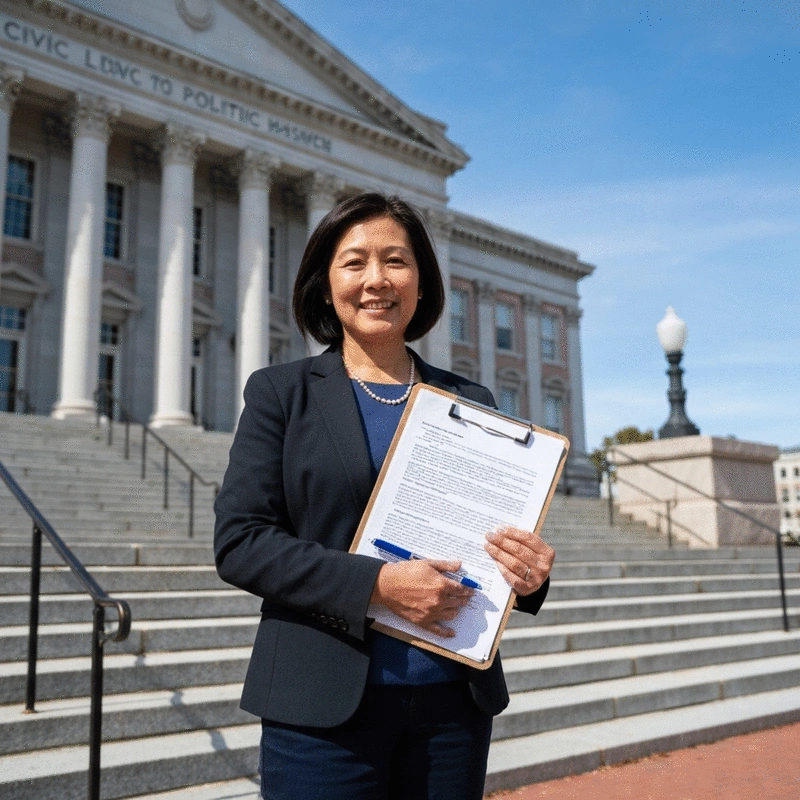
Nomination Paper Process
- Obtain papers from MA Secretary of Commonwealth.
- Collect certified signatures from registered voters.
- File papers accurately and on time.
- Submit Declaration of Candidacy.
Are you ready to take the leap into public service? Understanding the requirements and processes for running for office in Massachusetts is your first step toward making a difference. Let’s dive into the essential information you need to know!
The journey to public office involves distinct steps, from initial eligibility to securing your spot on the ballot.
When considering a run for office, it’s crucial to understand the eligibility requirements specific to Massachusetts. There are fundamental criteria that every candidate must meet, which include age, residency, and voter registration. To qualify, you must be at least 18 years old on or before the date of the election. Additionally, you need to be a resident of the district you wish to represent, ensuring that you have a genuine connection to the community you aim to serve.
Furthermore, you must be a registered voter in Massachusetts. This means that you should have completed the registration process before the deadline, which is typically 20 days before an election. If you haven't registered yet, don’t worry—there’s still time to get everything in order! Being informed about these requirements helps you start your journey with confidence.
It's important to confirm your voter registration status through the Massachusetts Secretary of the Commonwealth's office. This ensures that your application will be processed without any hitches. The path to candidacy can feel overwhelming, but breaking it down into manageable steps makes it much more achievable!
In Massachusetts, the political party you choose to enroll in can significantly impact your candidacy. For those looking to run for office, you’ll typically need to be enrolled in either the Democratic or Republican party to participate in their primaries. However, if you prefer to run as an independent candidate, that's also a viable option! Just remember, you won't be able to vote in party primaries unless you're registered with that party.
Understanding your options can help you align your campaign with your values and the interests of your potential constituents. My experience has shown that selecting the right party affiliation can make a difference in how your campaign is received, so take some time to think about what aligns best with your vision.
The first step in officially declaring your candidacy in Massachusetts is obtaining your nomination papers. You can acquire these from the Massachusetts Secretary of the Commonwealth’s website or their office directly. This paperwork is essential for getting your name on the ballot, so it’s crucial to handle this step with care!
Ensure that you gather all necessary forms and information to complete your nomination papers accurately. This will save you time and effort later in the process. Remember, having a clear understanding of the requirements can make this step smoother.
Once you have your nomination papers, the next step is filing them with the appropriate authorities. This involves collecting a specified number of certified signatures from registered voters in your district, which demonstrates that there is genuine support for your candidacy. It's essential to check the specific requirements for the office you're running for, as these can vary.
Submitting your nomination papers on time is critical. Missing the deadline can mean starting over or even missing the opportunity to run, so stay organized and proactive throughout this process!
The Declaration of Candidacy is a key document that formalizes your intention to run for office. This filing typically occurs alongside your nomination papers and serves as a declaration of your candidacy to the public and election officials. Completing this paperwork accurately is vital, as it signifies your commitment to serving your community.
In my experience, candidates often overlook the importance of this document, but it plays a significant role in your campaign journey. Take the time to understand what is required and ensure you meet all necessary criteria!
For a comprehensive understanding of running for office in Massachusetts, be sure to check out our state-by-state running for office guide. Additionally, if you're still weighing your options, our article on running for political office basics can provide further insights!
Before you submit your nomination papers, double-check the filing deadlines and ballot access rules specific to your office. Each position has unique requirements, and staying informed can save you from costly mistakes. Make sure to visit the Massachusetts Secretary of State's website for the most current information on deadlines and necessary signatures.
When you're ready to run for office in Massachusetts, gathering the right number of signatures on your nomination papers is a crucial step. Each office has different requirements for petition signatures, which can vary significantly. Here’s a handy table to help you understand the required signatures for various offices:
| Office | Required Signatures |
|---|---|
| State Representative | 150 |
| State Senator | 300 |
| Governor | 10,000 |
| Lieutenant Governor | 10,000 |
| Other Statewide Offices | 10,000 |
Be sure to check the current requirements on the Massachusetts Secretary of State's website for any updates. Gathering more signatures than required is always a good idea, as challenges can arise!
Another important aspect to consider when running for office is the filing fees. These fees can vary depending on the office you’re pursuing, and it's essential to budget for them as part of your campaign finances. Here’s a brief overview of potential costs you may encounter:
While some candidates choose to waive filing fees by submitting more signatures than required, it’s best to prepare for these costs upfront. Always verify the latest information regarding fees with the Massachusetts Secretary of State.
Now, let’s talk about fundraising. Understanding campaign finance laws is critical to running a successful campaign. In Massachusetts, candidates must follow specific guidelines set by the Massachusetts Office of Campaign and Political Finance (OCPF). Here’s a quick overview of the basic rules:
For more details on campaign finance regulations, I highly recommend checking out the OCPF website for comprehensive guidelines.
The Massachusetts Secretary of State offers a wealth of resources to aid candidates in their journey. From nomination papers to educational materials, these resources can be invaluable as you navigate the election process. Here are some key resources to check out:
Utilizing these official resources can help ensure you are well-prepared and compliant throughout your campaign journey.
As a new candidate, it can be beneficial to engage with training programs that cover the electoral process, campaign strategies, and effective messaging. Organizations often offer workshops and seminars to equip aspiring leaders with the necessary skills. Here are a few resources to consider:
These resources can provide a strong foundation as you step into the political arena.
As you prepare for your candidacy, you might have some burning questions. Here are a few common inquiries that many first-time candidates ask:
For more FAQs, you can explore resources on the Massachusetts Secretary of State's website.
Now that you've got a handle on navigating ballot access and campaign essentials, it’s time to take action! Start gathering your nomination papers and organizing your campaign strategy. Remember, every great leader started somewhere, and your journey to public service can make a real difference in your community. For more information on running for office, visit our hub at How to Run for Office in Your State.
If you want to dive deeper into campaign strategies, check out our guide on getting on the ballot checklist. Your journey is just beginning—let’s make it count!
Here is a quick recap of the important points discussed in the article:
Jordan L. Hayes is a dedicated advocate for civic engagement and public service. With a background in political science and years of experience working on various campaigns, Jordan is passionate about empowering individuals to take the step into public office. Through clear, accessible guidance, he aims to demystify the electoral process and inspire the next generation of leaders.