Traits of Successful First-Time Candidates

Are you considering stepping into the world of public service? Success as a first-time candidate doesn’t just depend on passion; it requires understanding the key traits that define effective leaders. Let's unpack the insights that can help you navigate your journey towards public office.
What You Will Learn
- Successful first-time candidates excel in communication skills, which are vital for engaging constituents and team members.
- A strong work ethic and reliability are key indicators of professionalism that can be demonstrated through past experiences.
- Adaptability allows candidates to thrive in dynamic environments, adjusting strategies as needed in a fast-paced political landscape.
- Proactive initiative and problem-solving skills set candidates apart, showcasing their capacity to drive success from the outset.
- Building integrity and teamwork fosters a positive workplace culture, essential for any effective candidate.
Key Traits of Successful First-Time Candidates
First-time candidates who excel in public service roles frequently demonstrate a combination of foundational traits. These characteristics are crucial for effective engagement with constituents, team collaboration, and navigating dynamic political environments. Below is a comparison of Green Flags—positive indicators—and Red Flags—potential concerns—to consider when evaluating aspiring leaders.
Green Flags: Positive Indicators
- ✓Strong communication skills and clarity in responses.
- ✓Evidence of teamwork and collaboration in past experiences.
- ✓A proactive approach to problem-solving.
- ✓Demonstrated reliability and punctuality in previous roles.
Red Flags: Potential Concerns
- ✘Poor verbal or written communication skills.
- ✘History of conflicts with colleagues or inability to work in teams.
- ✘Lack of initiative or dependence on others for direction.
- ✘Frequent job changes without logical explanation.
Understanding the Profile of a First-Time Candidate
Are you ready to dive into what makes a successful first-time candidate? It’s crucial to understand the core traits that define individuals who are just stepping into the world of public service and civic engagement. These characteristics not only reflect their potential but also their readiness to make a difference in their communities.
In my experience with How To Run For Office, I've seen that the most successful rookie candidates often share several key traits, such as strong communication, a solid work ethic, and the ability to work well in teams. Let's explore these essential characteristics that can propel new candidates toward success!
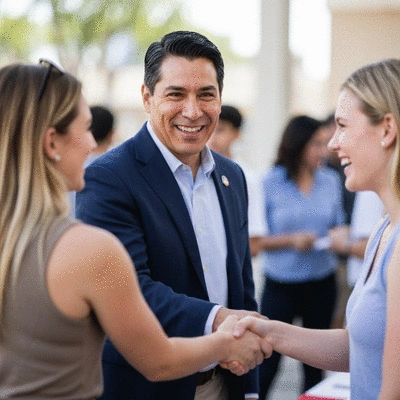
What Constitutes a Successful Rookie?
- Communication Skills: The ability to convey ideas clearly and effectively.
- Work Ethic: A commitment to hard work and integrity.
- Teamwork: Collaboration with others to achieve common goals.
- Adaptability: Flexibility in responding to changing circumstances.
- Initiative: A proactive approach to problem-solving.
These traits form the foundation of a candidate's profile. When candidates embody these qualities, they not only enhance their own chances of success but also contribute positively to their teams and communities. Understanding these traits can help aspiring leaders position themselves effectively in the electoral landscape.
Frequently Asked Questions (FAQs)
What are the most important traits for a first-time candidate?
The most important traits include strong communication skills, a solid work ethic, the ability to work in teams, adaptability to dynamic environments, and a proactive approach to problem-solving (initiative).
How can I demonstrate a strong work ethic as a new candidate?
You can demonstrate a strong work ethic through past experiences such as volunteering, internships, or previous roles where you showed dedication, responsibility, and consistent effort. Providing examples of overcoming challenges can also highlight this trait.
Why is adaptability crucial for first-time candidates in public service?
Adaptability is crucial because the political landscape is fast-paced and unpredictable. Candidates must be able to adjust their strategies, maintain composure under pressure, and navigate unexpected situations effectively to serve their community.
What are "Green Flags" and "Red Flags" in a candidate profile?
"Green Flags" are positive indicators such as strong communication, evidence of teamwork, a proactive approach to problem-solving, and reliability. "Red Flags" are potential concerns like poor communication, a history of conflicts, lack of initiative, or frequent job changes without clear explanations.
How does a well-defined candidate profile help in the hiring process for public office?
A well-defined candidate profile streamlines the hiring process by clarifying specific traits and skills to look for. This helps ensure that teams are built with individuals who complement each other, align with established values, and are more likely to integrate seamlessly and contribute positively.
The Importance of a Candidate Profile in Hiring
A well-defined candidate profile serves as a roadmap for hiring, especially for new roles in public office. It streamlines the hiring process by clarifying what traits to look for, ensuring that teams are built with individuals who complement each other's strengths. By having a clear profile, hiring managers can narrow down candidates who embody the values and skills needed to succeed in their roles.
In startup environments, where team dynamics are crucial, a solid candidate profile can lead to enhanced collaboration and productivity. When candidates align with the established profile, they are more likely to integrate seamlessly and contribute to a positive workplace culture!
Core Traits of Successful First-Time Candidates
Communication Skills: The Foundation of Teamwork
Communication is key in any role, but it becomes even more crucial for first-time candidates. They need to express their ideas clearly to engage with constituents, team members, and stakeholders. Effective communication can be recognized through well-crafted resumes and during interviews, where candidates demonstrate their ability to articulate their vision and goals. For a deeper understanding of what makes a candidate qualified, research on opportunities to govern often highlights the importance of clear and consistent messaging.
For instance, a strong candidate might highlight experiences in community service or public speaking that showcase their communication prowess. This foundational skill not only facilitates collaboration but also builds trust among peers and constituents.
Work Ethic and Reliability: Key Indicators of Professionalism
Reliability and a strong work ethic are essential traits that first-time candidates should display. These qualities can often be assessed through their past experiences, such as volunteering or internships, where they demonstrated dedication and responsibility. During interviews, asking situational questions about overcoming challenges can reveal a candidate's work ethic and reliability.
For example, candidates who take the initiative to follow up on projects or consistently meet deadlines exhibit reliability that is invaluable in a public service role! Understanding how different fields assess professionalism can be gained by examining studies on employee performance evaluation, which often link these traits to overall success.

Adaptability: Thriving in Dynamic Environments
In today's fast-paced political landscape, adaptability is crucial. First-time candidates must be prepared to navigate unpredictable situations and adjust their strategies as needed. Highlighting experiences where they successfully adapted to change can set candidates apart during the hiring process.
Employers appreciate candidates who can pivot quickly and maintain their composure under pressure. This trait can significantly impact a candidate’s ability to thrive in office and serve their community effectively.
Initiative and Problem-Solving: Driving Success from Day One
Successful candidates often demonstrate initiative and problem-solving skills. This means they not only identify issues but actively seek solutions. To evaluate these traits, hiring managers can look for specific examples in candidates' past roles where they successfully tackled challenges. The Office of Personnel Management provides valuable insights into how to identify and hire candidates with these critical skills through direct-hire authority guidelines, which often prioritize proactive problem-solvers.
Encouraging candidates to share stories about times they took the lead on projects or proposed innovative solutions can reveal their potential for driving success from the outset!
Integrity and Teamwork: Building a Strong Workplace Culture
Integrity is the cornerstone of a trustworthy candidate. It fosters a culture of honesty and collaboration within teams. Candidates who can articulate their values and provide examples of teamwork in previous roles often stand out as trustworthy leaders.
By examining how candidates navigated teamwork situations in the past, hiring managers can gauge their commitment to building a strong and ethical workplace culture. Integrity not only influences how candidates will act in their roles but also shapes the overall environment of the office they will serve.
Interactive Poll: Your Thoughts Matter!
As we explore the characteristics of successful first-time candidates, we're curious about your perspective. Which trait do you believe is the most critical for a rookie candidate's success? Share your vote below:
Evaluating First-Time Candidates with Concrete Criteria
When it comes to hiring first-time candidates, having a clear, objective evaluation process is crucial. This not only helps streamline your hiring decisions but also ensures you select individuals who truly fit your team’s needs. By focusing on tangible criteria, we can assess the essential traits that contribute to a successful candidate profile.
In my experience with How To Run For Office, I’ve learned that structured interviews, scorecards, and specific questions can significantly enhance the evaluation process. Let's dive deeper into how to effectively assess candidate traits.
How to Assess Candidate Traits Objectively
Applying a structured framework can make evaluating first-time candidates much more manageable. Here are some effective strategies:
- Structured Interviews: Develop a consistent set of questions that reflect the core traits you are looking for. This ensures all candidates are evaluated on the same criteria.
- Scorecards: Implement scorecards to quantify responses. Assign scores to various traits based on candidate answers, making it easier to compare candidates objectively.
- Behavioral Questions: Use behavioral interview questions to explore how candidates have handled situations in the past. This can provide insights into their work ethic, adaptability, and teamwork.
- Peer Interviews: Involve team members in the interview process to gain different perspectives on the candidate’s potential fit within the team.
These methods can lead to a more holistic understanding of each candidate’s strengths and weaknesses. Remember, the goal is to gather evidence that aligns with the traits you’ve identified as vital for success.
Green Flags vs. Red Flags in Candidate Profiles
Understanding what to look for can make a significant difference in your hiring process. Here’s a quick guide to help you identify positive and negative indicators:
| Green Flags | Red Flags |
|---|---|
| Strong communication skills and clarity in responses | Poor verbal or written communication |
| Evidence of teamwork and collaboration in past experiences | History of conflicts with colleagues or inability to work in teams |
| A proactive approach to problem-solving | Lack of initiative or dependence on others for direction |
| Demonstrated reliability and punctuality in previous roles | Frequent job changes without logical explanation |
This table can serve as a handy reference when reviewing candidate profiles. By focusing on these green flags, you can feel more confident in your hiring decisions, while the red flags can serve as early warnings.
Recap of Key Points
Here is a quick recap of the important points discussed in the article:
- Successful first-time candidates share key traits: strong communication skills, work ethic, teamwork, adaptability, and initiative.
- A well-defined candidate profile streamlines hiring, ensuring candidates align with team strengths and values.
- Structured interviews and scorecards enhance the evaluation process, providing a clear framework for assessing candidates.
- Identifying green flags (strong communication, teamwork) and red flags (poor communication, lack of initiative) is essential in candidate evaluation.

Jordan L. Hayes
Jordan L. Hayes is a dedicated advocate for civic engagement and public service. With a background in political science and years of experience working on various campaigns, Jordan is passionate about empowering individuals to take the step into public office. Through clear, accessible guidance, he aims to demystify the electoral process and inspire the next generation of leaders.
Popular Posts
Digital Strategies for First-Time Candidates
![Digital Campaign Strategy for First-Time Candidates]() In the competitive arena of political campaigns, an effective digital strategy can be your game-changer. Have you ever wondered how first-time candidates can navigate this complex landscape? With the right tools and insights, you can build a compelling online presence that resonates with voters and
In the competitive arena of political campaigns, an effective digital strategy can be your game-changer. Have you ever wondered how first-time candidates can navigate this complex landscape? With the right tools and insights, you can build a compelling online presence that resonates with voters and
 In the competitive arena of political campaigns, an effective digital strategy can be your game-changer. Have you ever wondered how first-time candidates can navigate this complex landscape? With the right tools and insights, you can build a compelling online presence that resonates with voters and
Crafting Your Unique Candidate Story
![Crafting Your Unique Candidate Story]() What if your story could be the key to winning an election? A compelling candidate narrative not only connects with voters but also establishes trust and relatability. Here’s how to craft yours effectively.
What You Will Learn
The importance of a candidate story in establishing emot
What if your story could be the key to winning an election? A compelling candidate narrative not only connects with voters but also establishes trust and relatability. Here’s how to craft yours effectively.
What You Will Learn
The importance of a candidate story in establishing emot
 What if your story could be the key to winning an election? A compelling candidate narrative not only connects with voters but also establishes trust and relatability. Here’s how to craft yours effectively.
What You Will Learn
The importance of a candidate story in establishing emot
What if your story could be the key to winning an election? A compelling candidate narrative not only connects with voters but also establishes trust and relatability. Here’s how to craft yours effectively.
What You Will Learn
The importance of a candidate story in establishing emot
Running for Office in Indiana
![Running for Office in Indiana]() Are you ready to take the leap into public office? Understanding the intricacies of running for office in Indiana can be a game-changer for aspiring candidates. Here's what you need to know to set yourself up for success!
What You Will Learn
Eligibility criteria include being at least 18 years
Are you ready to take the leap into public office? Understanding the intricacies of running for office in Indiana can be a game-changer for aspiring candidates. Here's what you need to know to set yourself up for success!
What You Will Learn
Eligibility criteria include being at least 18 years
 Are you ready to take the leap into public office? Understanding the intricacies of running for office in Indiana can be a game-changer for aspiring candidates. Here's what you need to know to set yourself up for success!
What You Will Learn
Eligibility criteria include being at least 18 years
Are you ready to take the leap into public office? Understanding the intricacies of running for office in Indiana can be a game-changer for aspiring candidates. Here's what you need to know to set yourself up for success!
What You Will Learn
Eligibility criteria include being at least 18 years
Finding Your Core Personal Issues
![Creating a Personal Platform: Identifying Your Core Issues]() What drives you to serve your community? Understanding your personal platform is the first step toward effective public engagement. This essential framework encapsulates your values and core issues, guiding your journey in public service.What You Will LearnEstablishing Your Personal Platform: Learn
What drives you to serve your community? Understanding your personal platform is the first step toward effective public engagement. This essential framework encapsulates your values and core issues, guiding your journey in public service.What You Will LearnEstablishing Your Personal Platform: Learn
 What drives you to serve your community? Understanding your personal platform is the first step toward effective public engagement. This essential framework encapsulates your values and core issues, guiding your journey in public service.What You Will LearnEstablishing Your Personal Platform: Learn
Understanding Education Funding and Aid
![Understanding Education Funding and Aid]() Did you know that understanding how the U.S. Department of Education functions can significantly impact your local schools? By diving into the intricacies of educational funding, you can empower yourself to advocate for better resources and opportunities in your community.
What You Will Learn
Did you know that understanding how the U.S. Department of Education functions can significantly impact your local schools? By diving into the intricacies of educational funding, you can empower yourself to advocate for better resources and opportunities in your community.
What You Will Learn
 Did you know that understanding how the U.S. Department of Education functions can significantly impact your local schools? By diving into the intricacies of educational funding, you can empower yourself to advocate for better resources and opportunities in your community.
What You Will Learn
Did you know that understanding how the U.S. Department of Education functions can significantly impact your local schools? By diving into the intricacies of educational funding, you can empower yourself to advocate for better resources and opportunities in your community.
What You Will Learn
Running for Office in Nebraska
![Running for Office in Nebraska]() Are you ready to step into the arena of public service? Understanding the essentials of running for office in Nebraska can empower you to make a significant impact in your community. With clear guidelines and support, your journey can be both exciting and fulfilling!
What You Will Learn
El
Are you ready to step into the arena of public service? Understanding the essentials of running for office in Nebraska can empower you to make a significant impact in your community. With clear guidelines and support, your journey can be both exciting and fulfilling!
What You Will Learn
El
 Are you ready to step into the arena of public service? Understanding the essentials of running for office in Nebraska can empower you to make a significant impact in your community. With clear guidelines and support, your journey can be both exciting and fulfilling!
What You Will Learn
El
Are you ready to step into the arena of public service? Understanding the essentials of running for office in Nebraska can empower you to make a significant impact in your community. With clear guidelines and support, your journey can be both exciting and fulfilling!
What You Will Learn
El